Flying Fish
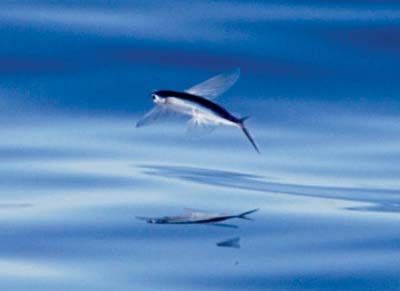
Although often called "flying fish," these animals do not engage in true, powered flight like birds, bats, or insects. Instead, they are specialized gliders.…
How do flying fish compare to other gliding or ‘flying’ marine animals?
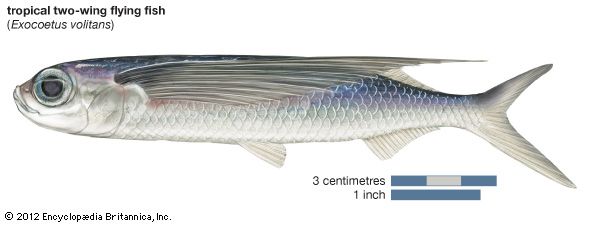
Although often called “flying fish,” these animals do not engage in true, powered flight like birds, bats, or insects. Instead, they are specialized gliders. Their movement is more accurately described as a form of soaring, as they utilize wind against their enlarged, winglike fins to generate lift while remaining airborne.123
Compared to other marine animals that leave the water, flying fish are unique in their sustained gliding ability:
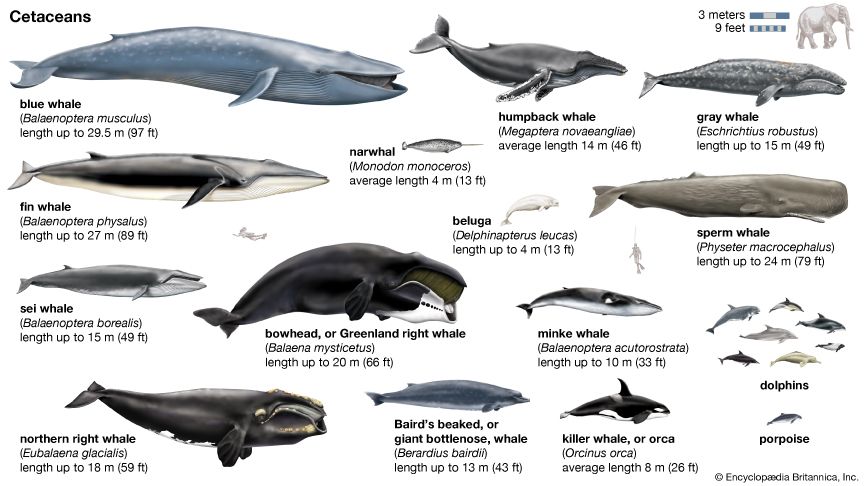
- Mechanism: While many marine animals, such as penguins or cetaceans, can leap out of the water using speed and thrust, flying fish are adapted to extend these leaps into long-distance glides. They build speed underwater, break the surface, and use their pectoral and pelvic fins to catch the wind, sometimes covering hundreds of meters in compound glides.14563
- Comparison to other gliders: Unlike terrestrial gliders (such as flying squirrels or certain lizards) that rely on skin folds to slow a descent, flying fish use their fins to actively enhance their glide ratio and escape predators.12
- Propulsion: Unlike true fliers that flap wings for power, flying fish continue to undulate their tails in the water to provide thrust even after their bodies are airborne, allowing them to initiate multiple glides in succession.13
What are the main predators of flying fish and how does their ability to glide help them escape?
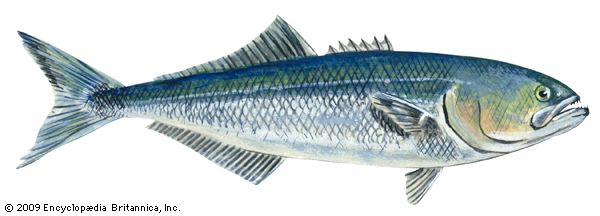
Flying fish have evolved their unique gliding ability primarily as a defensive mechanism to evade aquatic predators. Common threats to these fish include albacore and bluefish, which hunt them in the warm waters of the Atlantic and Pacific Oceans.7
The ability to glide serves as an effective escape strategy through the following process:
- Evasion: When threatened, a flying fish swims toward the surface with its fins folded against its body to maintain a streamlined shape.1
- Launch: Upon breaking the surface, the fish spreads its enlarged, rigid pectoral and pelvic fins to catch the air.71
- Momentum: While airborne, the fish continues to vibrate its tail fin in the water, providing additional thrust that allows it to extend its glide.71
- Distance: By repeatedly dipping its tail back into the water to regain speed, a flying fish can perform compound glides, sometimes covering up to 400 meters (1,300 feet) in a single, sustained escape attempt.1
What is the average size and lifespan of flying fish?
Flying fish are relatively small marine animals, with the various species in the family Exocoetidae reaching a maximum length of approximately 45 cm (18 inches).1
Regarding their lifespan, the provided information does not contain specific data on the average life expectancy of these fish.
How do flying fish actually ‘fly’ and for how long can they stay airborne?
It is a common misconception that flying fish engage in powered flight; in reality, they do not flap their fins but instead perform a form of gliding.
To achieve this, the fish builds significant speed underwater with its fins folded against its body. Upon breaking the surface, it extends its rigid, winglike pectoral and pelvic fins to catch the air. To maintain momentum, the fish keeps its tail submerged and vibrates it rapidly, effectively “taxiing” across the water’s surface to gain additional thrust. Once sufficient speed is reached, the tail is lifted clear, allowing the fish to glide above the waves.71
Regarding their time airborne, these fish can stay in the air for at least 30 seconds, with some compound glides lasting as long as 43 seconds. By repeatedly dipping their tails back into the water to propel themselves forward, they can cover distances of up to 400 meters (1,300 feet) in a single escape attempt.71
Sources
- flying fish — Encyclopædia Britannica
- fish - Locomotion — Encyclopædia Britannica
- Flight — Encyclopædia Britannica
- Locomotion - Soaring — Encyclopædia Britannica
- Locomotion - Tetrapodal vertebrates — Encyclopædia Britannica
- cetacean - Leaping and wave riding — Encyclopædia Britannica
- 14 Questions About Aquatic Animals Answered - Can a fish fly? — Encyclopædia Britannica
Published on · 3 min read