Gan River
The Gan River historically served as a vital transportation artery connecting Guangzhou to the Yangtze River valley and northern China. Until 1840, this…
How has the Gan River influenced the development of transportation in the region?
The Gan River historically served as a vital transportation artery connecting Guangzhou to the Yangtze River valley and northern China. Until 1840, this route was the primary corridor for foreign trade, facilitating the transport of imports to central China and tea exports from the region.1
The route relied on the river’s navigability, though it required a portage between the headwaters of the Gan and the Bei River system in Guangdong. This path eventually superseded the Ling Canal as the preferred route between central and southern China due to its shorter distance.12
The river’s importance for long-distance transport declined significantly after 1937, following the construction of a rail link between Guangzhou and Hankou that bypassed the region. Today, the Gan River remains primarily significant for local transportation, while the Jin River valley continues to function as a key east-west route across northern Jiangxi.1
How does the Gan River contribute to the local economy and agriculture?
The Gan River basin has historically been a cornerstone of regional prosperity, serving as one of China’s most affluent agricultural areas. The river and its many tributaries provide the essential water resources necessary to support the province’s status as a major agricultural producer.1
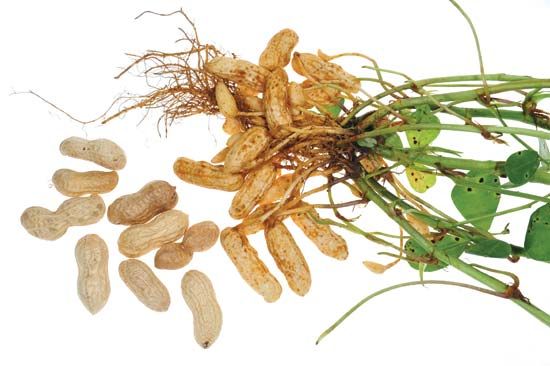
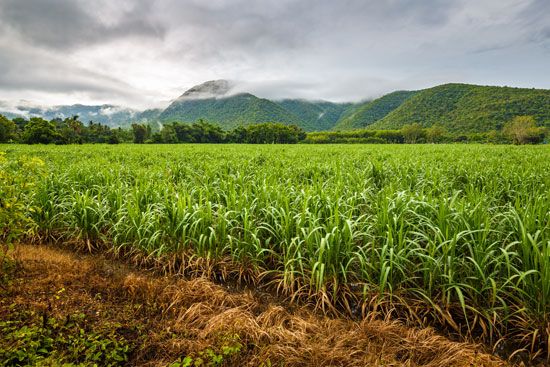
The lower Gan valley is a primary region for rice cultivation, where the use of improved hybrid varieties and consistent irrigation has enabled the production of two crops per year. Beyond rice, the basin supports a wide variety of commercial and food crops, including sugarcane, peanuts, fruits, and tea grown on the surrounding hillsides.1
The river also plays a critical role in the regional economy through:
- Forestry: The Gan River acts as a transport route for timber, which is floated down to major hubs like Nanchang and Jiujiang for distribution across China.1
- Infrastructure: Since 1949, the development of hydroelectric power stations and extensive irrigation projects along the river system has significantly increased the province’s arable land.1
- Aquaculture: The river system supports a robust inland fishing industry, contributing to the region’s leadership in freshwater aquaculture.1
What is the source of the Gan River, and where does it eventually flow into?
The Gan River originates from two primary headwaters in southern China: the Zhang River, which rises in the Dayu Mountains of Guangdong province, and the Gong River, which rises in the Jiulian Mountains in the far south of Jiangxi province.1
These two streams converge near the city of Ganzhou to form the main course of the Gan River. From this confluence, the river flows northward through Jiangxi province until it empties into Lake Poyang, which subsequently drains into the Yangtze River1.
Where is the Gan River located in China, and what are its major tributaries?
The Gan River is located primarily in Jiangxi province, China. It flows northward through the entire province, serving as a major southern tributary of the Yangtze River by way of Lake Poyang.15
The river is formed by the confluence of two headwater streams near the city of Ganzhou:
- Zhang River: Rises in the Dayu Mountains along the border of Guangdong province.1
- Gong River: Rises in the Jiulian Mountains in the southern part of Jiangxi.1
In addition to these headwaters, the Gan River receives several large tributaries from the west and a smaller number from the east. Its most notable major tributary is the Jin River, which flows eastward from the border of Hunan province and joins the main stream above Nanchang.51
Sources
- Gan River — Encyclopædia Britannica
- Ling Canal — Encyclopædia Britannica
- Jiangxi - Agriculture, forestry, and fishing — Encyclopædia Britannica
- Ganges River - Irrigation — Encyclopædia Britannica
- Jiangxi - Drainage — Encyclopædia Britannica
Published on · 3 min read