Rail
Rails are found globally, with the exception of high-latitude regions. As members of the Rallidae family, they are primarily associated with wetland…
Where are rail birds typically found and what kind of habitats do they prefer?
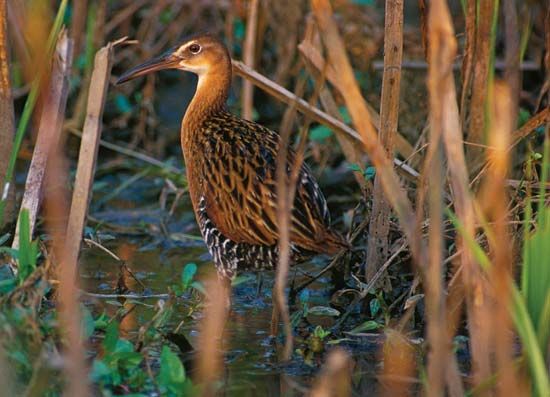
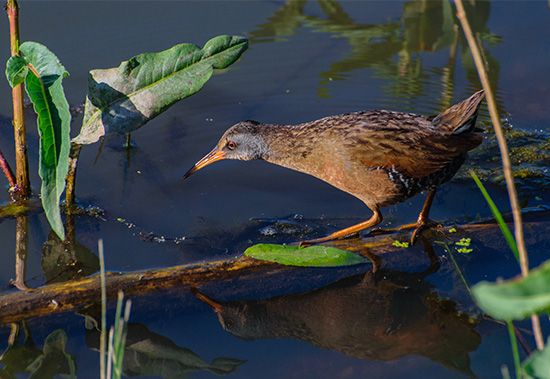
Rails are found globally, with the exception of high-latitude regions. As members of the Rallidae family, they are primarily associated with wetland environments.1
Most rails prefer saltwater or freshwater marshes, where they are known for their secretive nature. They typically hide among reeds and dense vegetation at the water’s edge during the day, using their slender builds to navigate through marsh grasses. While the majority of species favor these marshy habitats, some rails are adapted to live in forests and dense brush. Additionally, several unique, flightless species of rails have evolved to inhabit remote oceanic islands, such as the Inaccessible Island rail found in the South Atlantic.1
How do rail birds communicate and what sounds do they make?
Rails are primarily vocal communicators, relying on their voices to establish and defend territories and to attract mates. Because they are secretive birds that often hide in dense vegetation, their presence is frequently revealed only by their loud, varied, and often nocturnal calls.35
These birds produce a remarkable range of sounds, which vary significantly by species:
- Clapper rail: Emits a loud cackling call.3
- Sora: Produces an explosive whinny.3
- Yellow rail: Makes a sound resembling two small stones being clicked together.3
- Water rail: Squeals like a stuck pig.3
- Corncrake: Creates a rasping sound, similar to a heavy comb being drawn over wood.3
- Gray-necked wood rail: Greets the dawn with a rhythmic “pop-tilly, pop-tilly, pop-tilly, ko-ko-ro-ko-ko”.3
- Buff-spotted crake: Emits a low moaning noise comparable to a tuning fork.3
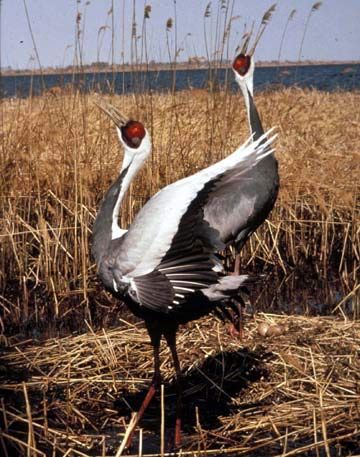
In addition to these vocalizations, rails may use physical courtship displays—such as lowering the head, raising the wings, and fanning the tail—while simultaneously uttering special calls to communicate with potential partners.3
Are there any conservation concerns for rail bird species, and if so, what are they?
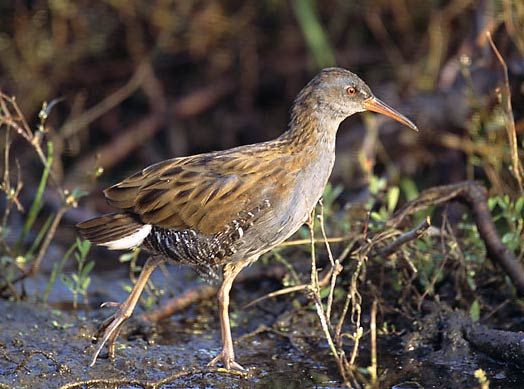
Rail bird species face significant conservation challenges, with many currently listed as vulnerable, endangered, or critically endangered by the International Union for the Conservation of Nature. Since approximately 1600, at least 18 rail species have gone extinct.3
The primary threats to these birds include:
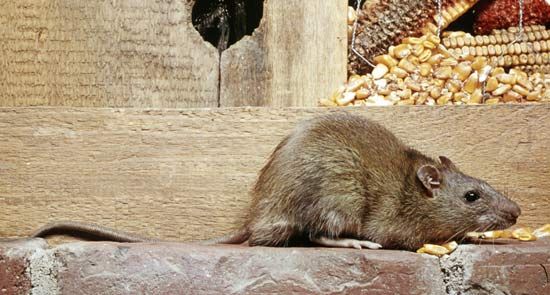
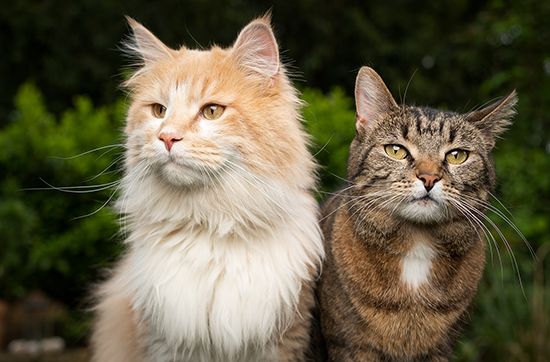
- Introduced Predators: Many rails, particularly flightless species on remote islands, evolved without natural predators. The introduction of animals such as rats, domestic cats, and the brown tree snake has been devastating, as these predators easily kill adults, eggs, and young.367
- Habitat Loss: Rails are highly dependent on wetland environments. Human activities, including land clearing and the introduction of herbivores like pigs and goats, have destroyed the dense vegetation and marshy habitats these birds require for survival.37
- Human Activity: Historically, hunting and the alteration of ecosystems for agriculture have contributed to population declines.87
While some species, such as the Guam rail, have been preserved through captive breeding programs, the overall trend for many gruiform birds remains concerning due to the loss of the specific ecological conditions they require.36
What is the diet of rail birds and how do they forage for food?
Rails are omnivorous birds, though their diet consists primarily of small marsh animals. Their typical food sources include snails, crustaceans, frogs, and various water insects.3
Regarding their foraging behavior, rails are adapted to their dense, marshy environments. While they generally share an omnivorous habit with other members of the Gruiformes order, specific foraging actions vary. For instance, the gray-necked wood rail has been observed probing into ground debris, using its bill to flick material aside to uncover food. This action is similar to the way cranes use their powerful bills to dig into the ground to reach roots and bulbs. Because rails are secretive and prefer to remain hidden among reeds and marsh grasses, they often forage within the cover of dense vegetation.3102
Sources
- Rallidae — Encyclopædia Britannica
- Gruiform - Habitat — Encyclopædia Britannica
- Rail — Encyclopædia Britannica
- Water rail — Encyclopædia Britannica
- Gruiform - Courtship — Encyclopædia Britannica
- Gruiform - Evolution and paleontology — Encyclopædia Britannica
- Philippine eagle: Top Questions — Encyclopædia Britannica
- conservation - Introduced species — Encyclopædia Britannica
- conservation - Pacific island birds — Encyclopædia Britannica
- Gruiform - Food habits — Encyclopædia Britannica
Published on · 3 min read