Garlic
Garlic (Allium sativum) is a perennial plant classified within the Amaryllidaceae family, specifically belonging to the subfamily Allioideae and the genus…
What is the botanical classification of garlic and how does it relate to other plants in its family?
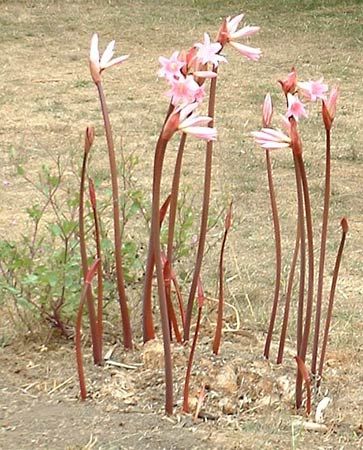
Garlic (Allium sativum) is a perennial plant classified within the Amaryllidaceae family, specifically belonging to the subfamily Allioideae and the genus Allium.123
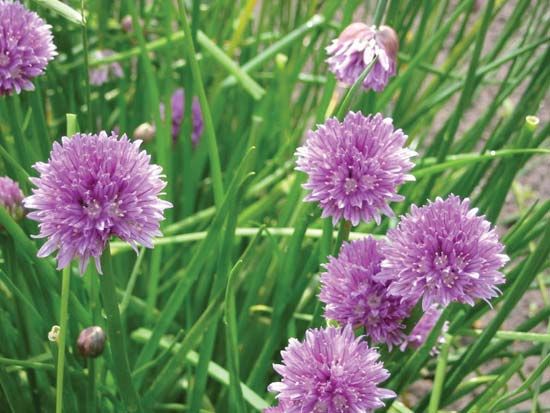
As a member of the genus Allium, garlic shares several key botanical characteristics with other well-known food crops, including the onion, leek, chive, and shallot. These plants are typically bulbous herbs characterized by their pungent, onion- or garlic-like scent, linear leaves, and flowers that feature six petals. Like many of its relatives, garlic grows from a bulb—a structure that serves as a storage organ—and produces flowers in spherical clusters.132
While garlic is closely related to these culinary staples, the subfamily Allioideae also includes various ornamental species, such as those in the genus Tulbaghia, which are grown for their attractive flowers despite often possessing similar aromatic qualities.3
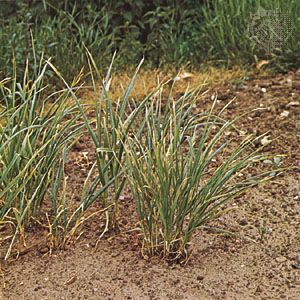
How has garlic been used historically in various cultures for medicinal and culinary purposes?
Historically, garlic (Allium sativum) has been valued across many cultures for both its culinary and medicinal properties. In ancient and medieval times, it was widely prized for its perceived health benefits and was frequently utilized in traditional and folk medicine as a natural antibiotic and insect repellent. Beyond its practical applications, garlic held a significant place in folklore, where it was famously carried as a protective charm against vampires and other preternatural evils—a belief that persists in modern cultural associations.35
In the culinary sphere, garlic has long served as a classic ingredient in many national cuisines due to its pungent taste and powerful aroma. However, its historical usage varied significantly by region. While it is a staple in many contemporary diets, it was only rarely mentioned in the ancient Roman cookbook Apicius, and then only in minuscule quantities, suggesting that the flavor profile of ancient Roman cuisine differed substantially from modern Italian cooking. Today, scientific interest continues to explore the plant’s potential health benefits, including evidence that it may help prevent heart disease3.36
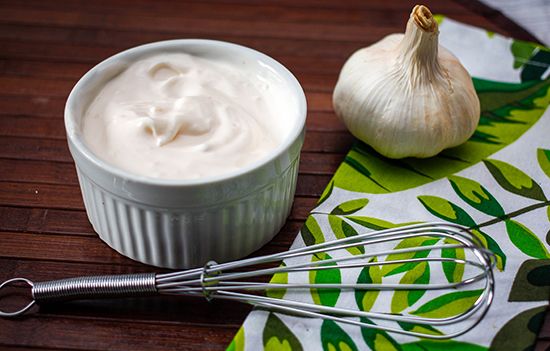
What parts of the garlic plant are edible, and how are they typically used in cooking?
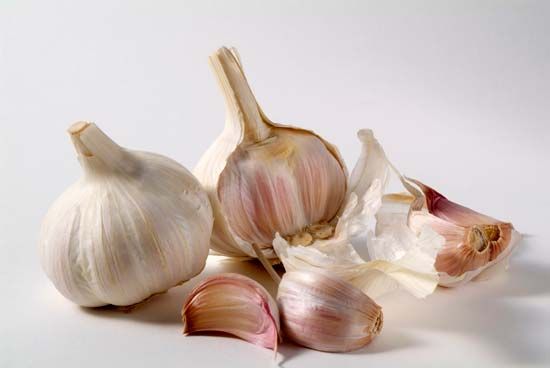
The primary edible part of the garlic plant is the bulb, which is composed of up to 20 individual segments known as cloves. While the bulbs are a classic ingredient in many national cuisines, they are typically cooked rather than eaten raw due to their pungent taste and powerful aroma.3
In addition to the bulbs, the plant’s blossoms are also edible. These garlic flowers are frequently used as a flavorful addition to salads. Furthermore, garlic plants may produce tiny secondary bulbs called bulbils on their flower stalks, which can be used for propagation and are also considered edible.83
What are the main differences between bulbs and rhizomes?
While both bulbs and rhizomes serve as specialized underground storage organs that enable plants to survive unfavorable seasons and propagate asexually, they differ significantly in their botanical structure and growth patterns.
Key Differences
- Structural Composition: A bulb is primarily composed of fleshy, overlapping leaves or leaf bases that store food, attached to a small, basal plate of stem tissue. In contrast, a rhizome is a modified stem in its entirety, often fleshy and elongated, which stores starches and proteins.9101112
- Growth Orientation: Rhizomes are horizontal stems that grow within or upon the soil, often branching out to spread the plant. Bulbs are generally globe-shaped, vertical structures that function as a resting bud.111310
- Propagation: Rhizomes propagate by creeping and producing new shoots and roots from nodes along the stem. Bulbs propagate through the development of buds at their base, which grow into new individuals (bulblets or offsets) as the parent scales disintegrate.9121113
Sources
- allium — Encyclopædia Britannica
- list of plants in the family Amaryllidaceae — Encyclopædia Britannica
- Garlic — Encyclopædia Britannica
- Allioideae — Encyclopædia Britannica
- vampire: Top Questions — Encyclopædia Britannica
- garlic — Merriam-Webster
- cooking - Ancient Rome — Encyclopædia Britannica
- 11 Questions About Useful Plants Answered - Can you eat flowers? — Encyclopædia Britannica
- Asparagales - Storage organs — Encyclopædia Britannica
- Rhizome — Encyclopædia Britannica
- Bulb — Encyclopædia Britannica
- Plant reproductive system - Reproduction by special asexual structures — Encyclopædia Britannica
- horticulture - Vegetative structures — Encyclopædia Britannica
Published on · 3 min read