Leek
The leek (Allium porrum) is a hardy biennial plant grown as a vegetable, known for its mild, sweet, onion-like flavor. It is characterized by long, linear…
What is a leek and which plant family does it belong to?
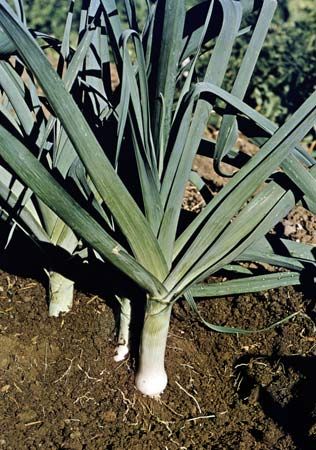
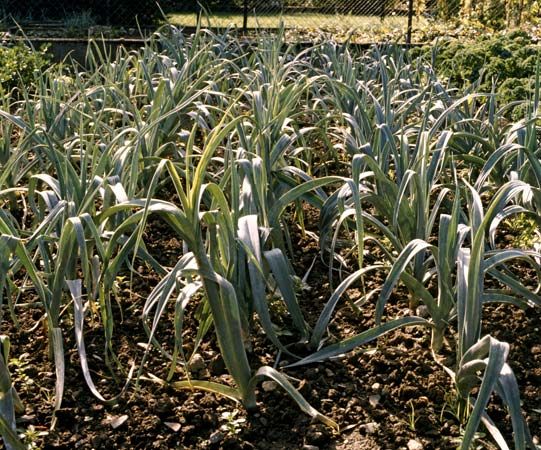
The leek (Allium porrum) is a hardy biennial plant grown as a vegetable, known for its mild, sweet, onion-like flavor. It is characterized by long, linear leaves and a cylindrical, stem-like lower sheath formed by overlapping leaf bases.12
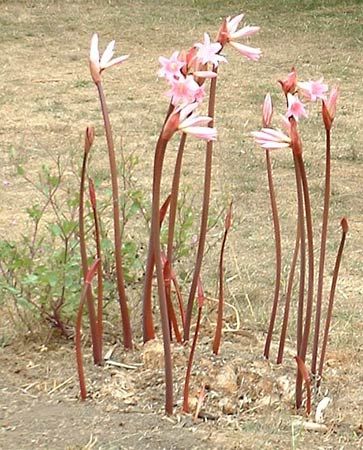
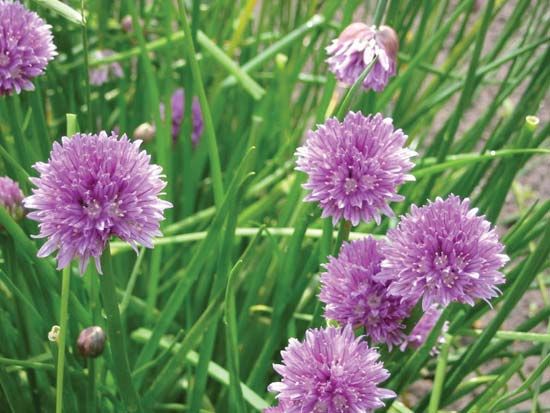
The leek belongs to the amaryllis family (Amaryllidaceae). Within this family, it is classified under the subfamily Allioideae and is a member of the genus Allium, making it a close relative of the onion, garlic, and chive.12345
How are leeks used in different cuisines around the world?
Leeks are a versatile ingredient with a long history of culinary use, particularly in European cooking. They are highly valued for their mild, sweet flavor, which serves as a foundational element in many traditional dishes.
- Soups and Stews: Leeks are widely utilized as a primary component in various European soups and stews. They are frequently paired with potatoes to create classic combinations, such as the well-known vichyssoise or potato-leek soup.1
- Vegetable Preparation: Beyond their role as a base for liquid-based dishes, leeks are often cooked whole and served as a standalone vegetable side dish.1
- Cultural Significance: The vegetable holds deep historical roots, having been spread throughout Europe and the British Isles by the Romans. In Wales, the leek is so culturally significant that it serves as the national emblem, a tradition stemming from an ancient battle where Welsh soldiers wore them as a sign of identification.1
What are some common varieties of leeks and how do they differ?
It is important to clarify that the term “houseleek” refers to a completely different plant than the culinary leek. While the leek (Allium porrum) is a biennial vegetable in the amaryllis family, the houseleek (Sempervivum) is a succulent in the stonecrop family (Crassulaceae) primarily grown for ornamental purposes.16
Regarding the culinary leek, the provided information does not categorize specific commercial varieties or their differences. Instead, it notes that the plant’s appearance—specifically the length and color of the white stalk—is largely determined by cultivation techniques, such as piling soil or mulch around the base to limit chlorophyll production.1
In contrast, the houseleek genus includes several distinct species that differ in appearance and growth habit:
- Common houseleek (S. tectorum): Also known as hen-and-chicks, this species has produced numerous cultivated varieties for gardens.6
- Cobweb houseleek (S. arachnoideum): Distinguished by leaf tips connected by weblike strands.6
- Job’s beard (S. heuffelii): A perennial with rosettes ranging from gray to purple-green.6
- Teneriffe houseleek (S. ciliosum): Noted for its wooly rosettes.6
How did leeks become a national symbol of Wales?
The association of the leek with Wales as a national emblem stems from two primary traditions. Historically, the vegetable became a symbol following an ancient military victory in which Welsh soldiers wore leeks as a distinguishing sign to identify one another in battle.7
Additionally, the leek is deeply linked to St. David, the patron saint of Wales. According to legend, St. David was a strict vegetarian who subsisted primarily on leeks and water, earning him the nickname Dewi Ddyfrwr (David the Water Drinker). Today, the connection remains a vibrant part of Welsh culture; on St. David’s Day, many people commemorate the saint by wearing leeks—or sometimes daffodils—as a traditional symbol of national identity.1
Sources
- Leek — Encyclopædia Britannica
- leek — Merriam-Webster
- Amaryllidaceae — Encyclopædia Britannica
- allium — Encyclopædia Britannica
- Allioideae — Encyclopædia Britannica
- houseleek — Encyclopædia Britannica
- St. David — Encyclopædia Britannica
Published on · 3 min read