Glacial Stage
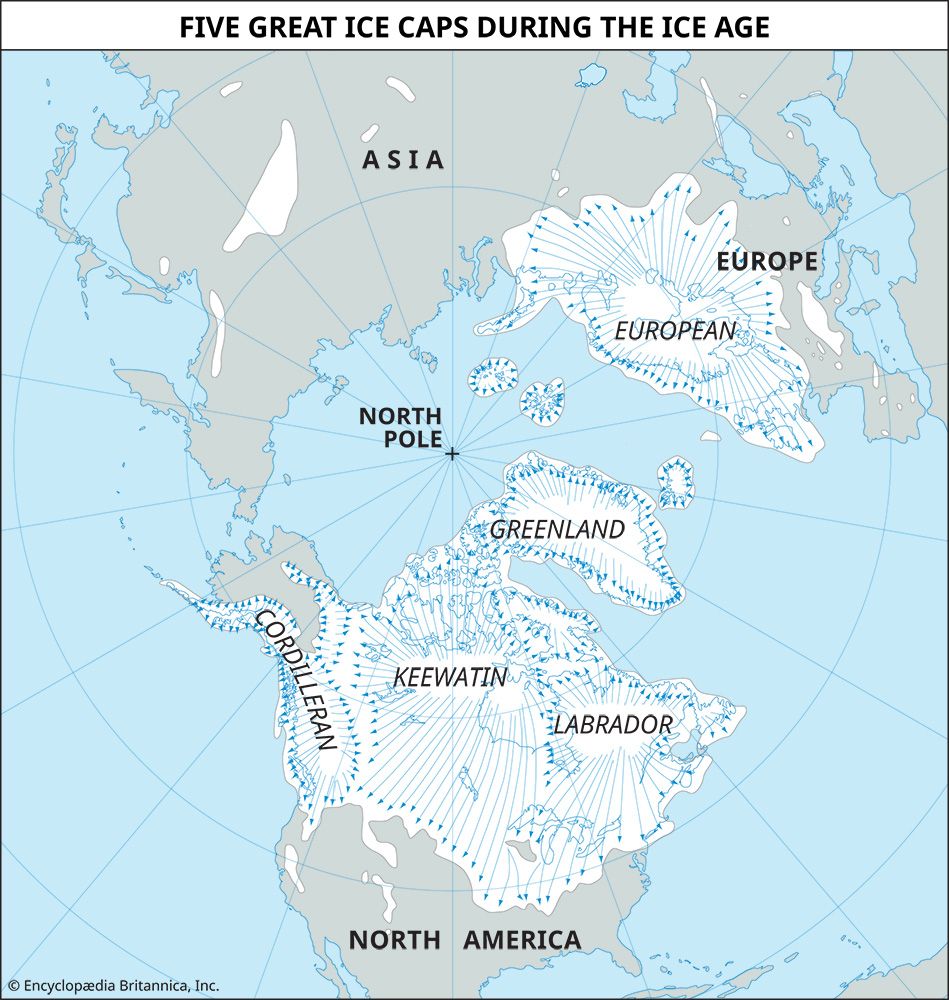
Glacial stages, which are cold periods within an ice age, have profoundly sculpted Earth's surface through processes of erosion and deposition.
What role do glacial stages play in shaping Earth’s landscape?
Glacial stages, which are cold periods within an ice age, have profoundly sculpted Earth’s surface through processes of erosion and deposition.12
Erosional Landforms
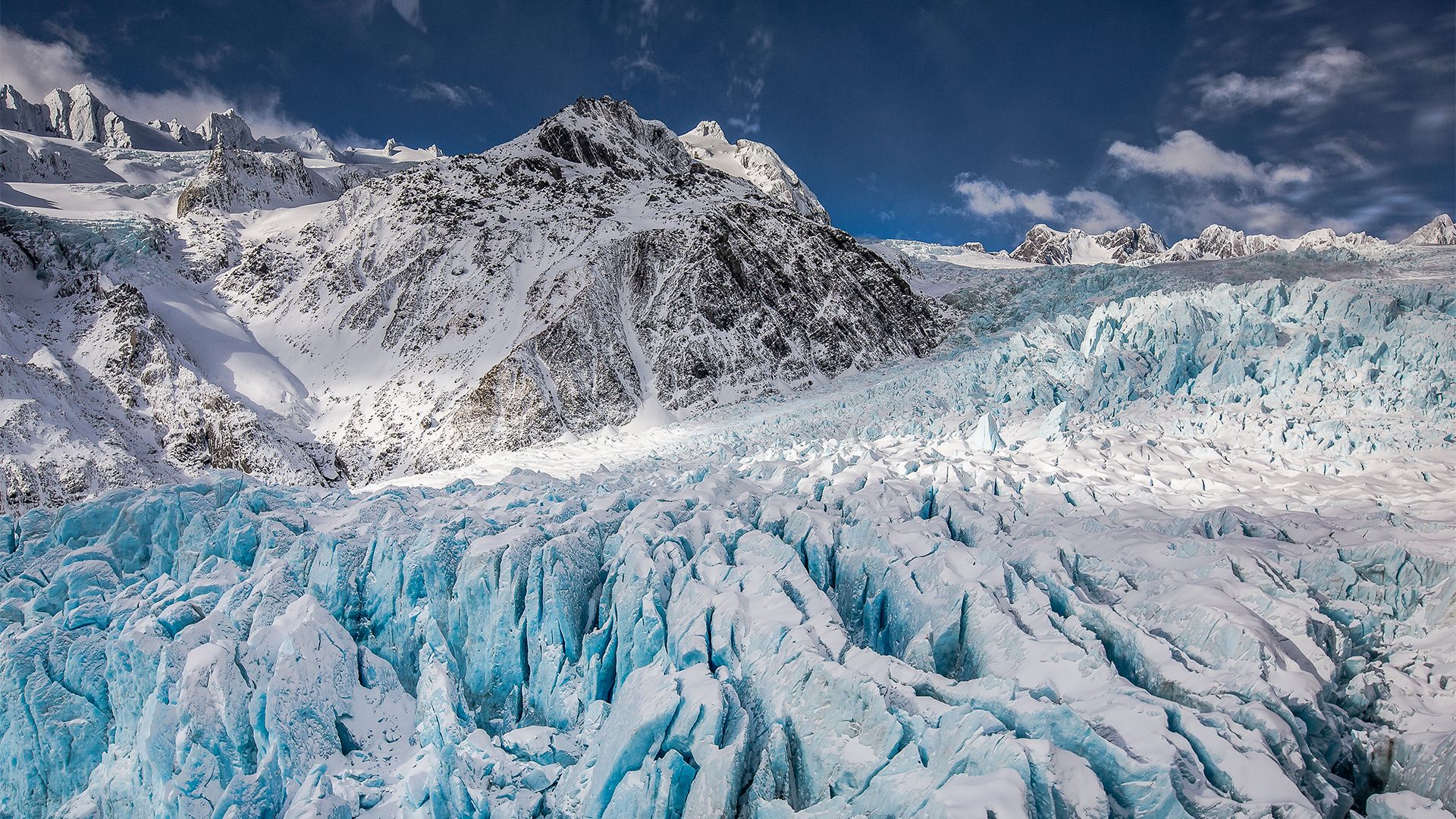
Glaciers act as powerful agents of change, particularly in high mountains where they carve deep, U-shaped glacial valleys and leave behind sharp peaks like the Matterhorn. When these valleys are submerged near the coast, they form fjords. Large-scale erosion also created features such as the Great Lakes and deep troughs on the continental shelf.134
Depositional Features
As glaciers retreat, they leave behind till—a mixture of rock, sand, and clay. This material forms:12
- Moraines: Ridges of debris marking the margins of former ice sheets.1
- Drumlins: Streamlined hills aligned with ice movement.1
- Eskers: Sinuous ridges deposited by meltwater in subglacial tunnels.1
Additionally, the immense weight of ice sheets depresses the Earth’s crust, leading to isostatic rebound once the ice melts, which can elevate ancient shorelines far above current sea levels.14
What is the difference between a glacial stage and an ice age?
An ice age and a glacial stage differ primarily in their scale and duration within geologic time:
- Ice Age: This is a broad, long-term geologic period—often lasting millions of years—during which thick ice sheets cover vast areas of the Earth’s surface. Multiple major ice ages have occurred throughout history, such as those during the Precambrian time and the more recent Pleistocene Epoch.63
- Glacial Stage: This refers to a specific, shorter “cold episode” or period of glacial advance that occurs within an ice age. During these stages, glaciers are much more extensive than they are today. These stages are cyclical, alternating with warmer interglacial stages when the climate is comparable to current conditions.3
Essentially, an ice age is the overarching era of glaciation, while glacial stages are the individual pulses of ice growth and retreat that define the climate fluctuations within that era.3
How do glacial stages impact Earth’s climate and ecosystems?
Glacial stages significantly alter Earth’s climate and ecosystems through complex feedback loops and environmental shifts. During these periods, the expansion of continental ice sheets increases the planet’s albedo, reflecting more sunlight and reinforcing global cooling. This process is amplified by a reduction in atmospheric greenhouse gases, such as carbon dioxide and methane, which reach lower concentrations during glacial phases.8
The impact on ecosystems is profound, as shifting climate zones force the migration of plants and animals. Near ice sheets, temperate forests are often replaced by tundra or cold, dry grasslands known as steppes. These environmental changes lead to “disharmonious” communities, where species that do not typically coexist today are found together, suggesting that glacial climates lacked the seasonal extremes of modern environments.9810
Furthermore, glacial stages cause dramatic drops in sea level as water is sequestered into massive ice sheets. This exposes continental shelves and alters ocean circulation, which in turn influences marine ecology and the distribution of polar and subtropical faunas.811912
How many glacial stages have occurred during the Quaternary Period?
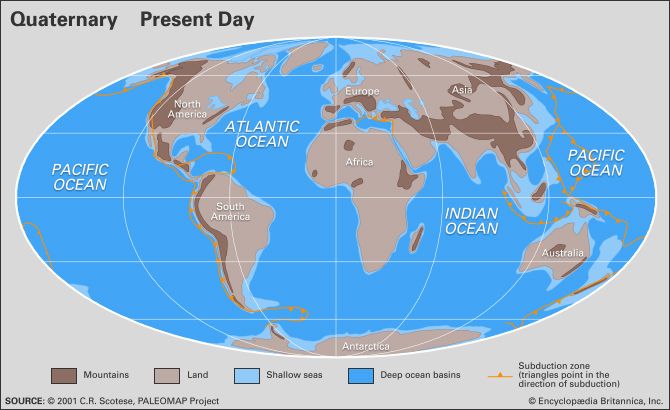
The Quaternary Period, which began approximately 2.6 million years ago, has been characterized by repeated cycles of glaciation and interglaciation. Rather than a fixed number of stages, scientists track these events using the marine oxygen isotope record, which provides a continuous, global history of ice volume.131415
In this record, climatic cycles are assigned numbers, with even numbers representing colder glacial stages and odd numbers representing warmer interglacial stages. For the last 730,000 years alone, the record indicates eight major glacial and interglacial climatic cycles, each lasting approximately 100,000 years.15
Because terrestrial records are often incomplete due to erosion or lack of sedimentation, it is difficult to provide a single, definitive count of every glacial stage that has occurred throughout the entire Quaternary. Instead, researchers rely on the marine isotopic standard to correlate regional glacial episodes—which often carry different names in North America and Europe—into a unified global sequence.153
Sources
- Quaternary - Landforms — Encyclopædia Britannica
- glacial valley — Encyclopædia Britannica
- glacial stage — Encyclopædia Britannica
- glacier - Transformation of snow to ice — Encyclopædia Britannica
- Arctic - Continental ice sheets of the past — Encyclopædia Britannica
- ice age — Encyclopædia Britannica
- Pleistocene Epoch - Cause of the climatic changes and glaciations — Encyclopædia Britannica
- Climate change - Glacial and interglacial cycles of the Pleistocene — Encyclopædia Britannica
- Pleistocene Epoch - Migration of plants and animals — Encyclopædia Britannica
- paleogeography - Agents of paleogeographic change — Encyclopædia Britannica
- paleoceanography — Encyclopædia Britannica
- Quaternary - Glaciation — Encyclopædia Britannica
- A Journey Through Time Since the Precambrian - Quaternary Period: 2.6 million years ago to the present — Encyclopædia Britannica
- Pleistocene Epoch - Marine oxygen isotope record — Encyclopædia Britannica
- Quaternary — Encyclopædia Britannica
Published on · 3 min read