Grand River
The name "Grand River" refers to several distinct geographical features in the United States, rather than a single entity. The most prominent include:
What is Grand River?
The name “Grand River” refers to several distinct geographical features in the United States, rather than a single entity. The most prominent include:
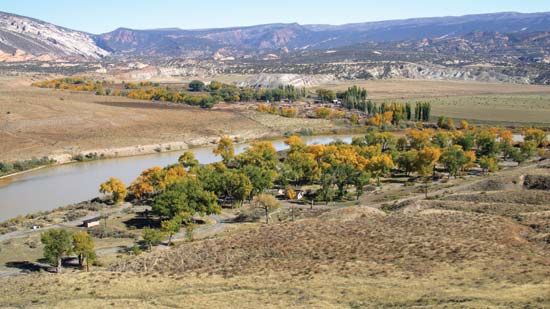
- Iowa and Missouri: A 215-mile-long river that rises in south-central Iowa and flows into Missouri, eventually joining the Missouri River.1
- Michigan: A 260-mile-long river in southwestern Michigan that flows into Lake Michigan. The city of Grand Rapids is situated along its banks.234
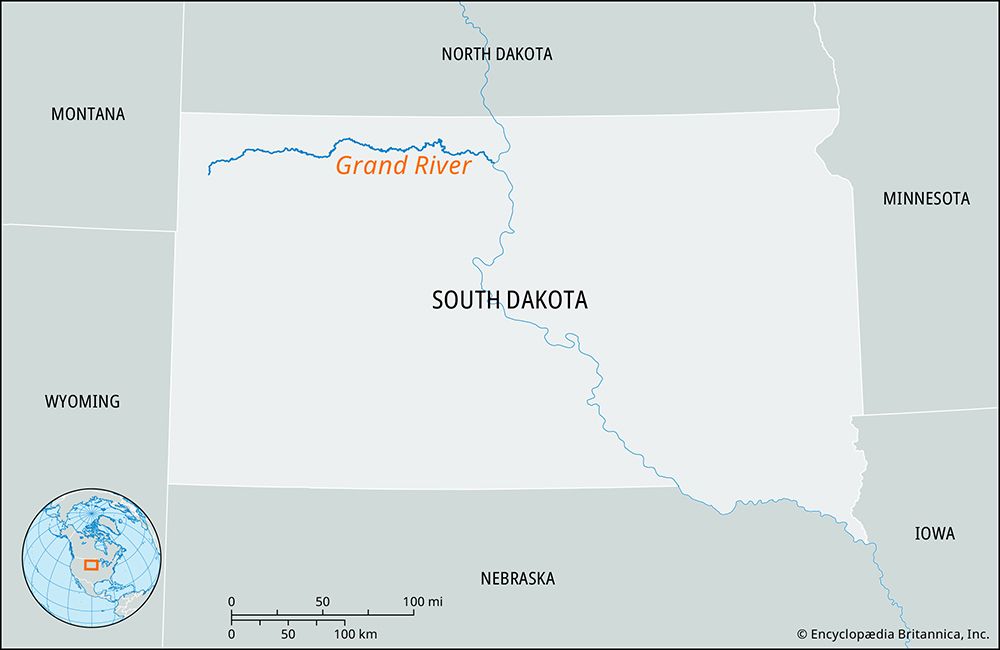
- South Dakota: A 200-mile-long river in northern South Dakota that flows east into the Missouri River.2
- Missouri (Northwestern): A separate 300-mile-long river in northwestern Missouri that flows southeast into the Missouri River.2
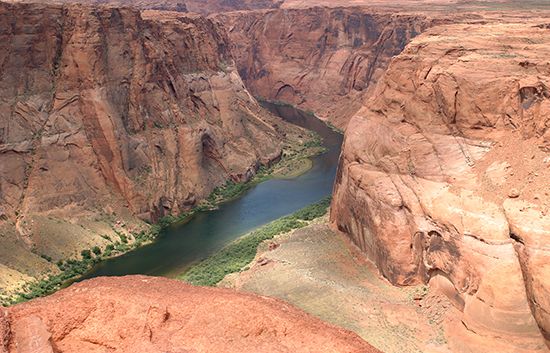
Additionally, the Colorado River was historically referred to as the Grand River from its source to its junction with the Green River.2
Why are so many rivers in North America named Grand River?
The prevalence of the name “Grand River” across North America is not the result of a single naming convention, but rather a reflection of early European exploration and descriptive mapping practices.
Many of these rivers were named by French explorers who frequently used the term “La Grande Rivière” (the big or great river) to denote significant waterways they encountered during their expeditions. Because these explorers often applied descriptive names based on the relative size or importance of a river within a specific region, the name was independently bestowed upon multiple distinct geographical features across the continent.12
Furthermore, the name has sometimes been subject to political or administrative changes. For example, the Colorado River was historically known as the Grand River until 1921, when the United States Congress officially renamed it to align with the state of Colorado, illustrating how regional identity and political influence have shaped the nomenclature of North American geography.6
How do rivers shape the cities built along their banks?
Rivers have fundamentally shaped the development, structure, and survival of cities throughout human history. Their influence is multifaceted, acting as both a catalyst for growth and a constant environmental challenge.
Historical Foundations and Urban Growth
Rivers were the lifeblood of early “hydraulic civilizations,” such as those in the Tigris-Euphrates and Nile valleys. By providing fertile floodplains for agriculture and reliable water for irrigation, rivers allowed populations to produce food surpluses, which in turn enabled the rise of permanent towns and cities. Beyond agriculture, rivers served as the primary corridors for trade, exploration, and communication, dictating the location of major capitals and provincial centers across Europe and North America.8
Engineering and Environmental Modification
To protect these urban centers, cities have historically engaged in massive engineering projects. The construction of levees, spillways, and dams has allowed cities to occupy flood-prone areas, though these structures often isolate the city from the river’s natural setting. This “walling in” of rivers can disrupt delicate hydrology and increase the severity of downstream flooding by preventing the natural storage of water on floodplains.910
Modern Challenges
The relationship between cities and their rivers is increasingly strained by environmental degradation:
- Pollution: Many cities use rivers as conduits for sewage and industrial waste, leading to toxic conditions, oxygen depletion, and the spread of waterborne diseases.1112
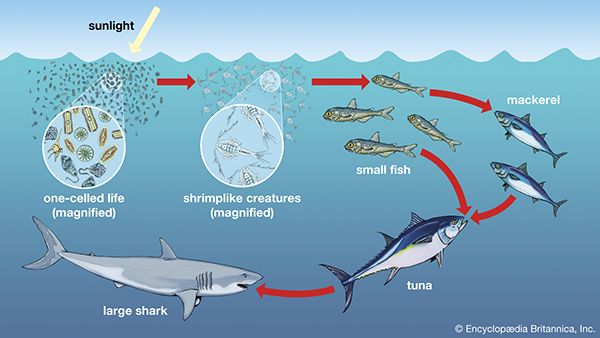
- Industrial Impact: Heated water from power plants and chemical runoff from urban and agricultural areas can destroy local ecosystems and contaminate the food chain.11
- Sustainability: As the long-term health of riverine environments becomes a priority, there is a growing shift toward floodplain management that limits land use in high-risk areas rather than relying solely on engineered barriers.9
What is the difference between a river and a tributary?
The primary difference between a river and a tributary lies in their relationship within a drainage basin.
A river is a large natural stream of water that flows in a channel to the sea, a lake, or another such stream. It serves as a primary passageway for water within a landscape.1314
A tributary is a smaller stream or river that flows into a larger body of water, such as a main trunk river. The term is derived from the historical concept of a smaller state paying tribute to a more powerful one; similarly, a tributary contributes its water to a larger system.151617
Key distinctions include:
- Hierarchy: A river acts as the main channel, while a tributary acts as a feeder or branch that supplies water to that main channel.1517
- Scale: While a tributary is typically smaller than the river it joins, this is not always the case; some tributaries, like the Missouri River, are immense and possess their own network of smaller tributaries.17
- Direction: Tributaries flow into a larger river, whereas a distributary (the opposite of a tributary) is a branch that flows away from the main channel, often found in deltas.1518
Sources
- Grand River — Encyclopædia Britannica
- Grand — Merriam-Webster
- Grand Rapids — Merriam-Webster
- Grand Rapids — Encyclopædia Britannica
- Ottawa River — Encyclopædia Britannica
- North America — Merriam-Webster
- Why are there two Colorado Rivers? — Encyclopædia Britannica
- river - Significance in early human settlements — Encyclopædia Britannica
- river - Environmental problems attendant on river use — Encyclopædia Britannica
- pollution in India - Pollutant buildup in rivers — Encyclopædia Britannica
- Mississippi River - Flood control — Encyclopædia Britannica
- river - Floodplains — Encyclopædia Britannica
- tributary — Merriam-Webster
- river — Merriam-Webster
- drainage basin — Encyclopædia Britannica
- river - Braided channels — Encyclopædia Britannica
- tributaries — Merriam-Webster
- Did you know? — Merriam-Webster
Published on · 4 min read