Great Dismal Swamp
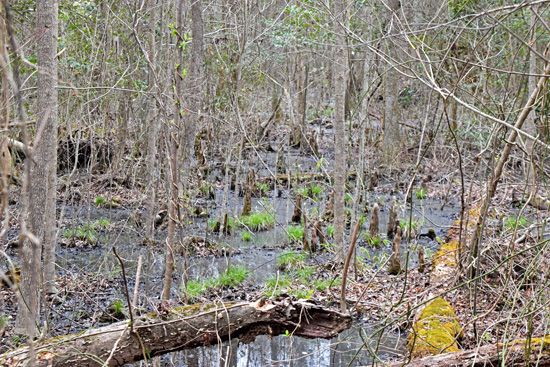
The Great Dismal Swamp is a marshy region situated on the Coastal Plain of the United States. It spans across two states: southeastern Virginia and…
Where is the Great Dismal Swamp located, and what states does it cover?
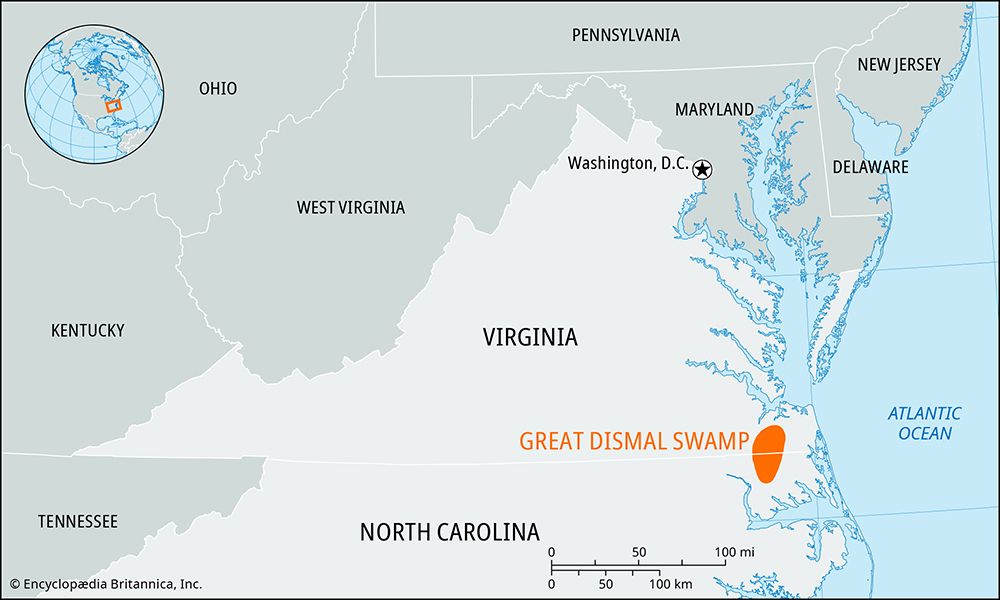
The Great Dismal Swamp is a marshy region situated on the Coastal Plain of the United States. It spans across two states: southeastern Virginia and northeastern North Carolina.1
The area is located between Norfolk, Virginia, and Elizabeth City, North Carolina. Today, the swamp covers approximately 750 square miles (1,940 square km), with a portion of this land protected within the Great Dismal Swamp National Wildlife Refuge.1
How did the Great Dismal Swamp influence the writings of poets and authors?
The Great Dismal Swamp has served as a evocative setting and subject for notable literary works, capturing the imagination of writers through its unique landscape and history.
- Thomas Moore: The Irish poet was inspired by the swamp’s central freshwater feature, Lake Drummond, to write his poem The Lake of the Dismal Swamp.1
- Harriet Beecher Stowe: In 1856, the author of Uncle Tom’s Cabin published the novel Dred: A Tale of the Great Dismal Swamp. In this work, she utilized the swamp as a backdrop to depict the moral and social deterioration of a society built upon the institution of slavery.2
These literary contributions highlight how the region’s dense, mysterious environment has been used to explore themes ranging from romantic folklore to intense social critique.
What role did the Great Dismal Swamp play in American history, particularly for enslaved people?
The Great Dismal Swamp played a significant role in American history as a sanctuary for those seeking freedom from the brutal institution of slavery. From the late 17th century until the end of the U.S. Civil War, thousands of individuals known as maroons escaped their captors and sought refuge within the swamp’s dense, nearly inaccessible wilderness.1
By occupying this remote 750-square-mile region, these runaways lived in relative secrecy, establishing free and independent communities far from the reach of plantation owners. This act of resistance represented a profound assertion of human dignity and a rejection of the dehumanizing conditions of enslavement. While the swamp was also a site of industrial interest—with figures like George Washington surveying it for potential drainage and canalization—its legacy remains deeply tied to the courage of those who braved its harsh environment to secure their own liberty.31
We could dive deeper into the specific challenges these communities faced while living in such a rugged, isolated environment, or perhaps explore the broader history of the Atlantic Intracoastal Waterway that eventually cut through the region.
How has the Great Dismal Swamp National Wildlife Refuge impacted local tourism and education?
The Great Dismal Swamp National Wildlife Refuge, established in 1974, protects approximately 167 square miles of the Great Dismal Swamp. While the refuge serves as a vital conservation area, the provided information does not contain specific details regarding its direct impact on local tourism or educational programs.
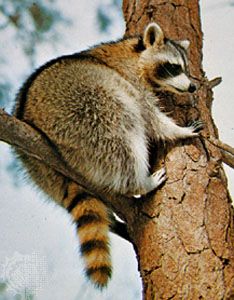
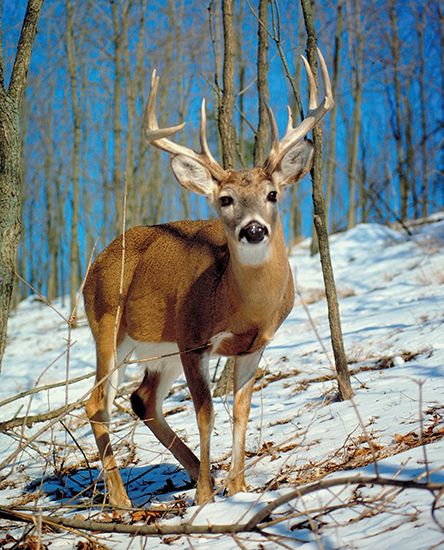
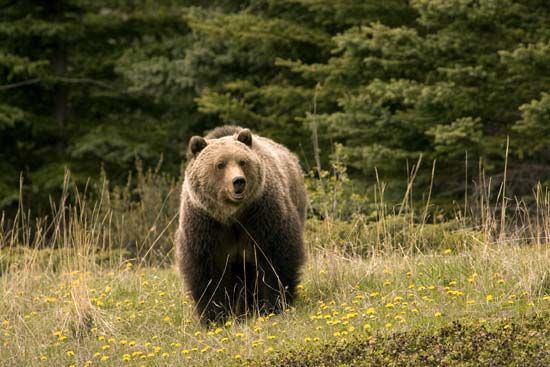
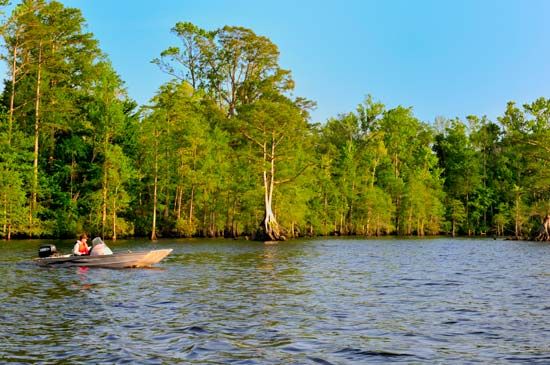
The region is noted for activities such as fishing and hunting, and it remains a significant site for observing wildlife, including deer, bears, raccoons, and various bird species. The area also features the historic Dismal Swamp Canal, which serves as a link in the Atlantic Intracoastal Waterway, and the central Lake Drummond, which has long inspired literary interest.1
Sources
- Great Dismal Swamp — Encyclopædia Britannica
- Harriet Beecher Stowe — Encyclopædia Britannica
- maroon — Merriam-Webster
Published on · 2 min read