Hiwassee River
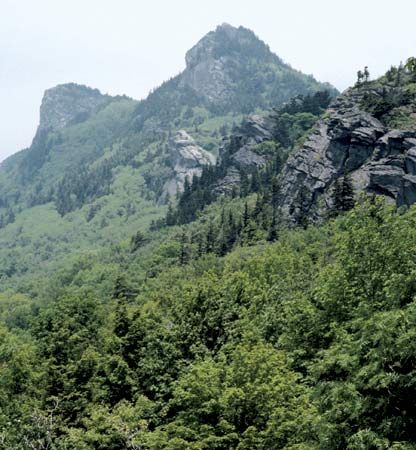
The Hiwassee River is a 132-mile (213-kilometer) long river that originates in the Blue Ridge Mountains of northern Georgia. It flows north through North…
What is Hiwassee River?
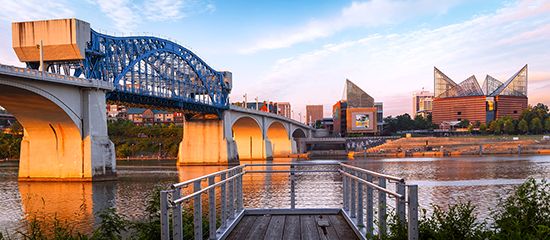
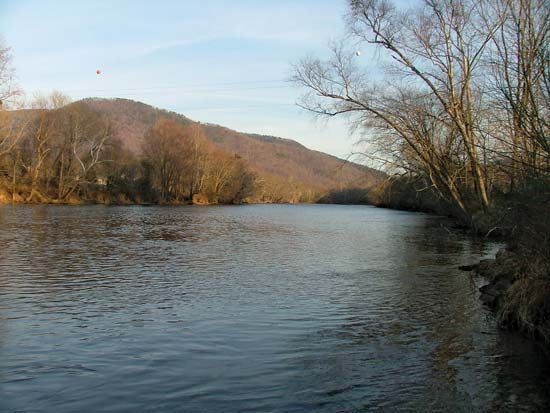
The Hiwassee River is a 132-mile (213-kilometer) long river that originates in the Blue Ridge Mountains of northern Georgia. It flows north through North Carolina and into southeastern Tennessee, where it eventually joins the Tennessee River at the Chickamauga Reservoir, located northeast of Chattanooga.12
The river’s name is believed to be derived from a Cherokee word meaning “meadow”. Its course is managed by the Tennessee Valley Authority (TVA), which operates three major dams on the river: the Chatuge, the Hiwassee, and the Apalachia. Additionally, the river is notable for being a habitat for snail darters, which were transplanted there following an environmental controversy in the 1970s.1
What is the role of the Tennessee Valley Authority in managing regional rivers?
The Tennessee Valley Authority (TVA) was established in 1933 as a public corporation to manage the Tennessee River and its tributaries. Its primary role involves a comprehensive approach to natural-resource planning across a drainage basin spanning seven states.3
Key Responsibilities and Achievements
- Flood Control: The TVA manages its system of dams as a unified network. This strategy has been highly effective, preventing major flood damage along the river since the system’s completion.3
- Navigation: By constructing locks and deepening river channels, the agency transformed the Tennessee River into a major commercial waterway, significantly increasing river traffic.3
- Power Generation: The TVA produces electric power through hydroelectric dams, coal-fired plants, and nuclear power facilities. It serves as the primary power supplier for the region, providing electricity at some of the lowest rates in the nation.3
- Regional Development: Beyond infrastructure, the agency has improved living standards by promoting land conservation, forestry, and public health initiatives, such as the eradication of malaria-carrying mosquitoes near its reservoirs.3
Why was the snail darter controversy significant for environmental protection?
The snail darter controversy of 1978 was a landmark event in environmental law because it highlighted the tension between infrastructure development and the protection of endangered species. The conflict centered on the construction of the Tellico Dam on the Little Tennessee River, which threatened the only known habitat of the rare snail darter (Percina tanasi).45
The legal battle significantly delayed the dam’s construction for two years, demonstrating the power of environmental legislation to halt major federal projects to prevent the extinction of a species. This case underscored the critical importance of habitat preservation, as many darter species face threats due to the loss of their natural environments. The situation was eventually resolved when the fish were successfully transplanted to the Hiwassee River, allowing the project to proceed while attempting to ensure the survival of the species.451
How do dams impact the ecosystems of rivers like the Hiwassee?
Dams significantly alter river ecosystems, including those of the Hiwassee River, by transforming natural flow patterns and physical landscapes to serve human needs like flood control, power generation, and navigation.16
The primary impacts of dams on river ecosystems include:
- Disruption of Migratory Paths: Dams often block or impede the movement of spawning fish. While technologies like fish passes (ladders and locks) are sometimes employed to help fish navigate these structures, they are not always successful, leading to population declines in native species.37
- Sediment Retention: Reservoirs act as traps that hold back much of a river’s sediment load. This prevents natural sediment transport, which can alter downstream habitats and the formation of riverine features.6
- Habitat Inundation: The creation of large reservoirs leads to the flooding of vast areas, which can destroy terrestrial flora and fauna, submerge cultural sites, and force the relocation of human populations.7
- Altered Flow and Water Quality: By regulating water release for hydroelectric power and flood management, dams change the natural seasonal flow of rivers, which can negatively affect the riparian ecosystems that depend on these cycles.167
Sources
- Hiwassee River — Encyclopædia Britannica
- Tennessee River — Encyclopædia Britannica
- Tennessee Valley Authority — Encyclopædia Britannica
- snail darter — Encyclopædia Britannica
- darter — Encyclopædia Britannica
- dam - Fish passes — Encyclopædia Britannica
- river - Environments of deposition — Encyclopædia Britannica
- dam - Rise of environmental and economic concerns — Encyclopædia Britannica
Published on · 3 min read