Snail Darter
The snail darter (Percina tanasi) is a rare species of darter—a small, slender freshwater fish native to eastern North America—originally found only in the…
What is snail darter?
The snail darter (Percina tanasi) is a rare species of darter—a small, slender freshwater fish native to eastern North America—originally found only in the Little Tennessee River in the southeastern United States.123
The fish gained national attention in 1978 due to a significant legal controversy. Its status as an endangered species led to a two-year delay in the construction of the Tellico Dam, which threatened the fish’s restricted habitat. This conflict highlighted the ethical importance of protecting biodiversity and preventing the loss of natural habitats, which remains a primary threat to many rare species. The situation was eventually resolved when the snail darter was successfully introduced into the Hiwassee River.13
What is the Endangered Species Act?
The Endangered Species Act is a landmark U.S. federal law enacted in 1973 that mandates the protection of species threatened with extinction within the United States and its territories.4
The legislation is ethically grounded in the responsibility to preserve biodiversity and prevent the permanent loss of life forms. It empowers the U.S. Fish and Wildlife Service and the National Oceanic and Atmospheric Administration to manage habitats and designate species as endangered or threatened. The act prohibits the unauthorized harvest, trade, or transport of these organisms and provides for civil and criminal penalties for violations.4
Key features of the act include:
- Critical Habitat Protection: It mandates the preservation of areas essential for a species’ survival.4
- Broad Definitions: Protection extends to subspecies and distinct population segments.4
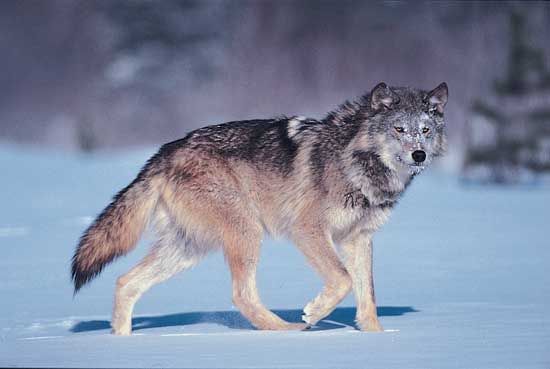
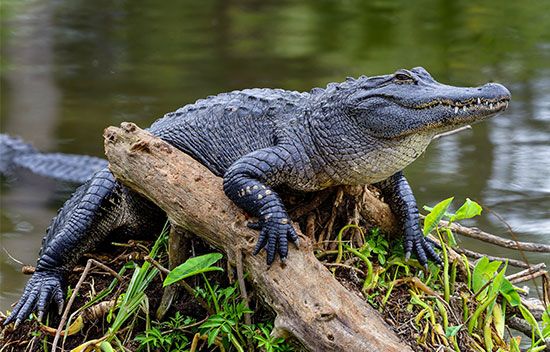
- Recovery Success: The law has been instrumental in the recovery of iconic species, including the bald eagle, the American alligator, and the gray wolf.4
How do dams impact river ecosystems?
Dams significantly alter river ecosystems by transforming natural landscapes and disrupting biological processes. Their impacts are multifaceted, affecting both the physical structure of the river and the species that depend on it.5
Biological and Migratory Impacts
One of the most prominent concerns is the obstruction of migratory fish, such as salmon, which require access to upstream spawning grounds. While technologies like fish passes—including fish ladders and locks—have been implemented to mitigate these effects, they have not always been sufficient to prevent dramatic population declines in some river systems. Furthermore, reservoirs created by dams can inundate critical habitats, threatening endangered species by altering the river’s natural regime.567
Sediment and Geomorphological Changes
Dams act as traps for sediment, holding back the load that would naturally flow downstream. This creates several environmental issues:8
- Downstream Erosion: Water released from dams is often free of its natural silt burden, which can lead to increased erosion of riverbanks downstream rather than the natural building of land.7
- Reservoir Siltation: The accumulation of sediment in reservoirs can reduce their capacity to contain floods and may pose risks to dam stability.7
- Habitat Alteration: By trapping sediment and regulating flow, dams change the physical environment of the river, often reducing the availability of wetlands and other vital riparian habitats.78
What are some other endangered freshwater fish in North America?
Many freshwater fish species in North America are currently threatened or endangered due to habitat loss, pollution, and the introduction of non-native species. Among the most notable groups at risk are the sturgeons, a family of ancient fish that have been significantly impacted by human activity.910
Endangered North American Fish
- Sturgeons: Most species of sturgeon are considered critically endangered. In North America, these include the lake sturgeon (A. fulvescens), found in the Mississippi River valley and the Great Lakes, and the white sturgeon (A. transmontanus) of the Pacific coast.10
- Appalachian Stream Species: The southeastern United States is a hotspot for freshwater biodiversity, hosting over half of the continent’s fish species. Extensive damming and pollution in the Appalachian Mountains have already caused several extinctions and currently threaten approximately 80 additional species.9
The decline of these populations is often linked to the destruction of specialized habitats, such as springs, which are highly vulnerable to human disturbance. Furthermore, the introduction of non-native species for food or sport has exacerbated the crisis by outcompeting or hybridizing with native fish.9
Sources
- snail darter — Encyclopædia Britannica
- snail darter — Merriam-Webster
- darter — Encyclopædia Britannica
- Endangered Species Act — Encyclopædia Britannica
- dam - Rise of environmental and economic concerns — Encyclopædia Britannica
- dam - Fish passes — Encyclopædia Britannica
- Yangtze River - Human impact on the environment — Encyclopædia Britannica
- river - Environments of deposition — Encyclopædia Britannica
- sturgeon — Encyclopædia Britannica
- conservation - Freshwater fish — Encyclopædia Britannica
Published on · 3 min read