Hobby
A hobby is an activity pursued outside of one's regular occupation, engaged in primarily for pleasure, relaxation, or personal interest. Rather than being a…
What is Hobby?
A hobby is an activity pursued outside of one’s regular occupation, engaged in primarily for pleasure, relaxation, or personal interest. Rather than being a profession, these pursuits serve as pastimes or diversions.123
Hobbies encompass a wide range of interests, including:
- Collecting: Such as philately, coin collecting, or book collectinging), or book collecting.2
- Crafts: Activities like knitting, crochet, or embroidery.4
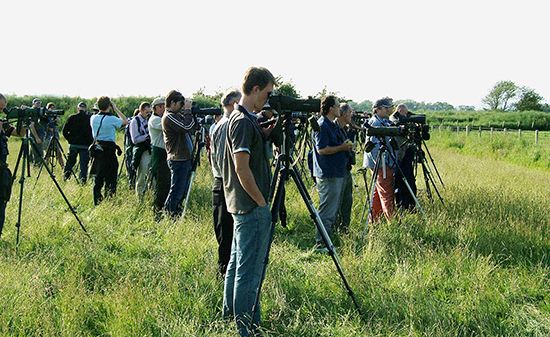
- Outdoor Recreation: Including gardening, fishing, or bird-watching.4
- Puzzles: Such as crossword puzzles or sudoku.4
Individuals who engage in these activities are known as hobbyists, who participate as amateurs rather than as experts or professionals.3
How can hobbies help improve mental health?
Can a hobby eventually turn into a career?
While a hobby is traditionally defined as an activity pursued for pleasure outside of one’s regular occupation—distinguishing the hobbyist from the professional—it is possible for these pursuits to evolve into a career.14
When an individual transitions from an amateur or nonprofessional status to a professional one, they move from engaging in the activity primarily for recreation to performing it as a primary source of income or expertise. This shift often involves moving beyond the “dabbler” or “tinkerer” phase to develop the specialized skills and authority required of a professional. Many successful careers in fields such as the arts, crafts, and specialized trades have originated from personal interests that were initially practiced as pastimes.14
What are some historical origins of popular hobbies?
Many popular hobbies have deep historical roots, often evolving from traditional pastimes, survival skills, or social shifts during the 19th century.
The Rise of Modern Leisure
The second half of the 19th century is often cited as the birth of modern leisure in Western Europe. As industrialization increased productivity and standards of living, workers gained more free time, leading to the “English weekend” and a broader range of recreational activities.2
Origins of Specific Hobbies
- Sports: Many modern sports originated from traditional games that were standardized during the 19th century. For example, tennis traces its roots to Renaissance France, while soccer and rugby were formalized in the British Isles before spreading globally through economic and cultural influence.25
- Cycling: The “bicycle craze” of the 1880s began among the middle classes as a consumer passion for a new, expensive technology, eventually becoming a widespread pastime for families.2
- Indoor Games: Games like basketball and volleyball were scientifically designed in the late 19th century to provide indoor exercise during harsh winters.5
- Etymology: The word “hobby” itself is a shortened form of “hobbyhorse” and was first recorded in its modern sense around 1816.6
Sources
- hobby — Merriam-Webster
- list of hobbies — Encyclopædia Britannica
- hobbies — Merriam-Webster
- hobbyists — Merriam-Webster
- history of Europe - Modifications in social structure — Encyclopædia Britannica
- sports - Globalization — Encyclopædia Britannica
- hobby — Merriam-Webster
Published on · 2 min read