Hot Spot
In ecology, a hot spot is a biodiversity region that hosts a significant number of endangered species and requires urgent protection. The concept was…
What is a hot spot in ecology?
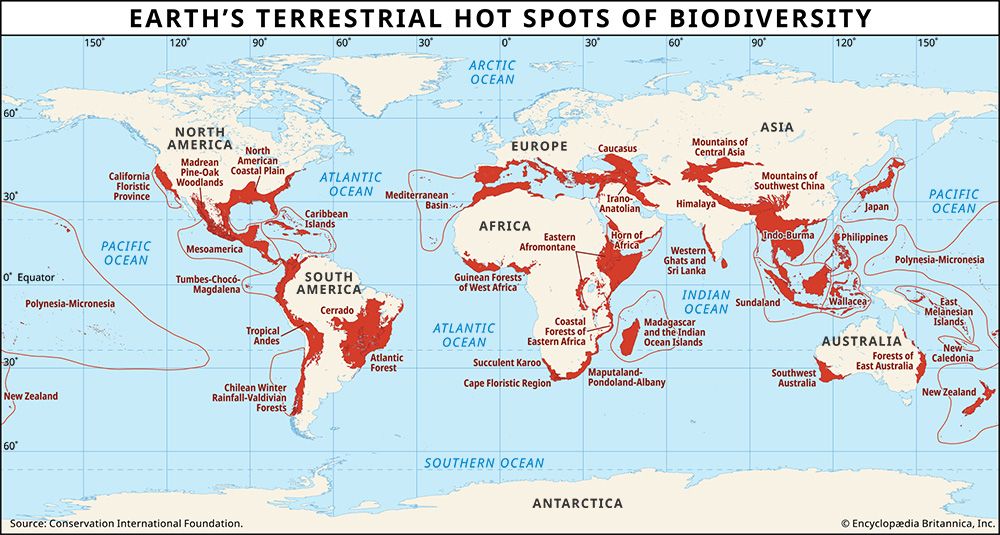
In ecology, a hot spot is a biodiversity region that hosts a significant number of endangered species and requires urgent protection. The concept was introduced by conservationist Norman Myers, who established two primary criteria for a region to qualify as a hot spot:1
- It must contain at least 1,500 species of endemic vascular plants.
- It must have lost 70 percent or more of its primary vegetation due to human activity.1
While covering less than 3 percent of Earth’s surface, these 36 recognized hot spots are home to a vast majority of the planet’s mammal, bird, and amphibian species. Organizations like Conservation International use this framework to prioritize conservation efforts and prevent large-scale extinctions. However, alternative approaches, such as the World Wildlife Fund’s “Global 200,” suggest broader strategies that account for species richness and unique evolutionary phenomena.1
Why are ecological hot spots important?
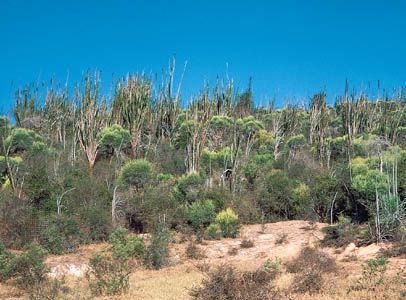
Ecological hot spots are vital to global conservation efforts because they represent areas where a high concentration of endangered species is found within a relatively small geographic footprint. By focusing protection efforts on these specific regions, conservationists can work more systematically to prevent large-scale extinctions.1
The importance of these areas is underscored by several key factors:
- High Biodiversity: Although hot spots cover less than 3 percent of Earth’s surface, they are home to a vast majority of the planet’s mammal, bird, reptile, and amphibian species.1
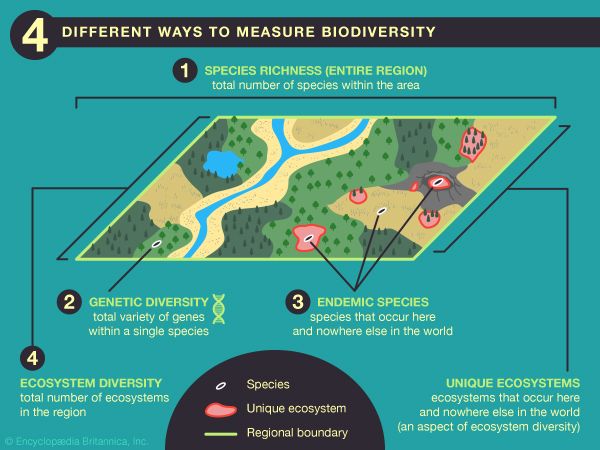
- Irreplaceability: These regions host thousands of endemic species—plants and animals found nowhere else on Earth—making them uniquely vulnerable to environmental disturbances.12
- Strategic Efficiency: Because it is unlikely that all habitats can be protected, hot spots provide a framework for prioritizing land use. By judiciously placing reserves in these areas, a large fraction of global species can be saved at a lower cost and with greater impact.3
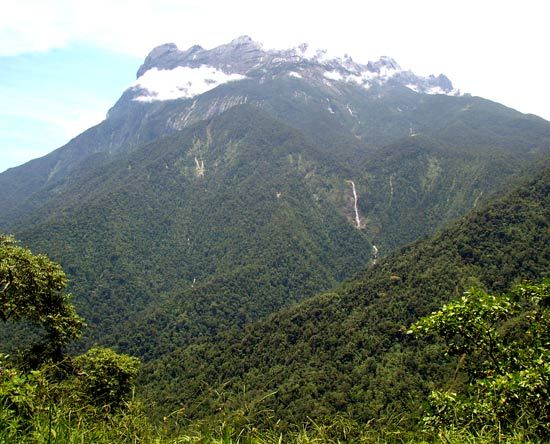
What kinds of plants and animals are usually found in hot spots?
Biodiversity hot spots are defined by their exceptional concentration of life, particularly species that are found nowhere else on Earth. These regions are characterized by the following types of plants and animals:
- Endemic Vascular Plants: A defining criterion for a hot spot is that it must host at least 1,500 species of endemic vascular plants. These are plants that have evolved to live in a specific area and are not found anywhere else in the world.12
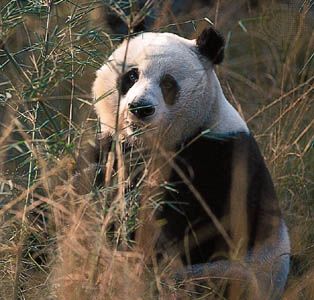
- Diverse Fauna: While hot spots cover less than 3 percent of Earth’s surface, they provide critical habitats for a vast majority of the planet’s mammal, bird, reptile, and amphibian species.1
- Specialized and Vulnerable Species: Many animals and plants in these regions are endemic species with highly specialized adaptations that allow them to survive only in unique habitats. Because of these specializations, they are often highly susceptible to environmental disturbances and are frequently classified as endangered frequently classified as endangered.2
These areas often include isolated environments, such as islands or mountain ranges, which promote the evolution of unique species through reproductive isolation.24
How are ecological hot spots identified by scientists?
Scientists identify ecological hot spots primarily by evaluating regions based on specific criteria regarding biodiversity and habitat loss. The concept, introduced by British conservationist Norman Myers, establishes two fundamental requirements for a region to be classified as a hot spot:
- High Endemism: The area must host at least 1,500 species of endemic vascular plants—species that are found nowhere else on Earth, which highlights the region’s unique and irreplaceable nature.
- Significant Habitat Loss: The region must have lost 70 percent or more of its primary vegetation due to human activity, indicating that the area is under severe threat.1
Beyond these core criteria, modern conservation efforts—such as those by Conservation International—use these hot spots as a framework to prioritize land for protection. Scientists often combine ecological data on species distribution with practical considerations, such as land cost and political feasibility, to determine where to establish reserves. In some cases, researchers utilize computer algorithms to select areas that encompass the maximum number of species or endemics within the smallest possible footprint, ensuring that conservation efforts are both efficient and ecologically sustainable.13
Sources
- hot spot — Encyclopædia Britannica
- endemic species — Encyclopædia Britannica
- conservation - Habitat protection — Encyclopædia Britannica
- evolution - Reproductive isolation — Encyclopædia Britannica
- evolution - Temporal isolation — Encyclopædia Britannica
Published on · 3 min read