How Tall Was T. Rex?
If the Tyrannosaurus rex (T. rex) had stood in an upright posture, it would have reached a height of more than 6.5 meters (21 feet). However, this is not how…
How tall was T. rex?
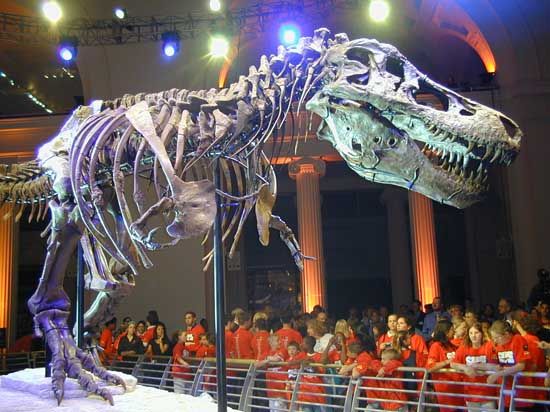
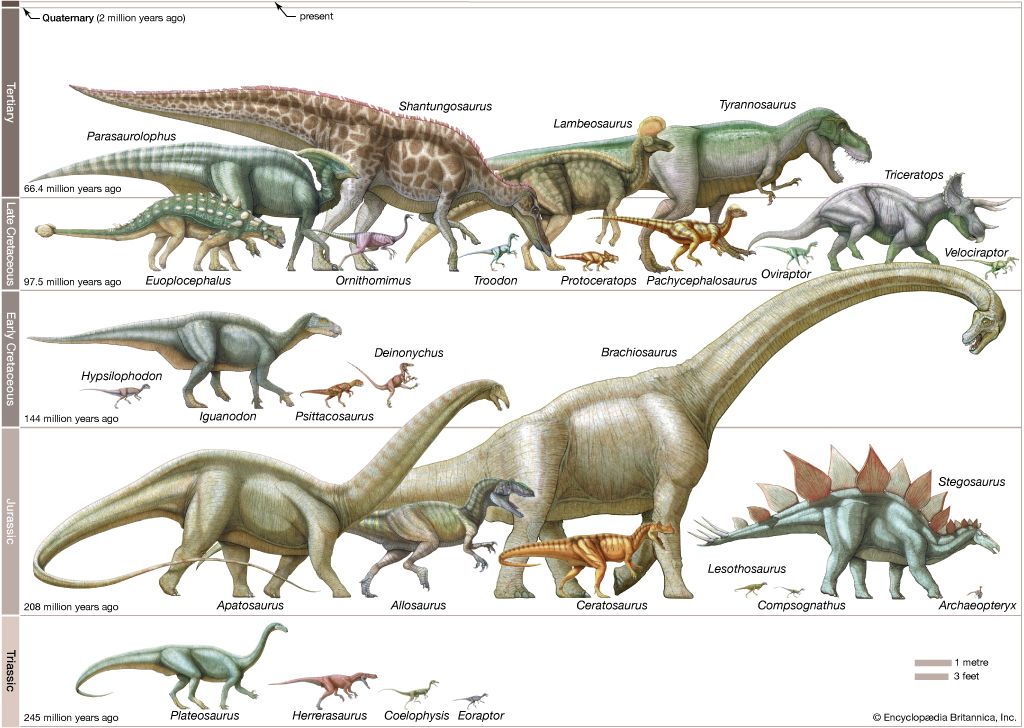
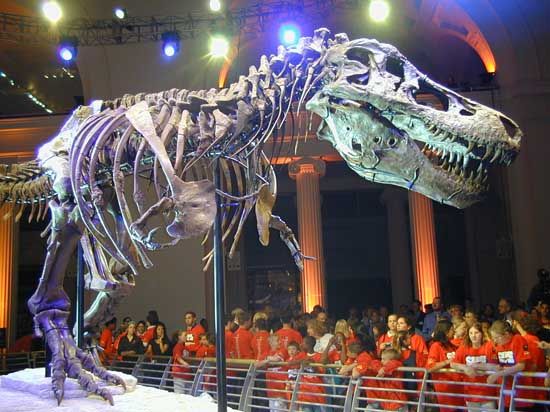
If the Tyrannosaurus rex (T. rex) had stood in an upright posture, it would have reached a height of more than 6.5 meters (21 feet). However, this is not how the animal typically moved.
In its natural state, the T. rex maintained a horizontal posture, with its body held parallel to the ground and its tail extended to act as a counterbalance. In this position, its height at the hips was approximately 3.6 to 3.9 meters (12 to 13 feet). This horizontal stance was essential for the dinosaur’s stability and agility while navigating its environment or pursuing prey.12
How fast could a T. rex run?
Based on scientific estimates, the Tyrannosaurus rex was capable of running at speeds of approximately 32 km (20 miles) per hour over short distances.12
While it is impossible to time an extinct animal with a stopwatch, paleontologists have reached this conclusion by analyzing the animal’s powerfully developed hind limbs. This speed would have been sufficient for the T. rex to pursue and chase down prey effectively. Despite their massive size and weight, these dinosaurs relied on their robust leg structure to navigate their environment and secure food, whether through active hunting or scavenging.1324
What was the purpose of the T. rex’s small forelimbs?
The purpose of the Tyrannosaurus rex’s small forelimbs remains a subject of scientific debate, as they were too short to reach the animal’s mouth or grasp prey. Several theories have been proposed by paleontologists regarding their function:
- Offensive Use: The limbs and claws may have been used to strike or slash at prey during close-range encounters.52
- Social and Reproductive Roles: They might have played a part in social displays or served as pelvic claspers used by males during mating.52
- Evolutionary Advantage: Some researchers argue that large forelimbs would have been a hindrance when multiple individuals fed on a carcass. By evolving smaller limbs, T. rex may have kept these appendages out of the way of its powerful, snapping jaws, reducing the risk of injury, such as amputation or infection, during competitive feeding.52
While mechanical reconstructions suggest the arm musculature could have lifted approximately 180 kg (400 pounds), their primary utility likely favored safety and specialized behaviors over reach or manipulation.52
How do scientists determine the sex of a dinosaur from fossils?
Determining the sex of a dinosaur from fossils is a challenging task, as many previously assumed indicators have proven unreliable. For instance, while it was once believed that the shape of the tail vertebrae near the pelvis could distinguish between males and females, this feature is not considered diagnostic.5
Currently, the most reliable method for identifying the sex of certain dinosaurs involves the presence of medullary bone. During the reproductive cycles of female birds, a specialized layer of bone is deposited on the inner wall of their long bones to provide a calcium source for eggshell production. Paleontologists have identified this same type of tissue in the fossils of some dinosaurs, including tyrannosaurs, which serves as a definitive indicator that those specific specimens were female.5
Beyond this, scientists study sexual dimorphism, which refers to differences in size, shape, or structure between sexes, though such traits are often difficult to confirm in the fossil record without clear biological markers.67
Sources
- How tall was T. rex? — Encyclopædia Britannica
- Tyrannosaurus rex — Encyclopædia Britannica
- T. rex — Merriam-Webster
- Tyrannosaurus rex: Top Questions — Encyclopædia Britannica
- tyrannosaur - Other skeletal features — Encyclopædia Britannica
- Sexual dimorphism — Encyclopædia Britannica
- sexual dimorphism — Merriam-Webster
Published on · 2 min read