Critically Endangered Species
An endangered species is any plant or animal at risk of extinction due to a sudden, rapid decrease in its population or the loss of its critical habitat.
What does it mean when a species is endangered?
An endangered species is any plant or animal at risk of extinction due to a sudden, rapid decrease in its population or the loss of its critical habitat.1
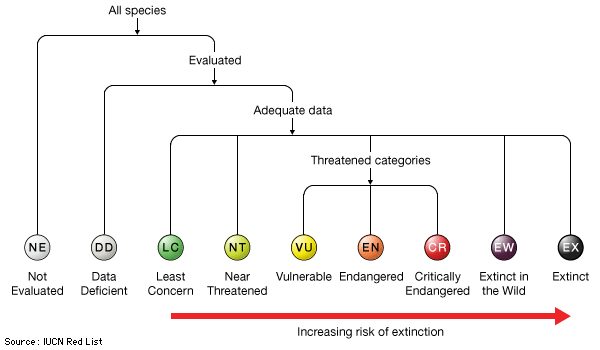
While the term broadly describes any organism whose existence is threatened, formal classification systems—such as the IUCN Red List of Threatened Species—use specific, science-based criteria to assess risk. Under the IUCN system, a species is classified as “Endangered” if it faces a very high risk of extinction, often indicated by a population decline of 50 to over 70 percent over three generations or a current population of fewer than 250 individuals.23
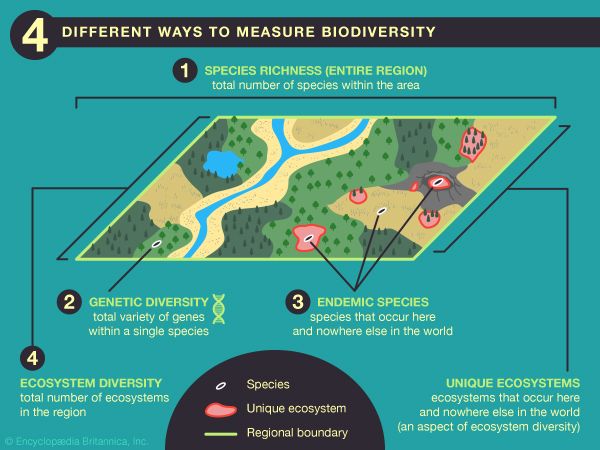
Human activity is the primary driver of this crisis, accounting for roughly 99 percent of species at risk. Major threats include habitat degradation, invasive species, global warming, and unsustainable hunting. Protecting these species is essential, as biodiversity loss destabilizes ecosystems and diminishes the vital services they provide to the planet.45
What are critically endangered species?
A critically endangered species is an organism facing an extremely high risk of extinction in the wild. As defined by the International Union for Conservation of Nature (IUCN), this is the most severe category for threatened species, sitting just one step below “extinct in the wild.”72
Classification Criteria
The IUCN determines this status using quantitative assessments, including:72
- Population Decline: A reduction of 80 to 90 percent or more over 10 years or three generations.72
- Small Population Size: Fewer than 250 mature individuals, or in some cases, fewer than 50.72
- Restricted Range: Occupying an area smaller than 10 square kilometers.7
- Extinction Probability: A greater than 50 percent likelihood of extinction within 10 years or three generations.7
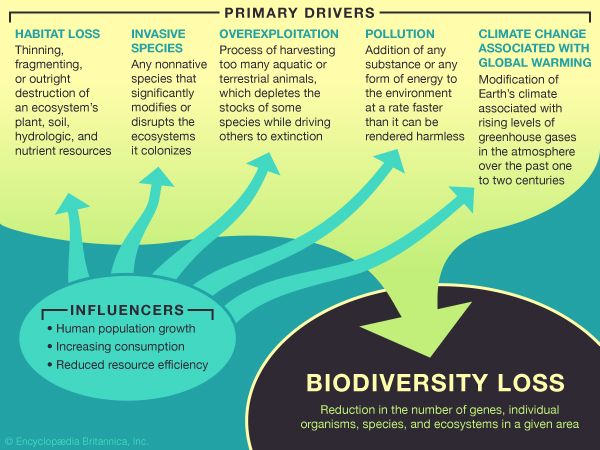
Primary Drivers
Critical endangerment is largely driven by human activities that accelerate biodiversity loss, including:7
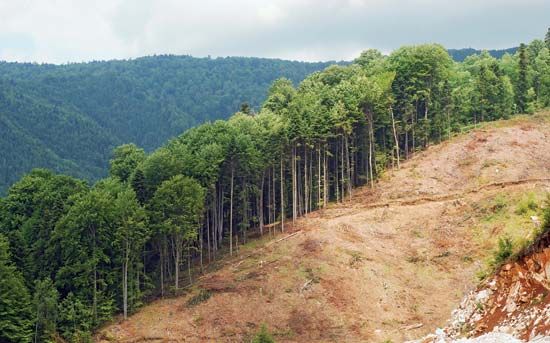
- Habitat Loss: The most pervasive threat, caused by agriculture, logging, and development.7
- Invasive Species: Organisms that outcompete native species for resources.7
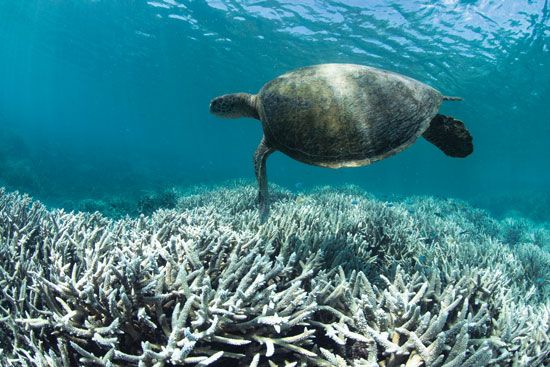
- Climate Change: Rising temperatures and sea levels, which can destroy critical habitats.7
- Overexploitation: Illegal wildlife trade, poaching, and unsustainable hunting or fishing.7
- Disease: The spread of pathogens, often exacerbated by global trade.7

How does a species become critically endangered?
A species becomes critically endangered primarily due to human activities that disrupt natural environments and accelerate biodiversity loss. While some hazards occur naturally, the current rapid decline—often described as the sixth mass extinction—is driven by five major factors:78
- Habitat Loss and Degradation: This is the most pervasive threat. The conversion of land for commercial agriculture, logging, and infrastructure development destroys or fragments the spaces species need to survive and reproduce.72
- Invasive Species: When humans introduce nonnative species to new environments, these organisms often outcompete native species for food, space, and other resources, or act as predators that native populations cannot withstand.792
- Global Warming and Pollution: Climate change forces species to migrate to survive, but rapid shifts can lead to extinction if habitats disappear. Pollution, such as nitrogen runoff, further stresses ecosystems by degrading water and air quality.728
- Overexploitation: Unsustainable hunting, fishing, and the illegal wildlife trade deplete populations faster than they can recover.710
- Disease: Human activity often facilitates the spread of pathogens, such as amphibian chytridiomycosis, which can devastate vulnerable populations.7
What are some examples of critically endangered species?
Many species across the globe are currently classified as critically endangered by the International Union for Conservation of Nature (IUCN), representing those at the highest risk of extinction in the wild.1213
Here are some notable examples:
- Vaquita (Phocoena sinus): Often cited as the most endangered marine mammal on Earth, this small porpoise is found only in the northern Gulf of California. Its population has plummeted due to illegal gill net fishing, with estimates suggesting only 6 to 19 individuals remain.142
- Javan rhinoceros (Rhinoceros sondaicus): Once found across much of Southeast Asia, this species is now restricted to a single location: Ujung Kulon National Park in Indonesia. With no more than 75 individuals remaining, it faces threats from poaching, disease, and natural disasters.121413
- Gorillas (Gorilla beringei and Gorilla gorilla): All species of gorillas are listed as critically endangered. They face severe pressure from habitat encroachment and poaching for bushmeat and trophies. Because they reproduce slowly, the loss of even a few individuals can have a catastrophic impact on their ability to sustain their populations.14
- Amur leopard (Panthera pardus orientalis): This rare subspecies of leopard, native to the Far East near the Sino-Russian border, has declined to critical levels due to habitat loss and human encroachment.1516
Sources
- endangered species — Merriam-Webster
- endangered species - IUCN Red List of Threatened Species — Encyclopædia Britannica
- endangered species - Human beings and endangered species — Encyclopædia Britannica
- endangered species — Encyclopædia Britannica
- biodiversity loss - Ecological effects — Encyclopædia Britannica
- conservation - The loss of populations — Encyclopædia Britannica
- critically endangered species — Encyclopædia Britannica
- invasive species — Encyclopædia Britannica
- overharvesting — Encyclopædia Britannica
- habitat loss — Encyclopædia Britannica
- extinction — Encyclopædia Britannica
- Javan rhinoceros — Encyclopædia Britannica
- Falling Stars: 10 of the Most Famous Endangered Species — Encyclopædia Britannica
- vaquita — Encyclopædia Britannica
- poaching — Encyclopædia Britannica
- Amur leopard — Merriam-Webster
- leopard — Encyclopædia Britannica
Published on · 4 min read