Lake of the Ozarks
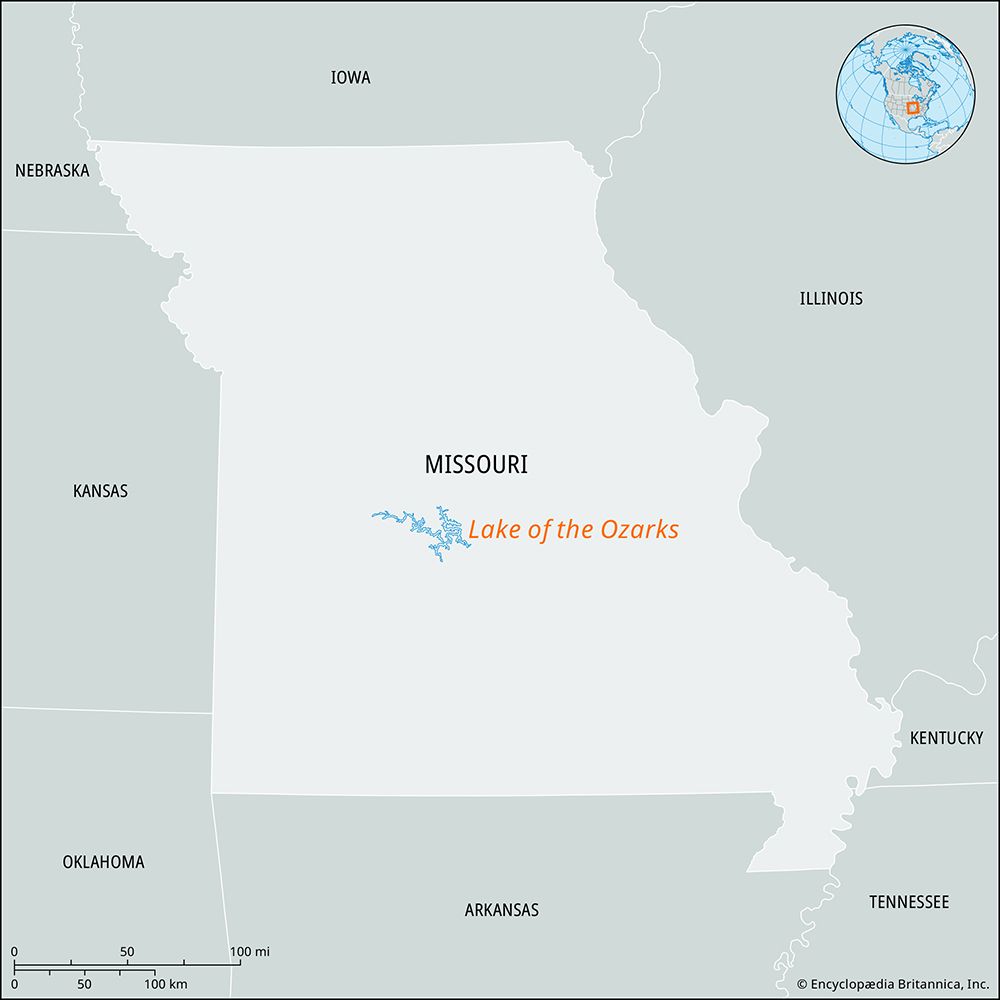
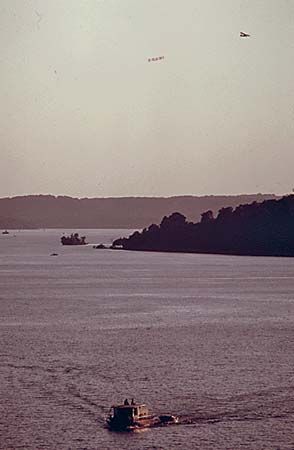
The Lake of the Ozarks is a prominent artificial lake located in the Ozark Mountains of south-central Missouri, U.S.
What is Lake of the Ozarks?
The Lake of the Ozarks is a prominent artificial lake located in the Ozark Mountains of south-central Missouri, U.S.1
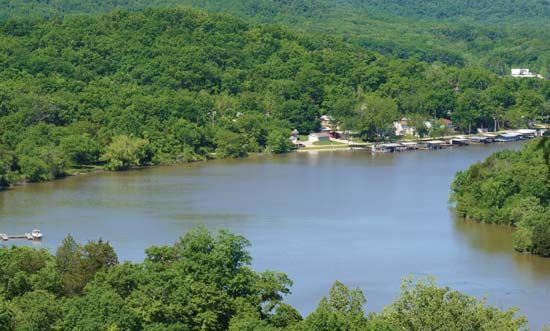
Created between 1929 and 1931 by the construction of the Bagnell Dam across the Osage River, the lake was originally designed to generate hydroelectric power for the St. Louis region. It is one of the largest man-made lakes in the United States, spanning 93 square miles with an extensive shoreline exceeding 1,100 miles.1
Today, the lake serves as a major destination for fishing and aquatic sports. The surrounding area features notable landmarks, including Lake of the Ozarks State Park and Ha Ha Tonka State Park, as well as numerous limestone caverns. Its capacity was further expanded in 1979 with the operation of the Harry S. Truman Dam and Reservoir.1
How does a hydroelectric dam generate electricity?
A hydroelectric dam generates electricity by converting the potential energy of stored water into mechanical energy and finally into electricity.2
The process follows these key steps:
- Water Storage: Water is collected at a higher elevation behind a dam, creating a reservoir. The vertical distance between the water surface and the turbines is known as the head.2
- Conveyance: Water is directed downward through large pipes or tunnels called penstocks. The pressure generated by this descent is used to drive the system.32
- Energy Conversion: At the end of the penstocks, the flowing water strikes the blades of a turbine, causing it to rotate. This rotation drives generators, which convert the mechanical energy into electrical energy.2
- Transmission: Transformers increase the voltage of the generated electricity, making it suitable for long-distance transmission to the power grid.2
While this process provides a renewable energy source, it can have significant environmental impacts, including the disruption of fish migration and the displacement of human communities.42
What are the unique geological features of the Ozark Mountains?
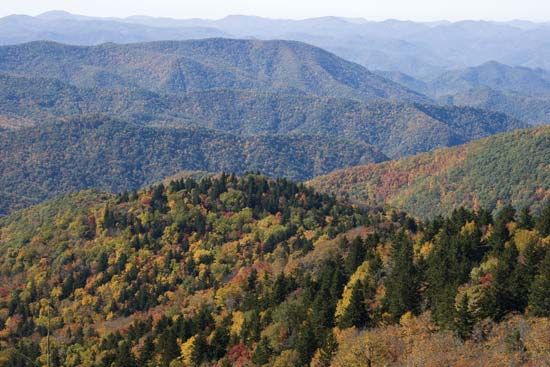
The Ozark Mountains, also known as the Ozark Plateau, represent a unique, heavily forested highland region spanning approximately 50,000 square miles across Missouri, Arkansas, Oklahoma, Kansas, and Illinois.56
Key geological features include:
- Topography: The region is an eroded tableland characterized by broad, flat-topped ridges and steep valleys. It serves as the only large area of rugged topography situated between the Appalachians and the Rockies.576
- Karst Landscapes: The northern sections, such as the Springfield and Salem plateaus, feature gently rolling landscapes defined by karst topography. This includes numerous limestone caves and extensive underground drainage systems where surface streams often sink into the subsurface.78
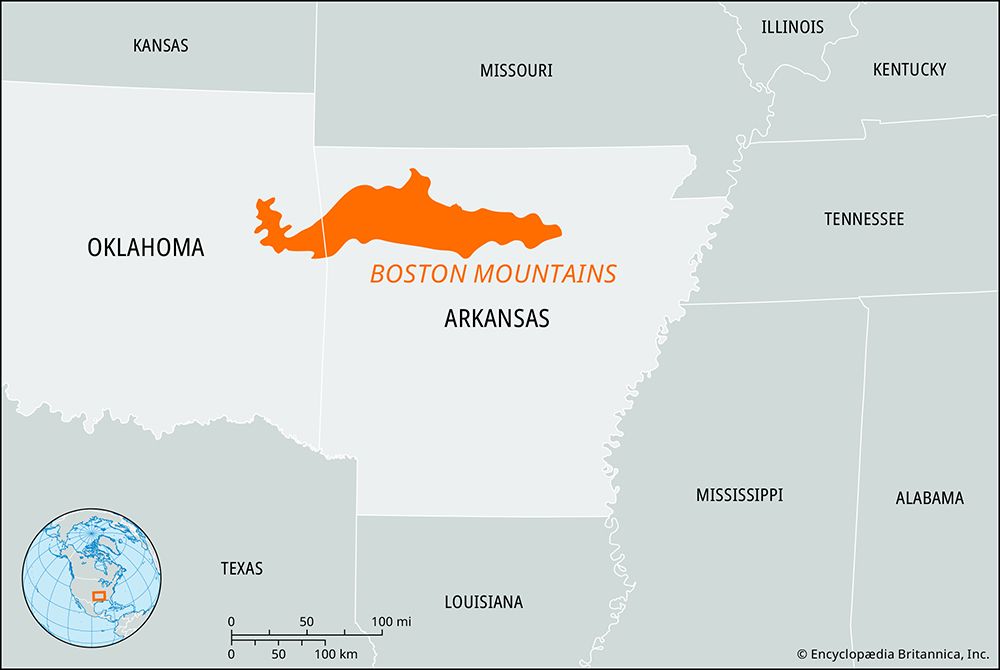
- Elevations: The most rugged terrain is found at the southern edge in the Boston Mountains, which contain the highest elevations in the range.67
- Hydrology: The region is drained by several major rivers, including the Osage, Gasconade, White, and Black rivers, which are often fed by numerous springs.6
What kinds of wildlife live in and around the lake?
The lakes and reservoirs within the Ozark region, such as those found in Arkansas and Missouri, support a diverse array of wildlife. Because these water bodies are often situated along the Mississippi flyway, they serve as vital seasonal way stations for migratory birds, including various ducks, geese, and shorebirds.10
The aquatic environments themselves are home to a wide variety of fish species, which are abundant in the region’s lakes and streams. Common species include:
Beyond the water, the surrounding reservoirs and wooded wetlands attract numerous other animals. Game birds such as turkeys and quail are plentiful, while mammals like deer, squirrels, opossums, and rabbits are frequently found in the vicinity. In some areas, you may also encounter bobcats or feral hogs. Additionally, the region hosts a variety of native birds, including bald eagles, hawks, and owls, which thrive in the forested highlands surrounding these water bodies.10
Sources
- Lake of the Ozarks — Encyclopædia Britannica
- Did you know? — Merriam-Webster
- dam - Rise of environmental and economic concerns — Encyclopædia Britannica
- hydroelectric power — Encyclopædia Britannica
- Ozark Plateau — Merriam-Webster
- Ozark Mountains — Encyclopædia Britannica
- Ouachita Mountains — Encyclopædia Britannica
- Arkansas - Relief, drainage, and soils — Encyclopædia Britannica
- cave - Fluviokarst — Encyclopædia Britannica
- Arkansas - Plant and animal life — Encyclopædia Britannica
Published on · 3 min read