Lake Poopó
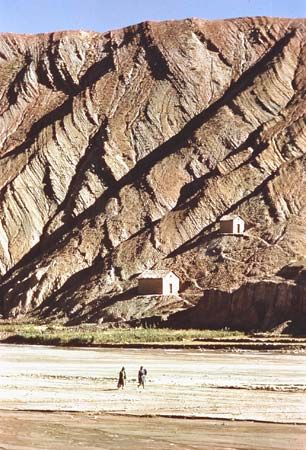
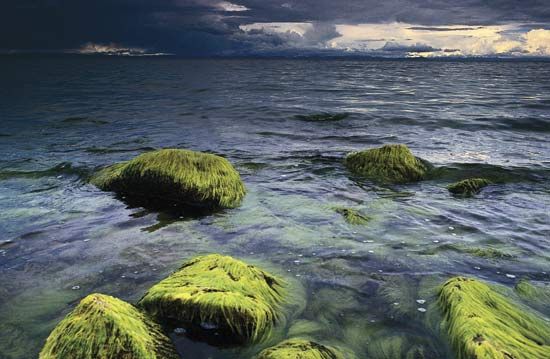
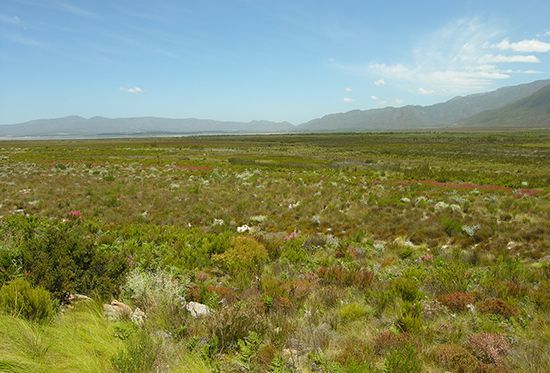
Lake Poopó is situated within a shallow depression on the Altiplano, or "High Plateau," of west-central Bolivia. Geologically, this region is part of the…
What is the geological origin of Lake Poopó?
Lake Poopó is situated within a shallow depression on the Altiplano, or “High Plateau,” of west-central Bolivia. Geologically, this region is part of the Central Andes, a landscape shaped by long-term tectonic processes, including crustal compression and significant volcanic activity that has occurred since the Cretaceous Period.123
The lake itself occupies a basin that sits only a few feet below the general level of the surrounding plateau. Historically, this endorheic (inland-draining) basin served as a terminal point for water flowing from the Desaguadero River, which originates from Lake Titicaca. Because the surrounding land is exceptionally flat, the lake’s surface area was highly sensitive to fluctuations in water levels, allowing it to expand significantly during periods of high rainfall.41
How does the condition of Lake Poopó impact the wildlife and local economy of the region?
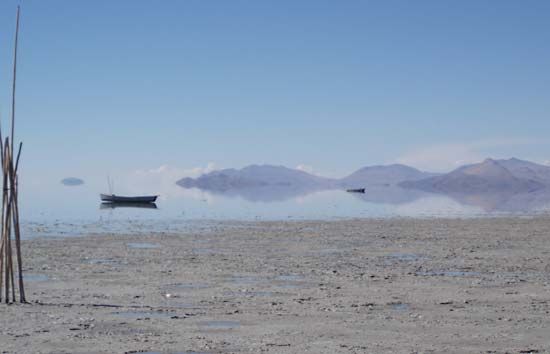
The desiccation of Lake Poopó, which was declared dried up by December 2015, has had devastating impacts on both the regional ecosystem and local human populations.12
Impact on Wildlife
The loss of the lake has been catastrophic for the region’s biodiversity. The lake previously supported more than 200 species of flora and fauna, all of which suffered as their habitat vanished. The environmental decline was driven by a combination of climate change, El Niño, and water diversion for mining and irrigation, which tripled the lake’s evaporation rate since the 1990s.12
Impact on Local Economy and Communities
The economic consequences have been severe, particularly for the Urus-Muratos, an Indigenous community whose traditional livelihoods were entirely dependent on fishing in the lake. As the water disappeared, these communities lost their primary source of income and food security. Furthermore, the drying of the lakebed forced the relocation of settlements that had historically relied on the marshy conditions created by the lake’s water filtration.12
Where is Lake Poopó located in Bolivia, and what are its key geographical features?
Lake Poopó is located in west-central Bolivia, situated within a shallow depression on the Altiplano, or “High Plateau,” at an altitude of approximately 12,090 feet (3,686 meters) above sea level1.1
Key geographical and physical features include:
- Dimensions and Depth: Historically, the lake was the country’s second-largest, spanning about 56 miles (90 km) in length and 20 miles (32 km) in width, covering 977 square miles (2,530 square km) at its low stage. Despite its surface area, it was notably shallow, with depths ranging only between 8 and 10 feet (2.4 to 3 meters).61
- Hydrology: It is an endorheic lake, meaning it has no natural water outflows other than evaporation and ground seepage. It historically received water from the Desaguadero River and seasonal precipitation.61
- Current Status: By December 2015, the lake had completely dried up due to a combination of climate-change-exacerbated drought, sediment buildup from mining, and water diversion for irrigation.61
What is the historical significance of Lake Poopó to the local communities and ecosystem?
Historically, Lake Poopó served as a vital ecological and economic anchor in the Altiplano region of Bolivia.
Ecological Significance
The lake functioned as a critical habitat for more than 200 species of flora and fauna. As an endorheic basin, it relied on the Desaguadero River and seasonal rains to maintain its shallow, marshy environment, which supported a unique, interconnected ecosystem.12
Economic and Cultural Significance
For the Urus-Muratos, an Indigenous community, the lake was the foundation of their traditional way of life. The local economy was heavily dependent on fishing, which provided both food security and income for the population. The lake’s presence also shaped human settlement patterns, as the surrounding marshy shores were essential for local habitation.12
The loss of this resource—driven by climate change, mining runoff, and irrigation demands—has been catastrophic, leading to the collapse of these traditional livelihoods and forcing the displacement of local communities.12
We could dive deeper into the specific conservation efforts that were attempted before the lake’s final desiccation.
Sources
- 6 Lakes That Are Drying Up - Lake Poopó — Encyclopædia Britannica
- Lake Poopó — Encyclopædia Britannica
- Bolivia - Drainage of Bolivia — Encyclopædia Britannica
- Poopó, Lake — Merriam-Webster
- South America - The Central Andes — Encyclopædia Britannica
- Altiplano — Encyclopædia Britannica
- Andean Geosyncline — Encyclopædia Britannica
- Andes Mountains - Soils — Encyclopædia Britannica
Published on · 3 min read