Lake Shala
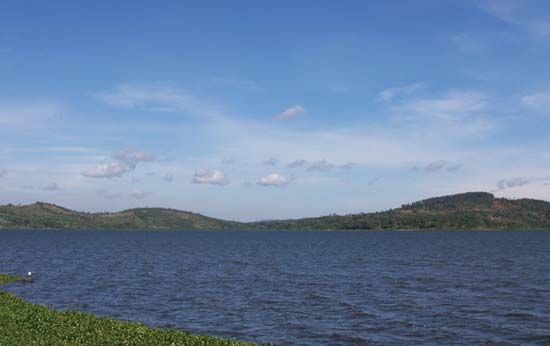
Lake Shala is a saline lake located in the Great Rift Valley of south-central Ethiopia. It measures approximately 16 miles (26 km) in length and 12 miles (19…
What is Lake Shala?
Lake Shala is a saline lake located in the Great Rift Valley of south-central Ethiopia. It measures approximately 16 miles (26 km) in length and 12 miles (19 km) in width, with depths exceeding 850 feet (260 metres) in some areas.1
Because the lake has no outlet, its water remains saline. The northeastern corner of the lake features a hot spring that serves as a popular local attraction. Lake Shala is a significant habitat for various bird species, including hornbills, starlings, and sparrow-weavers. Together with the neighboring Lake Abiyata, it is protected within the Lake Abiyata–Shala National Park, an area where more than 300 bird species have been documented.1
How does the Great Rift Valley affect the formation of lakes?
The Great Rift Valley and other rift systems significantly influence the formation of lakes by creating deep, elongated depressions in the Earth’s crust known as tectonic basins. These basins are primarily formed through the following geological processes:
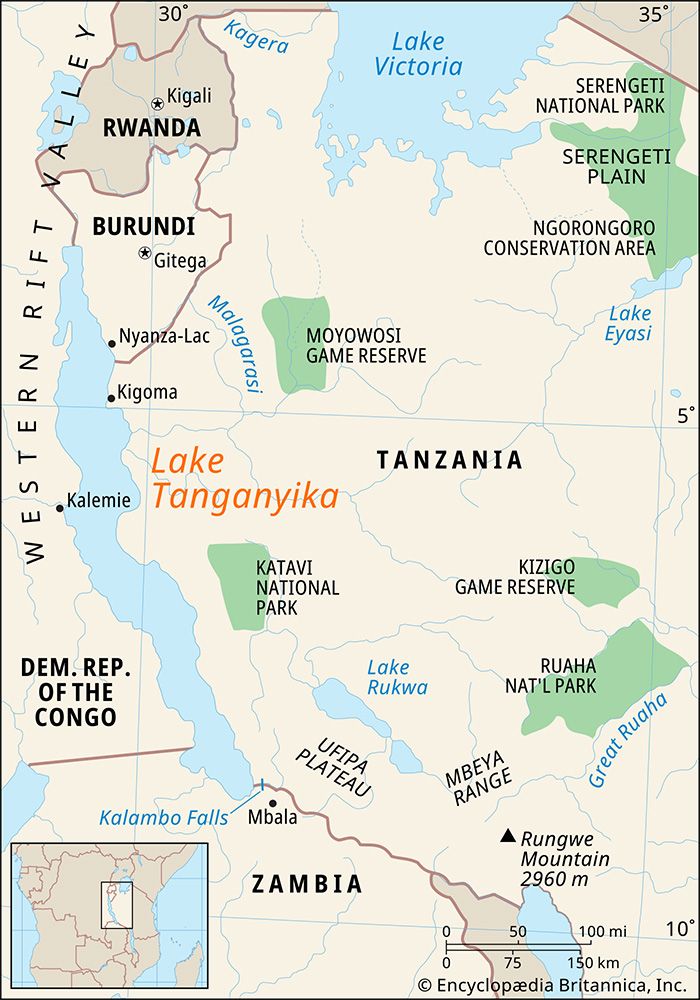
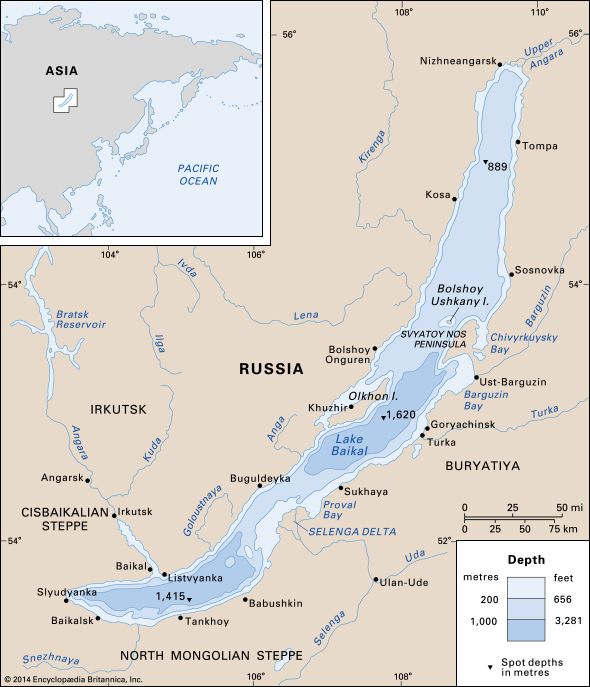
- Subsidence and Faulting: As lithospheric plates diverge, segments of the Earth’s crust drop downward between normal faults, creating deep, steep-walled troughs called grabens2. These depressions act as natural catchments for water, leading to the formation of some of the world’s deepest and oldest lakes, such as Lake Tanganyika and Lake Baikal.23
- Volcanic Activity: Rift valleys are often associated with extensive volcanism. Volcanic eruptions can block existing drainage patterns, forcing water to pool and form new lakes. Additionally, the collapse of magma chambers can create large depressions known as calderas, which frequently fill with water to become lakes.34
- Tectonic Uplift: The movement of the crust can interfere with natural drainage patterns, causing rivers to be diverted or blocked, which leads to the creation of lake basins. For example, the rise of rift shoulders has historically caused the reversal of river flows, contributing to the formation of lakes like Lake Victoria.34
Because these basins are often deep and lack outlets, many rift lakes are characterized by high salinity or unique chemical compositions, such as the soda-rich waters of Lake Magadi.4
Why is the water in Lake Shala saline?
The water in Lake Shala is saline primarily because the lake is an endorheic basin, meaning it has no outlet to discharge water.1
In such systems, water enters the lake through precipitation and surface runoff, carrying small amounts of dissolved minerals and salts from the weathering of rocks. Because there is no outflow, the only way for water to leave the lake is through evaporation. As the water evaporates, it leaves the dissolved salts behind, causing them to accumulate and increase the salinity of the remaining water over time. This process is particularly pronounced in regions with high evaporation rates, where the balance between water input and output favors the concentration of minerals.57
What makes Lake Abiyata-Shala National Park important for bird conservation?
Lake Abiyata-Shala National Park is a significant site for bird conservation due to its remarkable avian diversity. The park serves as a vital habitat where more than 300 species of birds have been recorded.1
The area supports a wide variety of bird life, including:
- Woodland species: The woodlands surrounding the lakes provide essential habitats for birds such as hornbills, starlings, and sparrow-weavers.1
- Waterfowl and aquatic birds: As part of the East African Rift System, the park is situated within a region known for its rich populations of resident and migrant waterfowl, which are a key focus for ornithological interest in the area.9
By protecting these diverse ecosystems, the national park plays a crucial role in maintaining the ecological health required to support such a high concentration of bird species.19
Sources
- Lake Shala — Encyclopædia Britannica
- tectonic basins and rift valleys - Rift valleys — Encyclopædia Britannica
- East African Rift System — Encyclopædia Britannica
- lake - Basins formed by tectonism , volcanism, and landslides — Encyclopædia Britannica
- East African lakes - Geology, climate, and hydrology — Encyclopædia Britannica
- rift valley — Encyclopædia Britannica
- Inland water ecosystem - Saline lakes — Encyclopædia Britannica
- salinity — Encyclopædia Britannica
- East African lakes - Plant and animal life — Encyclopædia Britannica
Published on · 3 min read