Valerianoideae
Valerianoideae is the valerian subfamily within the family Caprifoliaceae, belonging to the order Dipsacales. While it was previously classified as its own…
What is Valerianoideae?
Valerianoideae is the valerian subfamily within the family Caprifoliaceae, belonging to the order Dipsacales. While it was previously classified as its own distinct family, known as Valerianaceae, the Angiosperm Phylogeny Group IV (APG IV) system now categorizes it as a subfamily.12
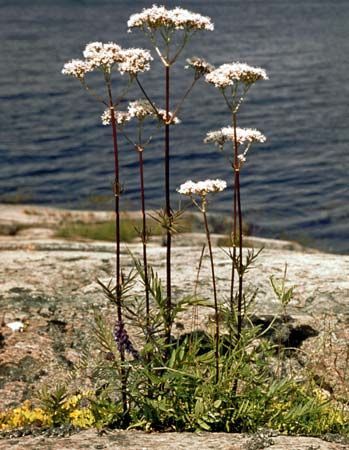
This group comprises approximately 7 genera and 315 species of annual and perennial herbs. These plants are valued for various uses, including as ornamentals, culinary salad or pot herbs, and sources for perfumes and medicines. Notable members include:1
- Valeriana: The largest genus, which includes common valerian, a plant used for its sedative properties and as a source of perfume.1
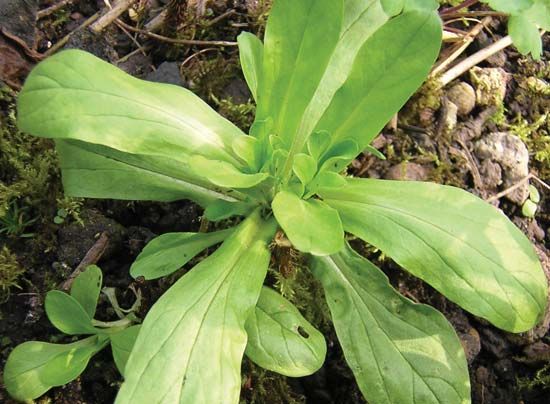
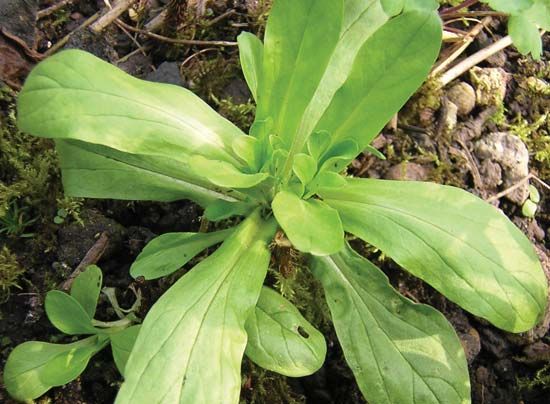
- Valerianella: Includes species such as lamb’s lettuce and Italian corn salad, which are cultivated for culinary use.1
- Spikenard: A Himalayan perennial herb known for its essential oils, currently listed as a critically endangered species.1
What is the difference between a family and a subfamily in plant classification?
In biological classification, both family and subfamily are ranks within the taxonomic hierarchy used to organize living organisms based on their shared characteristics and evolutionary relationships.3
- Family: This is a major rank in the taxonomic hierarchy, positioned below an order and above a genus. It serves as a primary grouping for related genera. Because there are no explicit, universal taxonomic characters that define a specific rank, the assignment of a group to the family level is often based on a general consensus among taxonomists regarding the group’s natural relationships.3
- Subfamily: This is an intermediate rank that sits below a family and above a genus. Taxonomists use intermediate ranks like subfamilies to further refine the classification of a family when it contains distinct groups that warrant closer association.43
The distinction between these ranks is often fluid; historically, some groups currently classified as subfamilies were previously considered distinct families. Modern systems, such as the Angiosperm Phylogeny Group IV (APG IV), frequently reorganize these groups based on new molecular evidence and DNA analysis, which may lead to the merging or splitting of taxa.56
How are plants like valerian used in medicine and perfumes?
Plants within the Valerianoideae subfamily, particularly those in the genus Valeriana, have long been utilized for their medicinal and aromatic properties.
Medicinal Uses
The roots and rhizomes of plants such as common valerian (V. officinalis) have historically been prepared and used as a sedative and carminative. These preparations involve the dried plant material, which contains compounds that have traditionally been sought for their calming effects on the body.
Perfume and Aromatic Uses
Valerian plants are also valued for their essential oils, which are highly volatile substances isolated from the plant material.
- Extraction: These oils are typically obtained through processes like steam distillation, which separates the fragrant compounds from the plant tissue.
- Aromatic Profile: A spicy perfume can be extracted from the roots of certain Valeriana species, sometimes serving as a substitute for spikenard. However, it is worth noting that some valerian oils are characterized by an unpleasant odor, despite their use in various applications.
- Commercial Role: While historically significant in medicine, the use of many volatile plant oils has shifted over time to become more prominent in the production of perfumes, cosmetics, and soaps.
What are some other plants found in the Caprifoliaceae family?
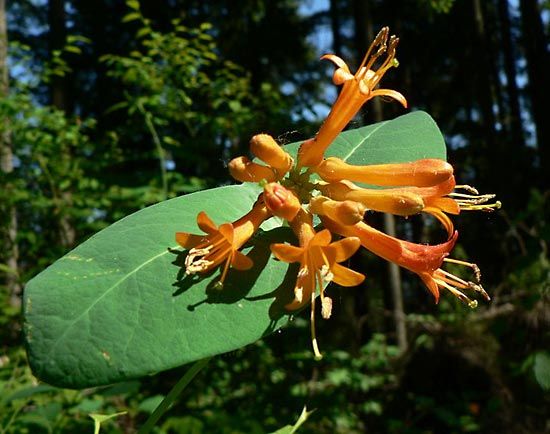
The Caprifoliaceae family, commonly known as the honeysuckle family, encompasses a diverse range of trees, shrubs, vines, and herbs. Beyond the well-known honeysuckles (Lonicera), the family includes several other notable genera:
- Ornamental Shrubs and Vines:
- Abelia: Includes species like the Mexican abelia and the glossy abelia, often cultivated for their fragrant, tubular flowers.
- Symphoricarpos: Known as snowberries, this genus includes deciduous shrubs such as the common snowberry and coralberry.
- Diervilla: Comprises three species of shrubs native to North America.
- Kolkwitzia amabilis: Commonly known as the beauty bush, prized for its showy flowers.
- Leycesteria formosa: Known as the Himalaya honeysuckle, which produces drooping spikes of purple flowers.
- Herbs and Other Flowering Plants:
- Valeriana and Valerianella: These genera, which include common valerian and lamb’s lettuce, are now classified within the subfamily Valerianoideae.
- Scabiosa: The pincushion flower genus.
- Centranthus ruber: Also known as red valerian or Jupiter’s-beard.
- Dipsacus: The teasel genus, which is closely related to Scabiosa.
Sources
- Valerianaceae — Merriam-Webster
- Valerianoideae — Encyclopædia Britannica
- taxonomy - Ranks — Encyclopædia Britannica
- Asparagales - Organization and taxonomy — Encyclopædia Britannica
- subfamily — Merriam-Webster
- Fabaceae - Major subfamilies and their genera — Encyclopædia Britannica
- valerian oil — Merriam-Webster
- valerian — Merriam-Webster
- Essential oil — Encyclopædia Britannica
- Caprifoliaceae — Encyclopædia Britannica
- Honeysuckle — Encyclopædia Britannica
- Caprifoliaceae — Merriam-Webster
- caprifolium — Merriam-Webster
Published on · 3 min read