Living-rock Cactus
The living-rock cactus refers to the genus Ariocarpus, which includes eight species of cacti native to Texas and Mexico. These plants are typically found in…
What is living-rock cactus?
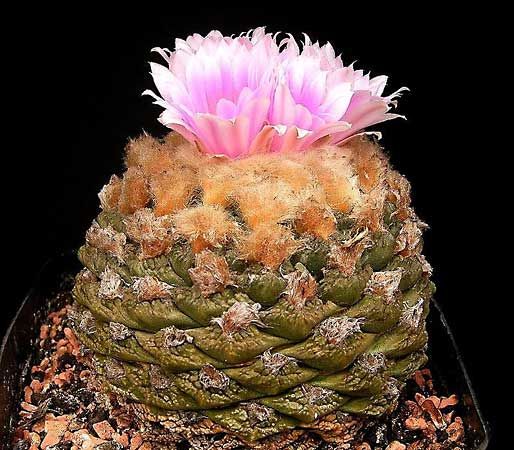
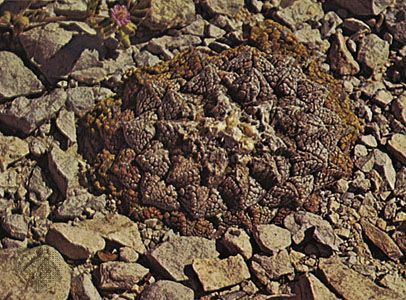
The living-rock cactus refers to the genus Ariocarpus, which includes eight species of cacti native to Texas and Mexico. These plants are typically found in limestone-rich soil and are characterized by a low-growing rosette of tubercles, often lacking spines but featuring woolly hairs.1
To survive dry conditions, they store water in a thickened taproot and internal mucilage reservoirs. While they produce colorful flowers, they also contain alkaloids that can be mildly hallucinogenic.1
It is important to note that several species, such as the Tamaulipas living-rock cactus (A. agavoides), are currently listed as endangered species due to habitat loss and overcollecting. Protecting these unique plants from illegal harvesting is a vital ethical responsibility to ensure their survival in the wild.1
How do these cacti survive in such dry environments?
Living-rock cacti (Ariocarpus) and other succulents employ several specialized morphological and physiological adaptations to thrive in arid environments:
- Water Storage: These plants store water in thickened taproots and internal mucilage reservoirs to sustain them through dry periods.3
- Crassulacean Acid Metabolism (CAM): To minimize water loss through transpiration, these cacti keep their stomata closed during the hot, dry day and open them only at night to take in carbon dioxide. This process, known as crassulacean acid metabolism, allows them to fix carbon dioxide at night and store it as malic acid for use in photosynthesis during the day.14
- Reduced Surface Area: As xerophytes, many desert plants have evolved to reduce their leaf surface area—or eliminate leaves entirely—to limit the sites where water loss occurs.5
These combined strategies allow the plants to maintain their internal water content despite the harsh, high-evaporation conditions of their native desert habitats.54
Why are some species of Ariocarpus considered endangered?
Several species of Ariocarpus, including the Tamaulipas living-rock cactus (A. agavoides), A. bravoanus, and A. scaphirostris, are classified as endangered species primarily due to two major factors:
- Habitat Loss: The destruction or degradation of the specific limestone-rich environments these plants require has significantly reduced their natural range.1
- Overcollecting: Because these cacti are highly sought after by collectors, illegal harvesting from the wild has placed immense pressure on remaining populations, threatening their long-term survival.1
Protecting these rare plants from exploitation is a critical ethical imperative to preserve biodiversity and prevent the extinction of these unique species in their native Texas and Mexico habitats.1
What are some other unique adaptations of desert plants?
Desert plants, or xerophytes, have evolved a variety of unique adaptations to survive extreme moisture shortages and capitalize on brief wet periods:
- Dormancy and Ephemeral Life Cycles: Many desert plants are ephemeral, surviving long dry spells as resistant, dormant seeds. When rain finally arrives, these seeds germinate rapidly, allowing the plants to grow, flower, and complete their reproductive cycle within a few weeks before the soil dries out again.3
- Physiological Inactivity: Some perennial plants survive by becoming physiologically inactive during dry times. While they may remain desiccated, they can quickly absorb moisture through their aboveground parts when water becomes available, resuming normal activity.3
- Underground Storage: Certain plants utilize specialized underground structures such as bulbs, tubers, or rhizomes. These organs remain inactive and require little water until rainfall triggers a period of rapid growth, flowering, and seed production.3
- Morphological Modifications: To minimize water loss, many desert plants have reduced their leaf surface area or shed their leaves entirely during the dry season. Others feature hairy or reflective leaves that help reduce transpiration.37
- Deep Root Systems: Many succulents and woody plants possess extensive or very deep root systems capable of reaching moisture stored deep within the soil.83
Sources
- living-rock cactus — Encyclopædia Britannica
- living rock — Merriam-Webster
- Succulent — Encyclopædia Britannica
- Biosphere - Humidity — Encyclopædia Britannica
- Plant - Specific variations in photosynthesis — Encyclopædia Britannica
- Taproot — Encyclopædia Britannica
- Seed - Afterripening, stratification, and temperature effects — Encyclopædia Britannica
- Ephemeral — Encyclopædia Britannica
- Desert - Population and community development and structure — Encyclopædia Britannica
- Seed - Dormancy and life span of seeds — Encyclopædia Britannica
- ephemeral — Merriam-Webster
Published on · 3 min read