Long Island Sound
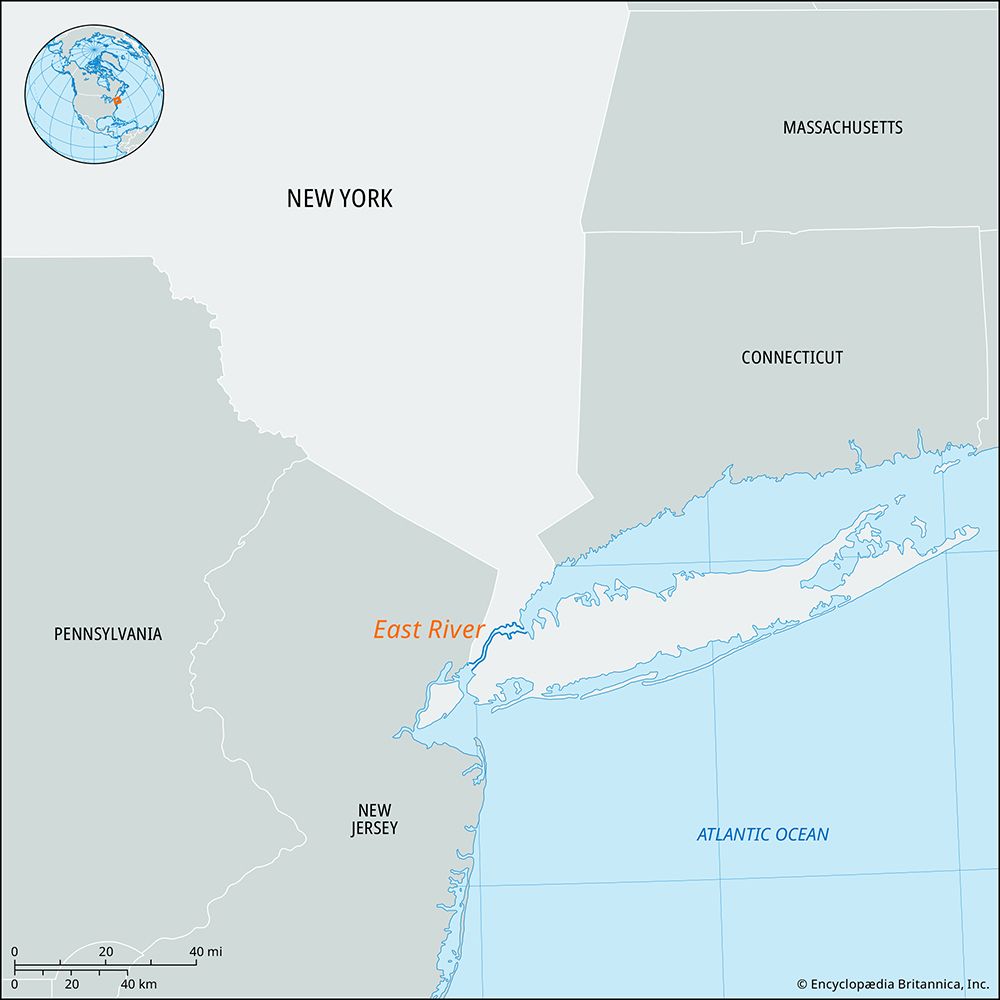
The Long Island Sound is a semi-enclosed arm of the North Atlantic Ocean located between the New York–Connecticut shore to the north and Long Island to the…
What is Long Island Sound and where is it located?
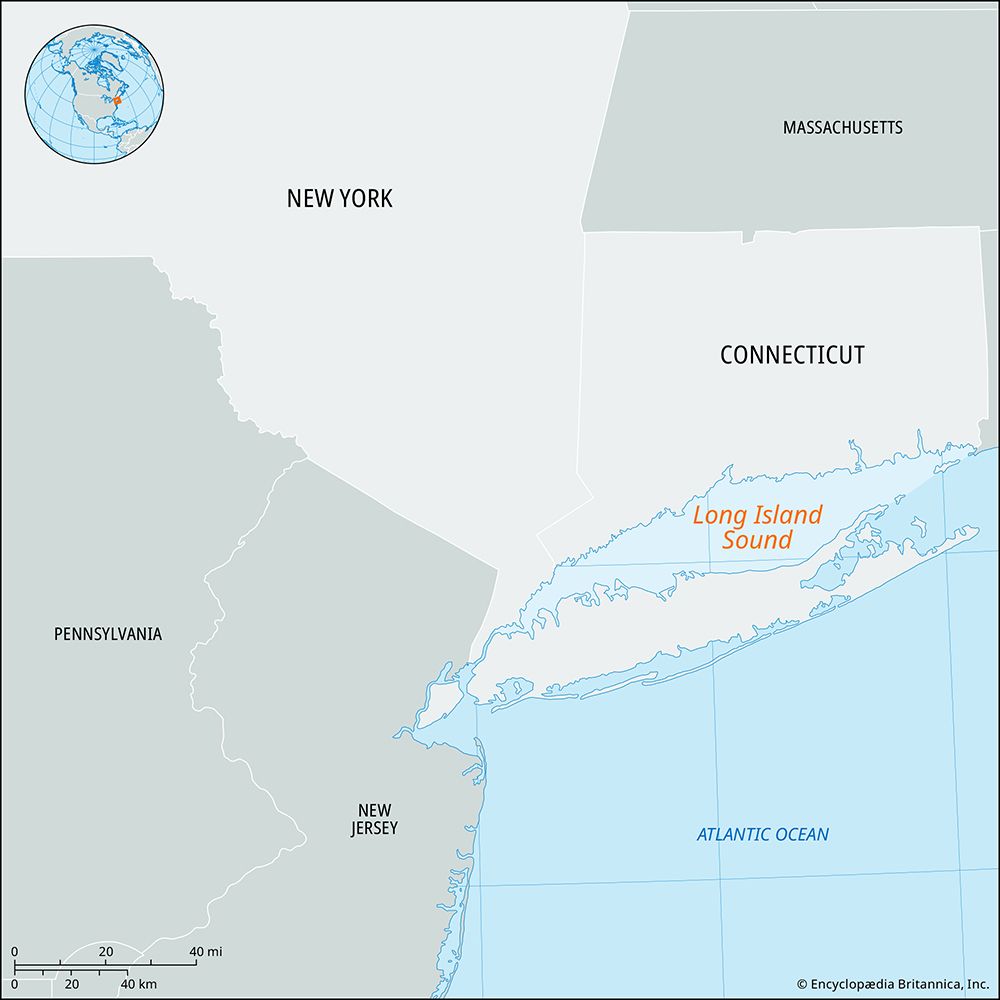
The Long Island Sound is a semi-enclosed arm of the North Atlantic Ocean located between the New York–Connecticut shore to the north and Long Island to the south.1
Spanning 1,180 square miles, the sound stretches 90 miles in length and varies from 3 to 20 miles in width. Its western boundary is marked by the narrow Throgs Neck, which connects to the East River, while its eastern limit is defined by Orient Point and several nearby islands. The area is characterized by rich biodiversity, supporting various oyster farms and sport fishing opportunities, and it serves as a significant component of the Atlantic Intracoastal Waterway.1
What are the major ecological features and wildlife found in Long Island Sound?
The Long Island Sound is a biologically productive estuary characterized by several distinct ecological features and a variety of marine life.
Ecological Features
- Hydrology: The sound receives significant freshwater input from the Housatonic, Connecticut, and Thames rivers. Because this water flows rapidly out through the eastern end, the sound maintains relatively stable salinity levels.1
- Depth and Tides: Glacial activity has created depths exceeding 100 feet, reaching up to 330 feet in the east. The tidal range is notable, varying from less than 3 feet in the east to over 6 feet in the west.1
- Productivity: The waters are rich in plankton and bottom-dwelling organisms, which provide a vital nursery environment for young fish.1
Wildlife and Fisheries
- Fish: While the sound is not a major hub for commercial fishing, it supports populations of menhaden, weakfish, and bluefish.1
- Shellfish and Crustaceans: The region is known for its oyster farms, particularly from Bridgeport eastward, as well as populations of lobsters and crabs found along the Connecticut shores.1
We could dive deeper into the environmental challenges facing this estuary or explore its history as a waterway.
How deep is Long Island Sound, and how does its depth vary across different areas?
The depth of the Long Island Sound is primarily a result of two glacial advances, which have shaped the basin to reach depths exceeding 100 feet (30 meters) throughout much of the area.1
The depth varies significantly across the sound’s geography:
- General Depth: Much of the sound maintains a depth of more than 100 feet.1
- Maximum Depth: The water becomes considerably deeper toward the eastern end, reaching a maximum depth of 330 feet (100 meters) near its eastern limits.1
What are some of the major islands located within Long Island Sound?
Several islands are located within or at the boundaries of the Long Island Sound. The eastern limit of the sound is defined by a collection of islands that separate it from the open ocean, including:
Additionally, the sound is bordered to the south by Long Island, which serves as the primary southern boundary for the entire length of the waterway.13
Sources
- Long Island Sound — Encyclopædia Britannica
- Connecticut — Encyclopædia Britannica
- Long Island Sound — Merriam-Webster
- Long Island — Merriam-Webster
- Long Island — Encyclopædia Britannica
Published on · 2 min read