Menhaden
Menhaden are valuable Atlantic coastal fishes belonging to the herring family (Clupeidae) and the genus Brevoortia. These fish are characterized by their…
What are menhaden fish and where are they commonly found?
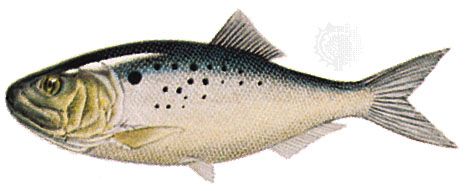
Menhaden are valuable Atlantic coastal fishes belonging to the herring family (Clupeidae) and the genus Brevoortia. These fish are characterized by their deep bodies, large heads, sharp-edged bellies, and tooth-edged scales. Typically reaching about 37.5 cm (15 inches) in length, they are filter feeders that swim with their mouths open to strain plankton from the water.12
Regarding their distribution, menhaden are found in dense schools along the Atlantic coast, ranging from Canada to South America.12
Because they are a significant natural resource, they are netted in large numbers to be processed into fish meal, oil, and fertilizer. While the fish meal is primarily used for animal feed, there is potential for it to serve as a future source of protein for human consumption.1
Why are menhaden considered ecologically important in marine ecosystems?
While menhaden are widely recognized for their commercial utility in producing fish meal, oil, and fertilizer, the provided search results do not contain specific information regarding their ecological role within marine ecosystems.
The available data focuses on their physical characteristics, classification within the herring family, and their status as a harvested natural resource found in dense schools along the Atlantic coast from Canada to South America.12
How are menhaden used commercially, and what products are derived from them?
Menhaden are highly valued as a commercial resource and are harvested in large numbers annually to be processed into several industrial and agricultural products.1
Commercial Uses and Derived Products
The processing of menhaden yields three primary categories of products:
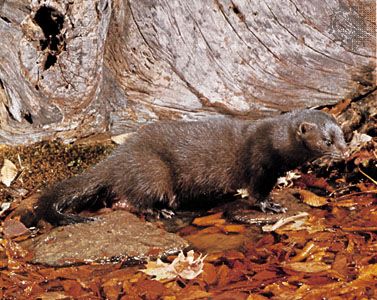
- Fish Meal: The fish are cooked, pressed, and dried into a high-protein powder rich in vitamin B12. This meal is primarily utilized as animal feed for poultry, swine, mink, pets, and farm-raised fish.13
- Fish Oil: Extracted during the pressing process, this oil is a drying fatty oil. It is used in the manufacturing of paint, varnish, inks, and linoleum, as well as for treating leather.34
- Fertilizer: Historically and currently, menhaden are used as a source of fertilizer for agriculture.12
Additionally, menhaden are frequently used as bait in various fishing operations. While currently used for these industrial purposes, researchers suggest that menhaden could eventually serve as an inexpensive and accessible source of protein for human consumption.21
What are the physical characteristics of menhaden fish?
Menhaden, which belong to the herring family (Clupeidae), possess several distinct physical characteristics adapted for their life in the water:
- Body Shape: They have a deep body with a sharp-edged belly, which forms a keel. This keel is an adaptation that helps remove the shadow created by top lighting, allowing the fish to blend into the water’s surface when viewed from below.15
- Head and Scales: Menhaden are characterized by a large head and scales that are tooth-edged.1
- Size: Adult menhaden typically reach a length of about 37.5 cm (approximately 15 inches) and weigh 0.5 kg (1 pound) or less.1
- Feeding Adaptations: When feeding, they swim with their mouths agape and their gill openings widespread, which allows them to strain plankton from the water.1
These fish are known for their schooling behaviour, which, combined with their silver-sided, keeled bodies, helps them evade predators in open water.15
Sources
- menhaden — Encyclopædia Britannica
- menhaden — Merriam-Webster
- fish meal — Encyclopædia Britannica
- menhaden oil — Merriam-Webster
- clupeiform - Distinguishing characteristics — Encyclopædia Britannica
Published on · 2 min read