Mako Shark
A mako shark is a member of the genus Isurus and belongs to the mackerel shark family, Lamnidae. There are two distinct species: the shortfin mako, which…
What is mako shark?
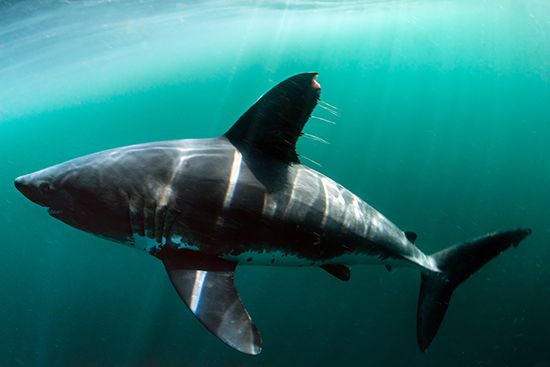
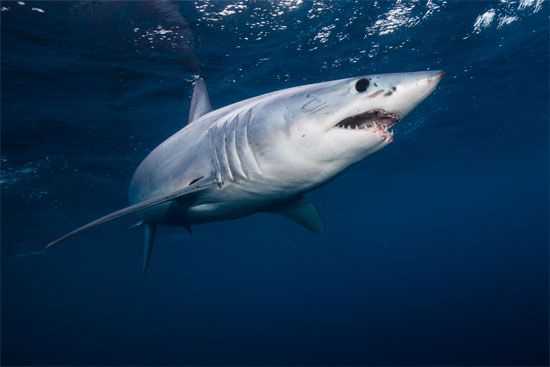
A mako shark is a member of the genus Isurus and belongs to the mackerel shark family, Lamnidae. There are two distinct species: the shortfin mako, which inhabits tropical and temperate seas worldwide, and the longfin mako, which is found in tropical waters.1
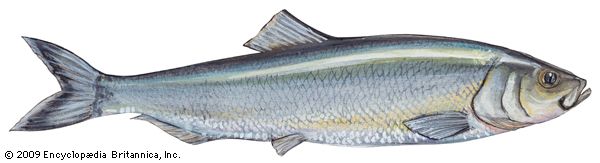
These sharks are characterized by their streamlined bodies, pointed snouts, crescent-shaped tails, and long, slender teeth. They are known for being swift, active, and potentially dangerous. Physically, they can reach lengths of up to 4.5 meters (14.8 feet) and weigh over 500 kg (1,100 pounds). Their diet consists primarily of fishes like herring, mackerel, and swordfish, as well as small cetaceans.1
Due to their fighting spirit and tendency to leap from the water, they are highly regarded as game and food fish.1
How do mako sharks compare to great white sharks?
Mako sharks and great white sharks are both powerful, predatory members of the mackerel shark family, Lamnidae, but they differ in size, bite force, and evolutionary history.
Physical Comparison
- Size: The great white shark is the larger of the two, reaching lengths of about 6 meters (20 feet). In contrast, the largest adult mako sharks typically reach up to 4.5 meters (14.8 feet) and weigh over 500 kg (1,100 pounds).12
- Bite Force: While both possess formidable jaws, the great white shark holds one of the strongest bite forces in the animal kingdom, estimated at 18,000 newtons. The strongest bite force physically measured in a shark belongs to a mako, at approximately 13,000 newtons.3
- Feeding: Great whites are known for their “bite and spit” or “bite and wait” ambush strategy, often targeting seals and dolphins. Makos are exceptionally swift, streamlined swimmers that frequently feed on fast-moving prey like tuna, marlin, and swordfish.312
Evolutionary Connection
Interestingly, some scientific hypotheses suggest that modern white sharks may have descended from a lineage of ancient broad-toothed mako sharks, specifically Carcharodon hastalis, rather than the extinct megalodon.4
What adaptations allow mako sharks to swim so fast?
Mako sharks are among the fastest swimmers in the ocean, a capability driven by several key physical adaptations. Their bodies are highly streamlined and slender, which minimizes drag as they move through the water. This efficient, hydrodynamic shape allows them to maintain high speeds while pursuing agile prey like swordfish and mackerel.1
Additionally, mako sharks possess a crescent-shaped tail, which is a hallmark of high-performance swimmers in the mackerel shark family. This tail structure provides the powerful propulsion necessary for their characteristic bursts of speed and their ability to perform repeated, explosive leaps out of the water.1
While the provided information highlights their streamlined form and tail structure as primary factors for their speed, we could dive deeper into the physiological mechanisms, such as their specialized circulatory systems or muscle composition, that support this high-energy lifestyle.
What are the main differences between shortfin and longfin makos?
The genus Isurus consists of two distinct species of mako sharks, which differ primarily in their geographical distribution and physical characteristics.
- Shortfin Mako (Isurus oxyrinchus): This species is widely distributed across all tropical and temperate seas worldwide.1
- Longfin Mako (I. paucus): In contrast, the longfin mako has a more restricted range, being found scattered throughout tropical seas.1
While both species share the characteristic streamlined body, pointed snout, and crescent-shaped tail common to the mackerel shark family, they are distinguished by the specific environmental niches they occupy. Both are known for being swift, active, and potentially dangerous predators that feed on fish such as herring, mackerel, and swordfish.1
Sources
- mako shark — Encyclopædia Britannica
- chondrichthyan - Sharks — Encyclopædia Britannica
- How strong is a shark’s bite? — Encyclopædia Britannica
- white shark - Evolution — Encyclopædia Britannica
- shark - Description and habits — Encyclopædia Britannica
Published on · 3 min read