Megalodon
The extinction of the megalodon is primarily attributed to shifting food-chain dynamics rather than climate change alone. While earlier theories suggested…
What theories exist about why the megalodon went extinct?
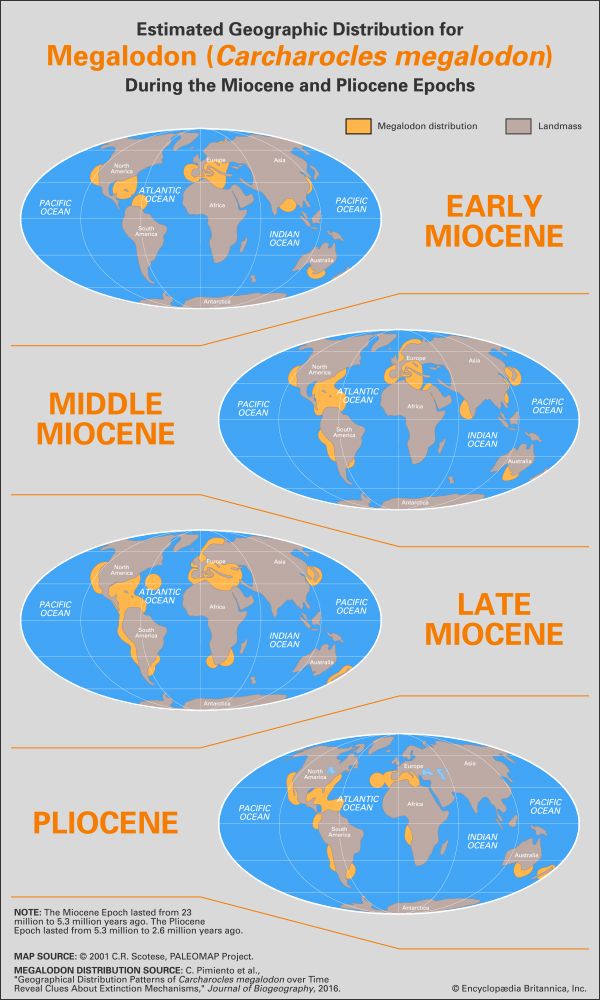
The extinction of the megalodon is primarily attributed to shifting food-chain dynamics rather than climate change alone. While earlier theories suggested that global cooling and drying—potentially triggered by the formation of the Isthmus of Panama—drove the species to extinction, recent research indicates that their geographic distribution did not fluctuate significantly with temperature shifts.12
Instead, the decline is linked to two major factors:
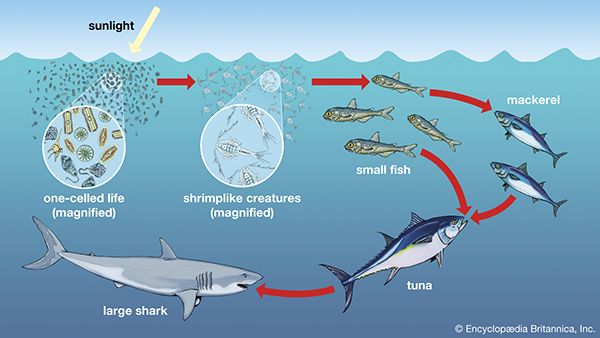
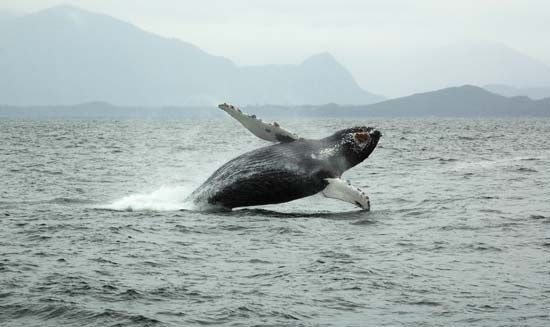
- Reduced Prey Availability: The population of baleen whales, the megalodon’s primary food source, decreased during this period.12
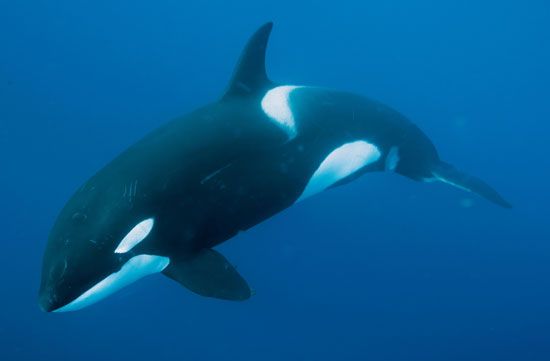
- Increased Competition: The rise of formidable new predators, including smaller sharks like the great white shark and whales such as the killer whale, created intense competition for dwindling resources.12
These pressures caused megalodon populations to crash. While some fossil evidence has been debated, most scientists agree the species went extinct between 3.6 million and 2.6 million years ago.12
What can we learn about the megalodon’s diet from fossil evidence?
Because sharks lack bones, our understanding of the megalodon diet is derived primarily from its abundant fossil teeth. These remains provide significant insights into the creature’s role as an apex predator:34
- Dietary Range: Fossil evidence indicates that megalodons were top carnivores that consumed a wide variety of marine life, including fish, seals, dolphins, and sirenians like manatees and dugongs.32
- Primary Prey: Scientists believe baleen whales were the megalodon’s main food source. The decline of these whales is considered a primary factor in the species’ eventual extinction.45
- Developmental Differences: Evidence suggests that diet shifted with age. While adults hunted large whales, juvenile megalodons likely targeted smaller prey.2
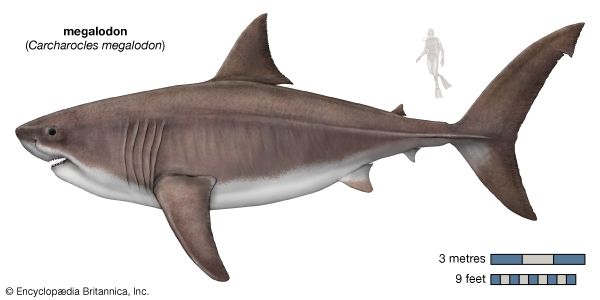
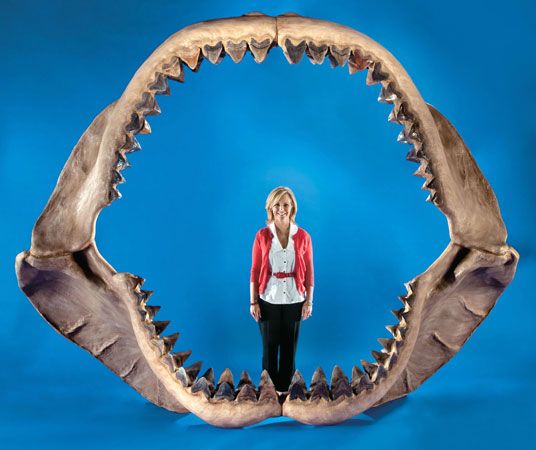
- Feeding Capacity: With a mouth nearly 10 feet wide and teeth reaching up to 6.9 inches in length, the megalodon possessed an incredibly powerful bite. It is estimated that these sharks required approximately 2,500 pounds of food per day to sustain their massive size.3
Are there any living shark species that are closely related to megalodons?
The question of whether any living shark species is closely related to the megalodon is a subject of ongoing scientific debate, with two primary, competing hypotheses:56
- The Megatooth Lineage: Some paleontologists classify the megalodon within the family Otodontidae (megatooth sharks), which traces its origins back to the Cretaceous Period. Under this view, the megalodon is not a direct ancestor of modern sharks, but rather a member of a distinct, extinct lineage.56
- The Lamnid Lineage: Other researchers argue that the megalodon and the modern white shark (Carcharodon carcharias) share a closer evolutionary relationship, placing them within the same family, Lamnidae. Proponents of this view point to similarities in tooth structure, such as serrations, as evidence of a shared lineage.5
However, many modern studies suggest that these similarities may be the result of convergent evolution, where similar traits evolve independently in different lineages. Current research often favors the theory that modern white sharks evolved from a line of ancient mako sharks, specifically through a chronospecies lineage starting with Carcharodon hastalis, rather than descending from the megalodon.56
When did the megalodon live and when did it go extinct?
The megalodon thrived during the Miocene and Pliocene epochs, though its exact extinction date remains a subject of scientific discussion.1
- Extinction Timeline: While many researchers previously believed the species went extinct around the Pliocene-Pleistocene boundary, approximately 2.58 million years ago, more recent analysis suggests an earlier date. Validated fossil data indicates the megalodon likely died out near the end of the Zanclean Stage, roughly 3.6 million years ago.1
- Causes of Decline: The species’ demise was likely driven by shifts in food-chain dynamics rather than climate change alone. As the availability of baleen whales—the megalodon’s primary food source—decreased, competition from smaller predatory sharks and whales increased, ultimately leading to the population’s collapse.1
Sources
- megalodon - Extinction — Encyclopædia Britannica
- What Happened to the Megalodon? — Encyclopædia Britannica
- 10 Fascinating Facts About Megalodon — Encyclopædia Britannica
- megalodon - Predators and prey — Encyclopædia Britannica
- megalodon - Paleontology — Encyclopædia Britannica
- white shark - Evolution — Encyclopædia Britannica
- megalodon — Merriam-Webster
Published on · 3 min read