Andaman Sea
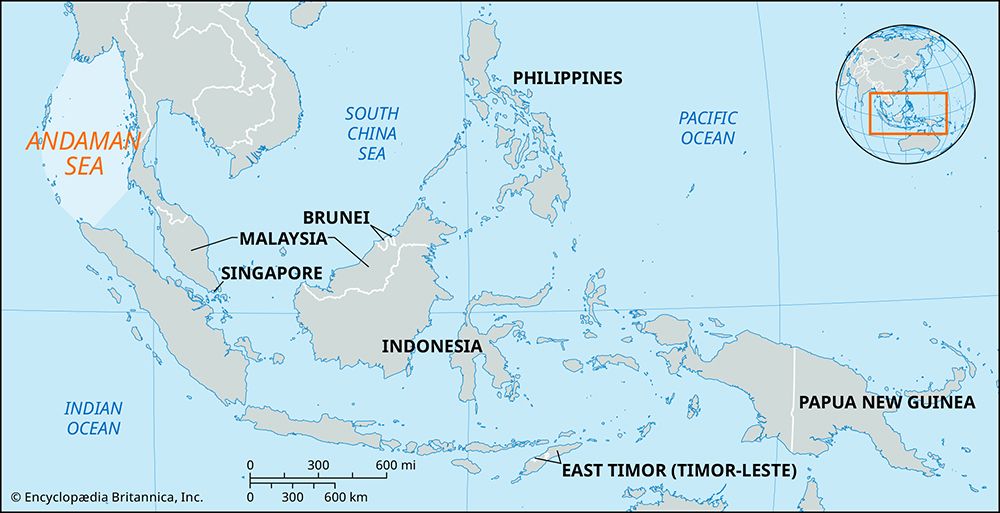
The Andaman Sea hosts diverse marine and coastal ecosystems, most notably characterized by extensive mangrove swamps that surround its harbours and tidal…
What are some of the unique marine ecosystems and species found in the Andaman Sea?
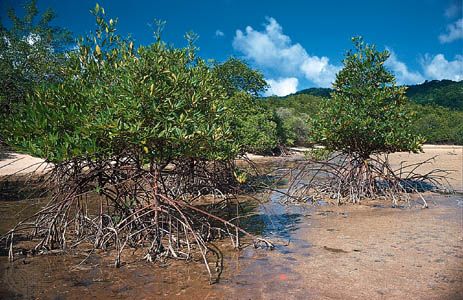
The Andaman Sea hosts diverse marine and coastal ecosystems, most notably characterized by extensive mangrove swamps that surround its harbours and tidal creeks. These mangroves serve as vital keystone species, acting as essential nursery habitats for various fish, crabs, and shrimp, while protecting shorelines from erosion and storm surges.12
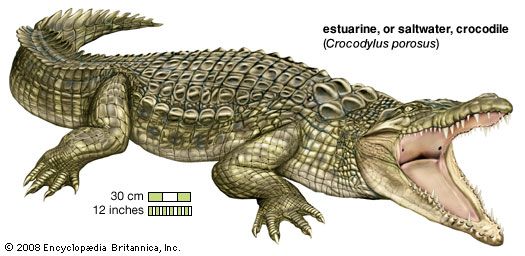
The coastal waters of the region are abundant with marine life, including saltwater crocodiles, sea snakes, and various species of turtles. Among the notable marine mammals found in these waters are whales, dolphins, and the dugong (Dugong dugon). Additionally, the waters along the Malay Peninsula are particularly favourable for molluscan growth and support approximately 250 edible species of fish.13
It is important to note that while the Andaman Sea supports these ecosystems, many species in the region have yet to be documented systematically.1
How has the 2004 Indian Ocean tsunami affected the Andaman Sea region?
The 2004 Indian Ocean tsunami, triggered by a magnitude 9.1 earthquake off the coast of Sumatra, Indonesia, caused catastrophic destruction across the Andaman Sea region. The resulting series of immense waves inundated coastal areas, leading to widespread loss of life and significant displacement of populations.5671
The Andaman and Nicobar Islands territory was particularly hard-hit, with tens of thousands of people reported dead or missing. The lower-lying Nicobar Islands suffered the most severe impact, as significant portions of their landmass were submerged by the tidal waves. Beyond the immediate human toll, the disaster caused severe long-term environmental damage, destroying fishing grounds and contaminating farmland with salt water.561
In the aftermath, the devastation highlighted a critical lack of regional preparedness. This prompted the Indian government to develop its own tsunami early warning system, which became operational in 2007, and contributed to the establishment of the international Indian Ocean Tsunami Warning and Mitigation System. Memorials were also established in the Andaman and Nicobar Islands to honor the victims of the tragedy.6
What are some popular tourist destinations along the Andaman Sea coast, and why are they famous?
The Andaman Sea coast is home to several world-renowned tourist destinations, celebrated for their natural beauty, historical significance, and recreational opportunities.
Popular Destinations
- Phuket (Thailand): As one of the most popular seaside resorts in Southeast Asia, this island is famous for its sandy beaches and its history as a major center for tin mining. It serves as a vital commercial hub and a gateway for travelers exploring the region.89
- Andaman and Nicobar Islands (India): This union territory is highly regarded by ecotourists and trekkers for its diverse natural environment, including numerous parks, gardens, and sanctuaries. It is also famous for historical sites like the Andaman Cellular Jail, which offers insight into the region’s colonial past.1011
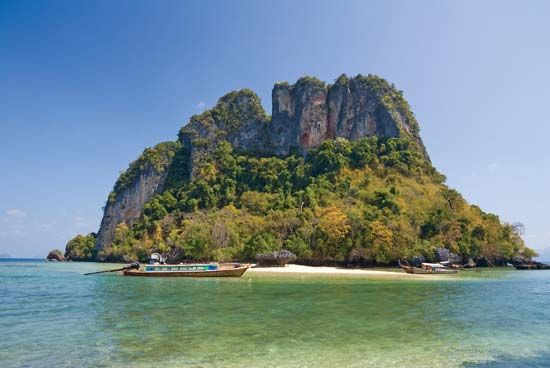
- Langkawi Island (Malaysia): Located in the Strait of Malacca, this island is a favorite for its scenic beaches, waterfalls, hot springs, and historic caves. Its steep limestone hills are particularly popular among rock climbers.1
- Phi Phi Islands (Thailand): Known for their stunning landscapes, these islands are among the most frequented destinations in the region, often visited alongside Phuket for their picturesque coastal scenery.8
These locations are celebrated for their unique blend of tropical landscapes, rich cultural history, and accessibility for international travelers.
Are there any significant island groups within the Andaman Sea, and what are their characteristics?
The Andaman Sea features several significant island groups, primarily formed as part of a great island arc that extends from the Rakhine Mountains in the north to the Mentawai Ridge in the south.14
Andaman and Nicobar Islands
This union territory of India forms the western boundary of the Andaman Sea.1516
- Andaman Islands: Comprising more than 300 islands, this group is characterized by dome-shaped hill ranges, dense forests, and scarce flat land. The major islands—North, Middle, and South Andaman—are collectively known as Great Andaman collectively known as Great Andaman.1516
- Nicobar Islands: Located to the south, these islands have more diverse terrain than the Andamans. Some, like Car Nicobar, feature flat, coral-covered surfaces, while others, such as Great Nicobar, are hilly with fast-flowing streams and significant fresh surface water.14
Mergui Archipelago
Located off the coast of southeastern Myanmar, this group consists of more than 200 islands. These islands are generally mountainous and covered in dense jungle, known for their scenic beauty. The archipelago supports industries such as pearl fishing, mining for tin and tungsten, and the collection of edible birds’ nests.1
Sources
- Andaman Sea — Encyclopædia Britannica
- Andaman and Nicobar Islands - Plant and animal life — Encyclopædia Britannica
- mangrove: Top Questions — Encyclopædia Britannica
- Sundarbans National Park — Encyclopædia Britannica
- 12 of the World’s Deadliest Natural Disasters - Indian Ocean tsunami of 2004 — Encyclopædia Britannica
- Andaman and Nicobar Islands - History — Encyclopædia Britannica
- Indian Ocean tsunami of 2004 — Encyclopædia Britannica
- Thailand - Relief — Encyclopædia Britannica
- Andaman and Nicobar Islands - Tourism — Encyclopædia Britannica
- Langkawi Island — Encyclopædia Britannica
- Andaman and Nicobar Islands — Encyclopædia Britannica
- Thailand - Services — Encyclopædia Britannica
- Phuket — Encyclopædia Britannica
- Andaman and Nicobar Islands - Relief and drainage — Encyclopædia Britannica
- Mergui Archipelago — Encyclopædia Britannica
- Andaman Islands — Encyclopædia Britannica
Published on · 3 min read