Microcycas
Microcycas is a genus comprising a single species of palmlike cycad known as the corcho (Microcycas calocoma), which is native to Cuba.
What is Microcycas?
Microcycas is a genus comprising a single species of palmlike cycad known as the corcho (Microcycas calocoma), which is native to Cuba.12
Belonging to the family Zamiaceae, this plant is characterized by a columnar habit and can reach heights of 9 meters (30 feet) or more. Because of its appearance, it is frequently mistaken for a palm. Due to its limited population, it is currently classified as critically endangered on the IUCN Red List of Threatened Species.12
What are the main differences between cycads and palm trees?
While cycads and palm trees are often mistaken for one another due to their similar appearance—specifically their crowns of large, feathery, pinnately compound leaves—they are fundamentally different types of plants.3456
The primary differences include:
- Classification: Cycads are gymnosperms, a group of seed-bearing plants that do not produce flowers or fruit. In contrast, palm trees are angiosperms, or flowering plants.475
- Reproduction: Cycads are cone-bearing plants. They are dioecious, meaning male and female reproductive structures are found on separate plants. Male plants produce pollen in cones, which is typically wind-dispersed to female plants. Most cycads produce female cones, though the genus Cycas bears seeds on modified leaves rather than in compact cones.4157
- Anatomy: Cycad stems feature a large, fleshy pith surrounded by a narrow zone of wood, making them less dense than many other woody plants. They also often possess a persistent “armour” on their trunks formed by stiff, scalelike leaves called cataphylls.45
Why are cycads considered ancient plants?
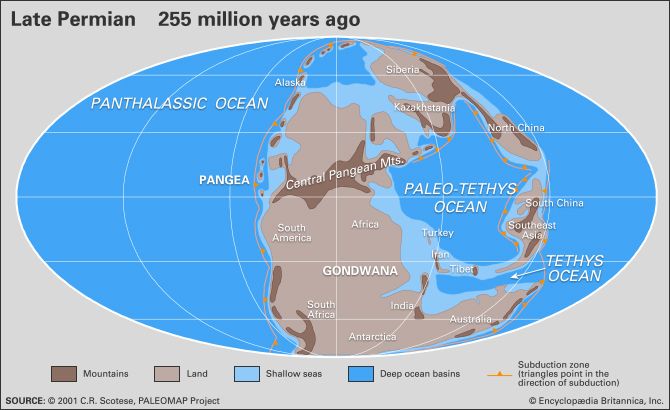
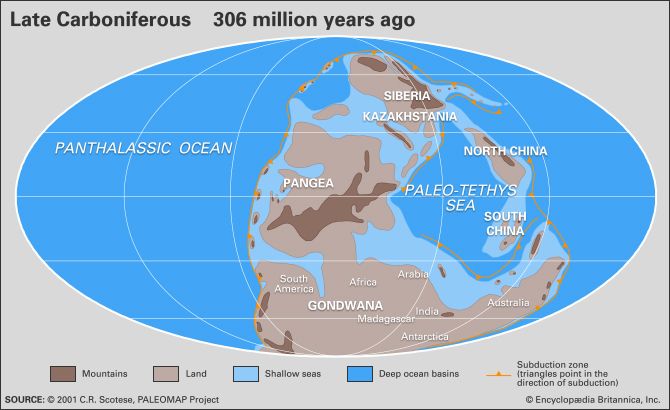
Cycads are considered ancient plants because they belong to a lineage that has existed for hundreds of millions of years, with their origins tracing back to the Permian Period (approximately 299 to 252 million years ago) and potentially even the Carboniferous Period. They were so abundant and widespread during the Mesozoic Era (252 to 66 million years ago) that paleobotanists often refer to that time as the “age of cycads.”84
Their status as “living fossils” is supported by several primitive biological features that have persisted over geological time:
- Reproductive Biology: Cycads rely on flagellated, motile male gametes (spermatozoids) for fertilization, a primitive trait shared with ferns and other vascular cryptogams, rather than the pollen tubes found in more modern seed plants.9
- Evolutionary Links: Studying extant cycads provides scientists with critical insights into the reproductive modes of extinct groups, such as the seed ferns modes of extinct groups, such as the seed ferns.6
- Anatomical Traits: Certain structural characteristics, such as the presence of specific vascular tissues in the stems of genera like Dioon, are considered evidence of their primitive nature, resembling the anatomy of ancient seed ferns.10
What are gymnosperms and how do they reproduce?
Gymnosperms are vascular plants characterized by the production of “naked seeds” or ovules that are not enclosed within an ovary or fruit. Unlike angiosperms, which utilize flowers for reproduction, gymnosperms typically bear their seeds on the scales of cones or exposed on stalks.1415
Reproductive Process
The life cycle of a gymnosperm is dominated by the sporophyte generation, while the gametophyte phase is microscopic and dependent on the sporophyte.1615
- Pollen Production: Male cones, or microstrobili, produce microspores within microsporangia. These develop into pollen grains, which are the male gametophytes.16
- Pollination: Pollen is transported by wind or insects to the female megastrobili. In many species, a sticky “pollination droplet” captures the pollen, drawing it into the megasporangium.16
- Fertilization: A pollen tube grows toward the archegonium, delivering sperm to the egg. Upon union, a diploid zygote forms, which develops into an embryo nourished by the female gametophyte tissue.1615
Sources
- Microcycas — Encyclopædia Britannica
- list of cycads — Encyclopædia Britannica
- Did you know? — Merriam-Webster
- cycad — Encyclopædia Britannica
- Cycas — Encyclopædia Britannica
- cycadophyte - Cycads — Encyclopædia Britannica
- gymnosperm - Cycadophyta — Encyclopædia Britannica
- cycadophyte - Cycadeoids — Encyclopædia Britannica
- cycadophyte - Stem — Encyclopædia Britannica
- gymnosperm - Appearance of gymnosperm divisions — Encyclopædia Britannica
- Cycadeoidophyta — Encyclopædia Britannica
- cycadophyte — Encyclopædia Britannica
- cycadophyte - Distribution and abundance — Encyclopædia Britannica
- gymnosperm - General features — Encyclopædia Britannica
- plant reproductive system - Seed plants — Encyclopædia Britannica
- plant - Flowers — Encyclopædia Britannica
- gymnosperm — Encyclopædia Britannica
Published on · 3 min read