Micronesian Culture
Colonization has profoundly reshaped Micronesian culture over the centuries, often at a significant cost to indigenous traditions and populations.
How has colonization influenced Micronesian culture over the centuries?
Colonization has profoundly reshaped Micronesian culture over the centuries, often at a significant cost to indigenous traditions and populations.
Beginning with Spanish control in 1668, the Chamorro people experienced severe population decline due to warfare and introduced diseases, falling from approximately 100,000 to 4,000 individuals. Many survivors were relocated to colonial settlements, and intermarriage with Spanish and Filipino troops led to the destruction of much of their traditional culture.1
Subsequent colonial powers—including Germany, Britain, the United States, and Japan—further altered the region through:
- Economic Shifts: Colonial administrations introduced plantation economies, such as copra and sugarcane, and phosphate mining, which shifted societies from self-sufficient subsistence to wage-based, import-dependent economies.12
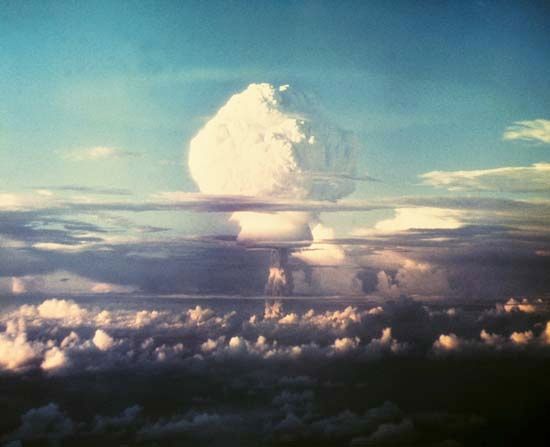
- Strategic Exploitation: Micronesia’s location made it a site for military bases and nuclear testing. U.S. atomic testing in the Marshall Islands caused severe, long-term health and environmental damage, including radiation-related illnesses and the displacement of islanders.3
- Social Transformation: Modern settlement patterns have shifted from rural to urban, leading to high unemployment and significant out-migration to the U.S. and its territories.3
What are some traditional customs and practices in Micronesian societies?
Traditional Micronesian societies were characterized by a deep connection to their environment, a strong emphasis on social stability, and complex kinship structures.
Social Organization and Kinship
- Kinship and Descent: Most societies were organized into extended family groups, with matrilineage serving as the primary method for tracing descent and land rights.5
- Marriage: Practices varied from informal cohabitation to formal exchanges of wealth. Polygyny was generally permitted but typically reserved for high-ranking men or chiefs.5
- Social Hierarchy: Birth order was highly significant; the eldest child often represented the lineage in public and managed family lands. Formal respect was expected between siblings, including “avoidance relationships” in certain areas where brothers and sisters were expected to maintain distance.5
- Adoption: The adoption of relatives’ children was a common practice used to provide homes for orphans, distribute child-rearing duties, and ensure the transfer of specialized knowledge.5
Subsistence and Technology
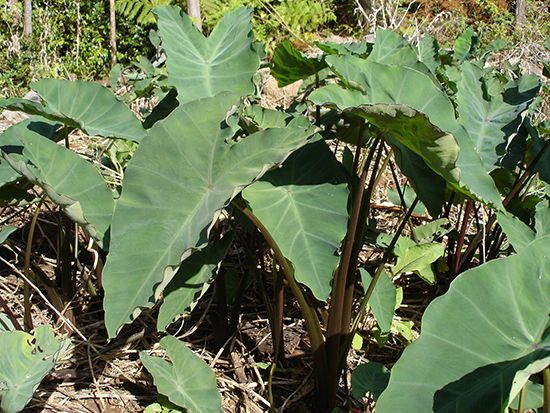
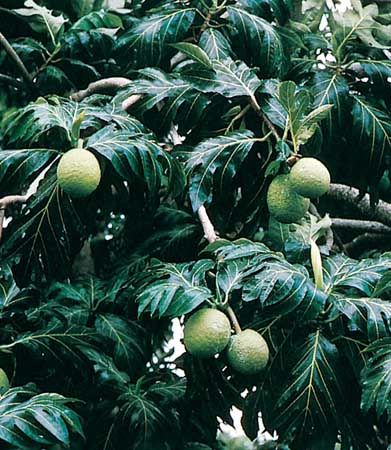
- Livelihood: Life centered on horticulture and fishing. High islanders focused on crops like taro, breadfruit, and yams, while low islanders relied more heavily on fishing and crops like pandanus.6
- Navigation: Micronesians were master mariners. Navigators used “stick charts”—mnemonic devices made of sticks, fiber, and shells—to read ocean swells and navigate between islands.7
Arts and Customs
- Performance: Oratory was a highly valued art form, with experts known as itang serving as counselors and ambassadors. Music and dance were often used to decorate poetry, with movements focusing on the hands and arms.8910
- Ornamentation: Tattooing was a widespread practice for both sexes, often performed at puberty to demonstrate bravery and enhance attractiveness.8
We could dive deeper into the specific navigation techniques that allowed these societies to traverse the Pacific, or perhaps explore the role of the men’s meetinghouses in community life.
How do Micronesians navigate the vast Pacific Ocean using traditional methods?
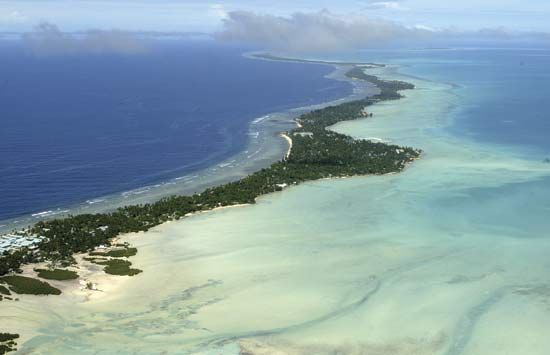
Traditional Micronesian navigation was a highly specialized skill, primarily mastered by low-island peoples in areas like the central Carolines and the Marshall Islands, who relied on oceangoing canoes to travel between islands for resources, refuge, and social connections.12
To navigate the open ocean, these skilled mariners utilized complex navigation aids known as “stick charts.” These mnemonic devices, constructed from sticks, fiber, and shells, allowed navigators to interpret and track the patterns of ocean swells and waves.12
The transmission of this knowledge was a formal process, typically occurring in young adulthood or middle age. Skills were passed down from older, experienced relatives to apprentices, though instruction could sometimes be provided to outsiders in exchange for food and goods. The significance of these traditions extends into the modern era; for instance, the Satawalese navigator Mau Piailug played a pivotal role in the 20th-century revival of Pacific voyaging by training others in these ancient techniques.512
How has Christianity influenced Micronesian culture since its introduction?
The introduction of Christianity significantly transformed Micronesian societies, particularly following the intensification of missionary efforts in the 19th century. By 1900, Christianity had become well-established across most major centers, leading to the decline of traditional religious practices, although some indigenous beliefs persisted in areas like Yap and the central Carolines until the mid-20th century.13
The influence of missionaries was profound and multifaceted:
- Social and Political Restructuring: Missionaries actively sought to dissolve traditional social ties by challenging the supernatural sanctions that supported indigenous leadership and social mores. They often acted as political advisers and intermediaries, introducing European goods and influencing the development of new legal codes.14
- Religious Transition: Traditional Micronesian religion, which involved polytheism, the veneration of ancestral spirits, and the use of specialists for healing and community crises, was largely replaced by Christian faith.13
- Evangelization: While early efforts were often led by foreign missionaries, the eventual “total evangelization” of the Pacific was largely achieved through the efforts of indigenous Christian converts who spread the faith across the islands.8
Sources
- Micronesian culture — Encyclopædia Britannica
- Micronesian culture - Contemporary Micronesia — Encyclopædia Britannica
- Northern Mariana Islands - German and Japanese control — Encyclopædia Britannica
- Micronesian culture - High-island and low-island cultures — Encyclopædia Britannica
- Micronesian culture - The Micronesian way of life — Encyclopædia Britannica
- Micronesian culture - Kinship and marriage — Encyclopædia Britannica
- Oceanic literature - Polynesia and Micronesia — Encyclopædia Britannica
- Micronesian culture - Socialization and education — Encyclopædia Britannica
- Micronesian culture - Art of Micronesian culture — Encyclopædia Britannica
- Oceanic music and dance - Micronesia — Encyclopædia Britannica
- Micronesian culture - Production and technology — Encyclopædia Britannica
- navigation - Development of marine navigation — Encyclopædia Britannica
- Micronesian culture - Religion — Encyclopædia Britannica
- Pacific Islands - Missionary activity — Encyclopædia Britannica
- Christianity - Missions to South East Asia and the Pacific — Encyclopædia Britannica
- Micronesian culture - Social hierarchy and political organization — Encyclopædia Britannica
Published on · 4 min read