Northern Mariana Islands
Following World War II, the Northern Mariana Islands were administered by the United States as part of the Trust Territory of the Pacific Islands under a…
How did the Northern Mariana Islands become a U.S. commonwealth, and what is their current political status?
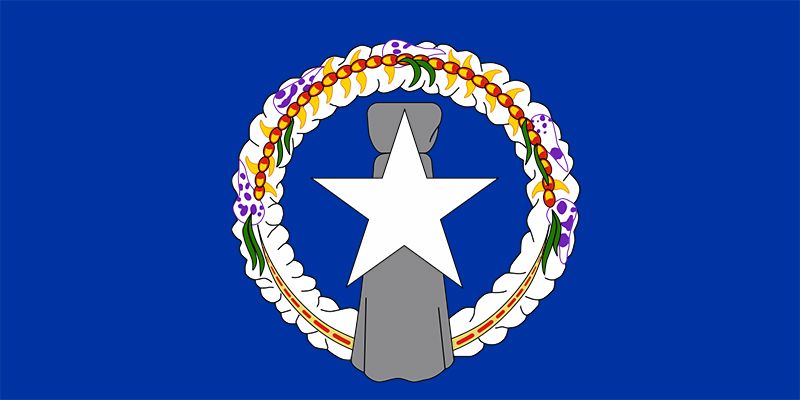
Following World War II, the Northern Mariana Islands were administered by the United States as part of the Trust Territory of the Pacific Islands under a United Nations mandate. In 1973, the islands began separate status negotiations with the U.S., leading to a 1975 plebiscite where residents voted for commonwealth status. This political union was formalized through a Covenant Agreement, and the trusteeship officially ended on November 4, 1986.12
Currently, the Northern Mariana Islands exist in political union with the United States. Residents are U.S. citizens. The commonwealth operates under its own constitution, with a governor as the head of government and a bicameral legislature. While the islands elect a delegate to the U.S. House of Representatives, this representative may introduce legislation but can only vote in committees. Unlike U.S. states, the commonwealth is exempt from certain federal taxes, such as federal income tax, though residents pay other federal taxes.213
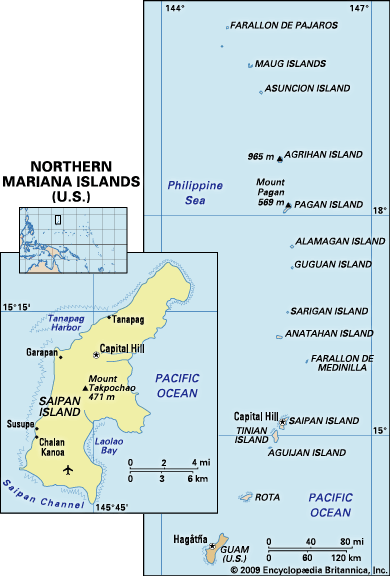
What is the geographical location and composition of the Northern Mariana Islands?
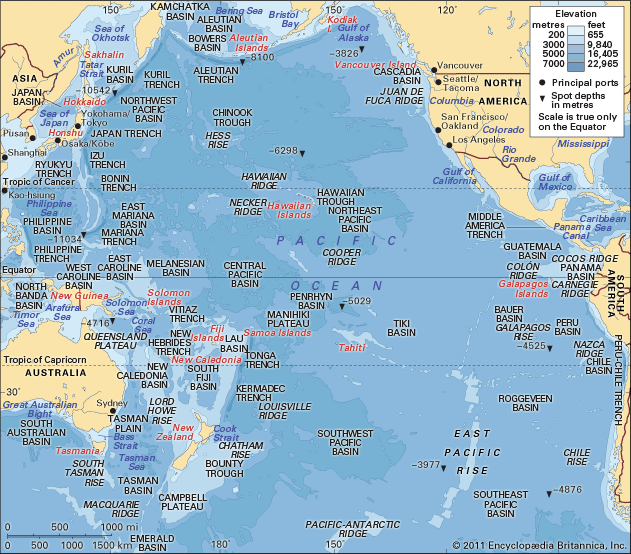
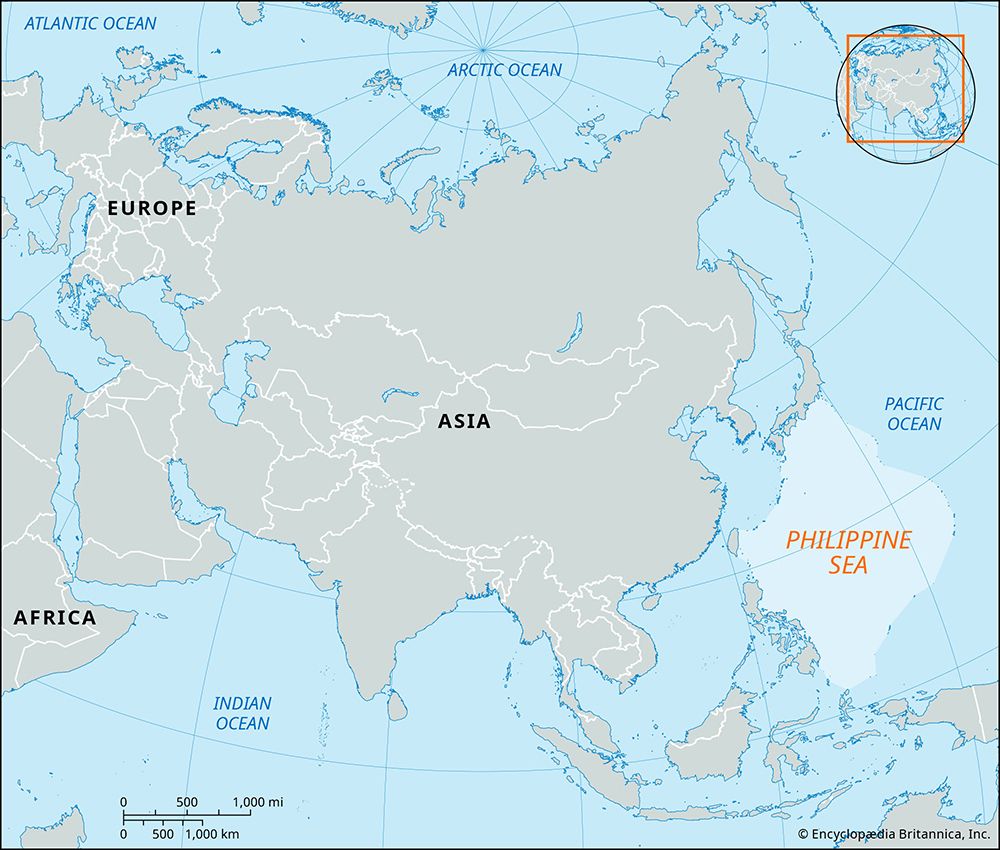
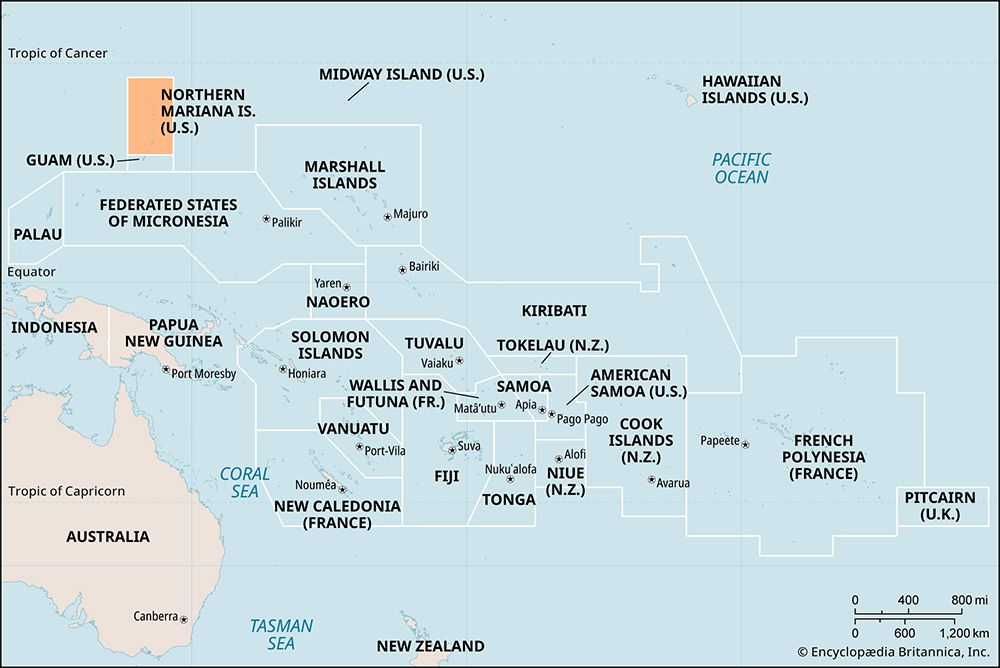
The Northern Mariana Islands are located in the western Pacific Ocean, forming part of an island arc that extends about 450 miles north of Guam. This chain serves as a boundary between the Philippine Sea and the Pacific Ocean, rising from the Marianas Trench as the peaks of a massive undersea mountain range.56
The commonwealth is composed of 14 islands and islets with a total land area of approximately 184 square miles (478 square kilometers). Geologically, the islands are divided into two distinct types:57
- Southern Islands: These islands, including Saipan, Tinian, Rota, and Aguijan, are primarily composed of uplifted coral reefs and limestone, characterized by gently rolling elevations5.8
- Northern Islands: These are volcanic peaks, many of which remain active, such as Agrihan, Asuncion, and Farallon de Pajaros.568
How is education structured in the Northern Mariana Islands, and what opportunities are available for higher learning?
Education in the Northern Mariana Islands is structured to provide mandatory schooling for all children. Attendance is compulsory for students between the ages of 6 and 16, and all inhabited islands are equipped with primary schools to serve their local populations.1
For secondary education, students have access to both public and church-run institutions, which are primarily located on the island of Saipan.1
Opportunities for higher learning are centered around the Northern Marianas College, a public institution established in 1981. The college maintains its main campus on Saipan, with additional branch campuses located on the islands of Tinian and Rota. Furthermore, many students from the commonwealth pursue university degrees at regional institutions, most notably the University of Guam and the University of Hawaii.1
How does the economy of the Northern Mariana Islands function, and what are its primary industries?
The economy of the Northern Mariana Islands is primarily driven by tourism, with Saipan and Rota serving as the main centers for visitors, who are predominantly from Japan and the United States. To supplement cash income, many islanders engage in subsistence farming, cultivating crops such as taro, yams, breadfruit, and bananas.9
Historically, the garment industry became a major economic pillar due to duty-free and quota-free access to the U.S. mainland, attracting significant investment from China and the Philippines. However, this sector faced severe criticism regarding labor exploitation and poor working conditions. In response, the U.S. government implemented minimum-wage legislation and labor reforms in 2007. These changes, combined with increased global competition and infrastructure damage from typhoons, have significantly impacted the industry’s viability.92
We could dive deeper into the specific impact of U.S. federal policies on the islands’ economic development or explore the role of infrastructure in supporting the tourism sector.
Sources
- Northern Mariana Islands - Government and society — Encyclopædia Britannica
- Northern Mariana Islands - Events since c. 1950 — Encyclopædia Britannica
- What's the difference between a commonwealth and a state? — Merriam-Webster
- commonwealth — Encyclopædia Britannica
- Northern Mariana Islands — Encyclopædia Britannica
- Northern Mariana Islands — Merriam-Webster
- Mariana Islands — Encyclopædia Britannica
- Northern Mariana Islands - Land — Encyclopædia Britannica
- Northern Mariana Islands - Economy of the Northern Mariana Islands — Encyclopædia Britannica
Published on · 3 min read