Monopleura
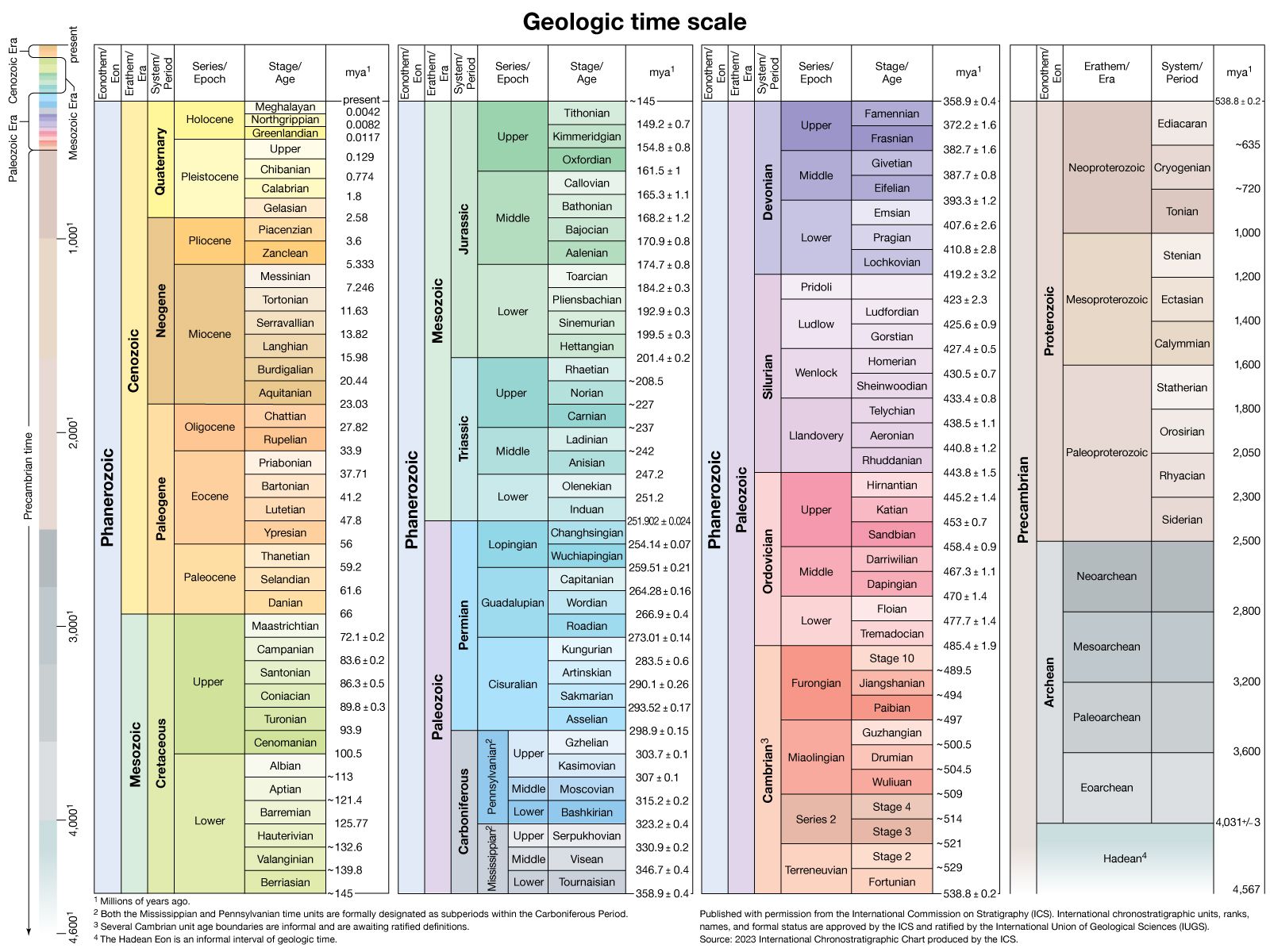
Monopleura is a genus of extinct, unusual bivalves (clams) that lived during the Cretaceous Period, approximately 145.5 million to 65.5 million years ago.
What is Monopleura?
Monopleura is a genus of extinct, unusual bivalves (clams) that lived during the Cretaceous Period, approximately 145.5 million to 65.5 million years ago.1
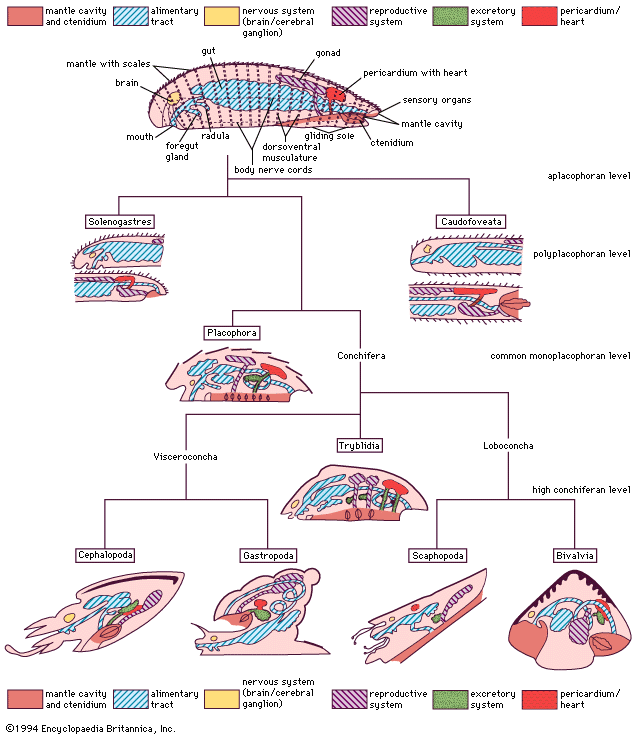
These organisms are classified as pachyodonts, a group of aberrant clams characterized by their thick, heavy shells. The shell of Monopleura typically features a large, triangular, thick-walled valve capped by a smaller, dome-shaped valve. In terms of their lifestyle, these animals were sedentary; they grew in an upright position, anchoring their pointed ends into the substrate. Some members of this pachyodont group also possessed open passageways through their shells, which facilitated the movement of fluids.1
What are pachyodonts and how do they differ from modern clams?
Pachyodonts are a group of extinct, aberrant bivalves that lived during the Cretaceous Period. They are distinguished by their exceptionally thick, heavy shells, which often featured a large, triangular valve capped by a smaller, dome-shaped one.1
Unlike many modern clams, which are typically adapted for a burrowing lifestyle using a muscular foot, pachyodonts were sedentary organisms. They grew in an upright position, anchoring their pointed ends directly into the substrate. Some pachyodonts also possessed unique open passageways through their shells, which allowed for the movement of fluids, a feature not commonly found in modern bivalve species.14
While modern bivalves have evolved diverse strategies—such as burrowing, filter-feeding, or attaching to hard surfaces via a byssus—to survive in various aquatic environments, the pachyodonts represent a specialized evolutionary path characterized by their massive shell structure and stationary habit.14
Why did rudist bivalves evolve such thick, conical shells?
Rudist bivalves evolved their characteristic thick, conical shells primarily as an adaptation to their role as the dominant framework builders of Cretaceous Period reeflike structures.7
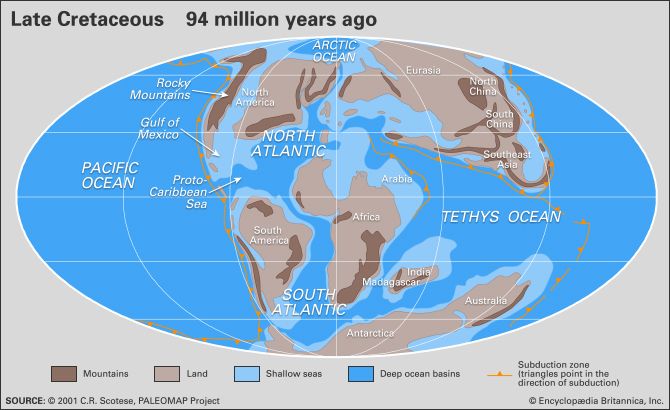
Unlike many modern bivalves that rely on burrowing or byssal attachment to soft sediments, rudists were sedentary organisms that functioned similarly to corals. Their specialized morphology—consisting of one large, thick-walled, cylindrical or conical valve and a smaller, lid-like valve—provided the structural integrity necessary to build massive, reef-like colonies in the Tethyan region.879
This evolutionary path allowed them to outcompete corals as the primary reef builders of their time. The massive, heavy shell structure served as a stable foundation, enabling these organisms to thrive in high-energy, wave-swept environments where they could securely anchor themselves to firm substrates. By occupying this ecological niche, rudists became essential components of the marine ecosystem, and their fossilized remains today serve as significant reservoir rocks for petroleum in various parts of the world.78
What role do fossils like Monopleura play in identifying the Cretaceous Period?
Monopleura are a genus of extinct, aberrant bivalves known as pachyodonts, which serve as important indicators for the Cretaceous Period.1
In the study of geologic time, fossils like Monopleura and other rudist bivalves are used to subdivide and correlate sedimentary rocks on a local or regional scale. Because these organisms were sedentary and often restricted to specific environments—such as the warm waters of the Tethyan region—they help geologists define biostratigraphic zones.1314
While they are not as widely employed for global correlation as free-swimming ammonites or planktonic organisms, they are essential for zoning Cretaceous sediments in specific areas, including parts of Europe. By identifying the presence of these distinctively shaped, thick-shelled fossils, researchers can better understand the environmental conditions and temporal boundaries of the Cretaceous era.131
Sources
- Monopleura — Encyclopædia Britannica
- list of mollusks — Encyclopædia Britannica
- Rudista — Merriam-Webster
- bivalve - Ecology and habitats — Encyclopædia Britannica
- holostean - Evolution — Encyclopædia Britannica
- dinosaur - Pachycephalosauria — Encyclopædia Britannica
- bivalve - Size range and diversity of structure — Encyclopædia Britannica
- Cretaceous Period - Marine life — Encyclopædia Britannica
- bivalve - External features — Encyclopædia Britannica
- Cretaceous Period - Paleoclimate — Encyclopædia Britannica
- Jurassic Period - Protists and invertebrates — Encyclopædia Britannica
- bivalve — Encyclopædia Britannica
- index fossil — Encyclopædia Britannica
- Cretaceous Period - Correlation — Encyclopædia Britannica
Published on · 2 min read