Moonfish
The term "moonfish" is applied to several distinct groups of fish, which can lead to confusion. It is important to clarify that while the name is shared…
What are some of the most well-known species of moonfish in each family, and how are they important to humans?
The term “moonfish” is applied to several distinct groups of fish, which can lead to confusion. It is important to clarify that while the name is shared, these species belong to different families and possess unique characteristics.12
Notable Species and Families
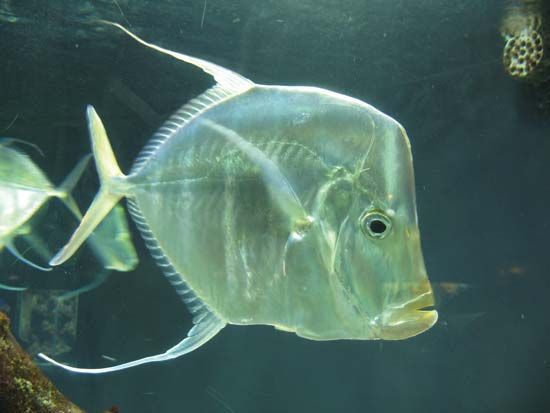
- Family Carangidae: This group includes the Atlantic moonfish (Vomer setapinnis), a thin, deep-bodied fish with a silver or golden hue. Related species include the Pacific Vomer declivifrons and the lookdown (Selene vomer).1
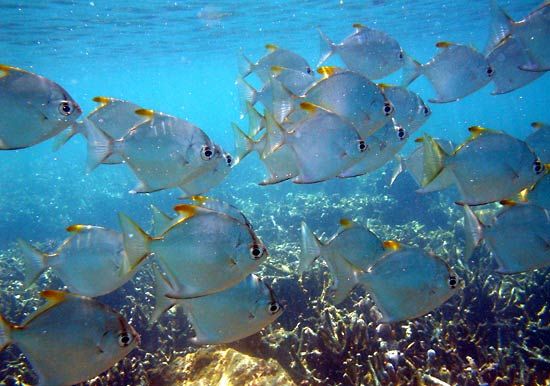
- Family Menidae: The sole member of this family is Mene maculata, an Indo-Pacific species characterized by a sharp-edged chest and silvery skin with dark spots.1
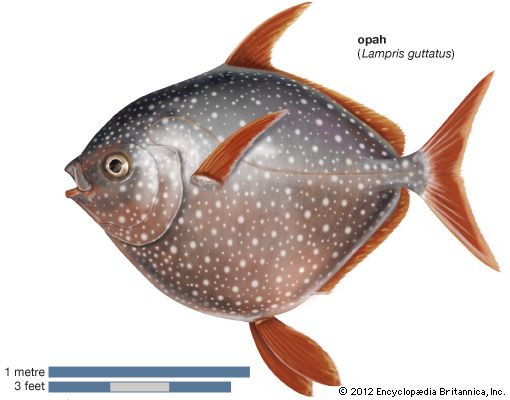
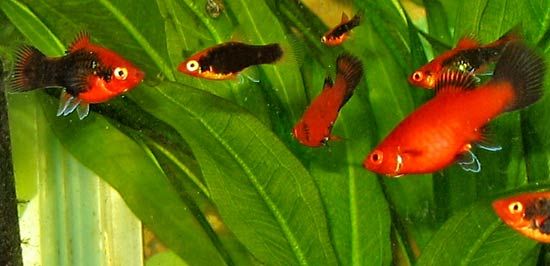
- Other Associations: The name is also used for the opah, the platy, and the fingerfish. Additionally, the mola (ocean sunfish) is a separate, massive group of bony fishes often discussed in oceanic contexts.123
The provided search results do not contain specific information regarding the direct importance of these species to humans.
What are the distinctive physical characteristics of moonfish from the Carangidae and Menidae families?
Moonfish from the families Carangidae and Menidae exhibit distinct physical adaptations suited to their environments.
Family Carangidae
Carangid moonfish, such as Vomer setapinnis, are characterized by a thin, extremely deep body and a slender tail base. Key features include:
- Fins: They possess a forked tail and slim, sickle-shaped pectoral fins. Younger specimens are notable for long, threadlike rays extending from their dorsal and pelvic fins.1
- Coloration: These fish typically display a silver or golden hue.1
- General Morphology: As members of the Carangidae family, they share common traits such as small scales and a lateral line often featuring hard, keeled scales known as scutes.4
Family Menidae
The family Menidae is represented by a single species, Mene maculata, which is closely related to the carangids. Its physical characteristics include:
- Body Shape: It is a thin fish with a very deep, sharp-edged chest.1
- Fins: It features a forked tail, a long anal fin, and an extended, long ray in each pelvic fin.1
- Coloration: The body is silvery and marked with darker spots.1
How do the habitats and geographical distributions of moonfish species differ between these two families?
The habitats and geographical distributions of moonfish species vary significantly between the families Carangidae and Menidae.
Family Carangidae
Carangid moonfish are primarily marine, though some species may inhabit brackish waters or occasionally enter fresh water. As part of the broader Carangidae family, these fish are found globally in warm and tropical regions. Specifically, the Atlantic moonfish (Vomer setapinnis) is found in the western Atlantic Ocean, while related species like the Pacific Vomer declivifrons and the lookdown (Selene vomer) are distributed across both the Atlantic and Pacific oceans.14
Family Menidae
The moonfish of the family Menidae, represented by the species Mene maculata, has a more restricted distribution compared to the widespread carangids. It is an Indo-Pacific fish that thrives in the warm waters of that region. Unlike the diverse range of environments occupied by various carangids, this family consists of only this single species, which is closely allied to the carangids but geographically confined to the Indo-Pacific.4
How do moonfish from the Carangidae and Menidae families differ in their commercial and recreational fishing importance?
The provided search results do not contain specific information regarding the commercial or recreational fishing importance of moonfish from the Carangidae and Menidae families. While the broader Carangidae family includes many species valued for food or sport, the specific data distinguishing the fishing importance of the moonfish species within these two families is not available in the provided knowledge base.
Sources
Published on · 3 min read