Keystone Species
A keystone species is defined by its disproportionately large impact on an ecosystem relative to its abundance. While many species interact within a food…
How do keystone species differ from other important species in an ecosystem?
A keystone species is defined by its disproportionately large impact on an ecosystem relative to its abundance. While many species interact within a food web, keystone species are unique because their presence is essential for maintaining the community’s structure and biodiversity. They achieve this by controlling dominant populations—often as apex predators—or by providing critical resources, such as year-round food, that other species rely on for survival.123
In contrast, other important species categories are often defined by their social or symbolic value rather than their specific ecological function:
- Charismatic Megafauna: These are popular, attractive animals used to generate public interest and funding for conservation.3
- Flagship Species: These serve as ambassadors or symbols for a habitat. While some flagship species (like the sea otter) are also keystone species, many are chosen primarily for their public appeal.3
- Umbrella Species: These are species whose protection indirectly safeguards a wide range of other life forms sharing their habitat.3
Unlike keystone species, which are identified by their functional necessity to the ecosystem, these other categories are often defined by their utility in human-led conservation efforts.3
How do keystone species impact biodiversity in their environments?
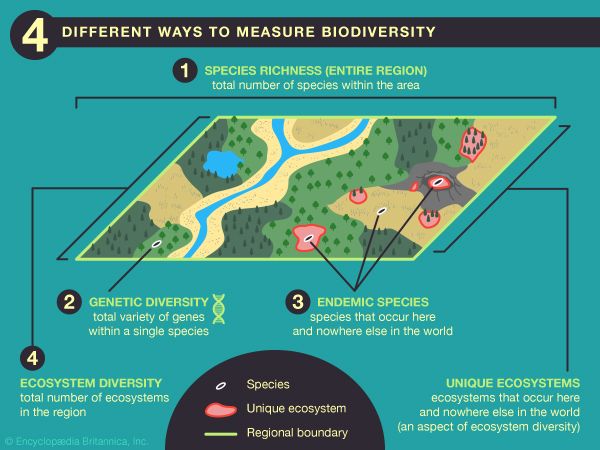
Keystone species play a vital role in maintaining biodiversity by exerting a disproportionately large influence on their biological communities relative to their abundance. They support the structure of these environments through two primary mechanisms:421
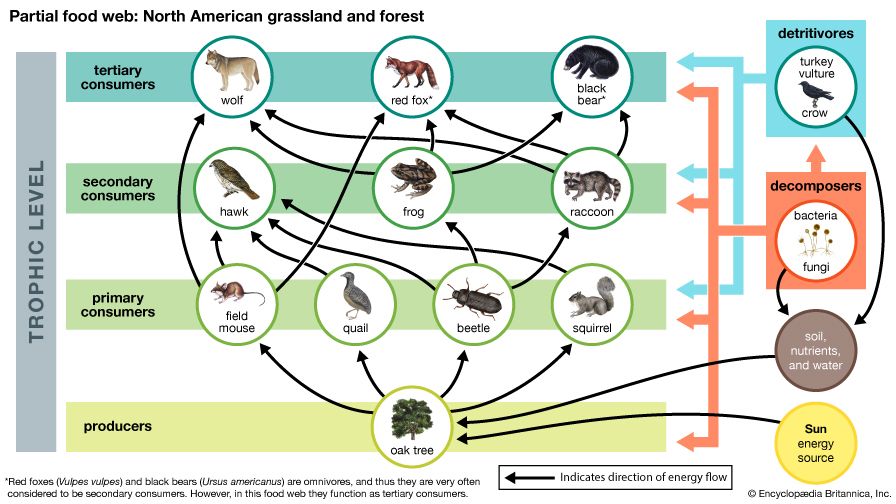
- Population Control: Many apex predators act as keystone species by hunting and limiting the numbers of species that would otherwise dominate and crowd out others. For example, the predatory starfish Pisaster ochraceus prevents mussels from monopolizing rocky intertidal shores, allowing a wider variety of species to coexist. Similarly, wolves maintain biodiversity by controlling populations of deer and elk.214
- Resource Provisioning: Some species act as keystone resources by providing essential food when other sources are scarce. In tropical forests, figs serve this function by bearing fruit year-round, sustaining numerous birds and mammals during lean seasons.21
Because their presence is essential for community stability, the loss of a keystone species can lead to a significant decline in local diversity.21
What happens to an ecosystem if a keystone species is removed?
When a keystone species is removed from an ecosystem, the community often undergoes a rapid and dramatic restructuring, as these species are essential for maintaining the ecosystem’s integrity and biodiversity.56
The consequences of such a removal typically include:
- Loss of Population Control: Without a keystone predator to keep dominant species in check, those populations may explode and crowd out other organisms. For example, the removal of the starfish Pisaster ochraceus allows mussels to monopolize rocky shores, preventing other species from establishing themselves.6
- Trophic Cascades: The removal of top predators triggers a trophic cascade, causing reciprocal changes throughout the food chain. This can lead to the decline of primary producers and shifts in nutrient cycling.1
- Mesopredator Release: The absence of top carnivores allows medium-sized predators to increase in number and expand their range, which places intense pressure on smaller prey species and further reduces overall biodiversity.17
- Loss of Critical Resources: If the keystone species provides a vital resource, such as figs in tropical forests, its disappearance can cause the local extinction of the many species that rely on it during lean seasons.6
Ultimately, the ecosystem loses its complexity and resilience, often collapsing or transitioning into a less diverse state.5
What is the definition of a keystone species in ecology?
In ecology, a keystone species is defined as an organism that exerts a disproportionately large influence on the biological communities in which it lives, relative to its abundance.12
The term was coined by American zoologist Robert T. Paine in 1969, drawing an analogy to the wedge-shaped stone at the top of an arch; just as an arch depends on its keystone for structural integrity, a community depends on its keystone species to maintain its organization and biodiversity.1
Keystone species typically support their ecosystems through two primary roles:
- Population Control: Many apex predators act as keystone species by limiting the populations of dominant species that would otherwise monopolize resources and exclude others.12
- Resource Provisioning: Some species provide critical resources, such as food, that are essential for the survival of a wide range of other species during periods of scarcity.12
Because their impact is so significant, the presence of a keystone species is often vital to the health and ongoing function of an ecosystem.3
Sources
- keystone species — Encyclopædia Britannica
- community ecology - Keystone species — Encyclopædia Britannica
- charismatic megafauna — Encyclopædia Britannica
- apex predator — Encyclopædia Britannica
- biodiversity loss - Ecological effects — Encyclopædia Britannica
- trophic cascade — Encyclopædia Britannica
- mesopredator release — Encyclopædia Britannica
Published on · 4 min read