Mud Plantain
A mud plantain is any aquatic annual or perennial plant belonging to the genus Heteranthera within the pickerelweed family (Pontederiaceae). This genus…
What is Mud plantain?
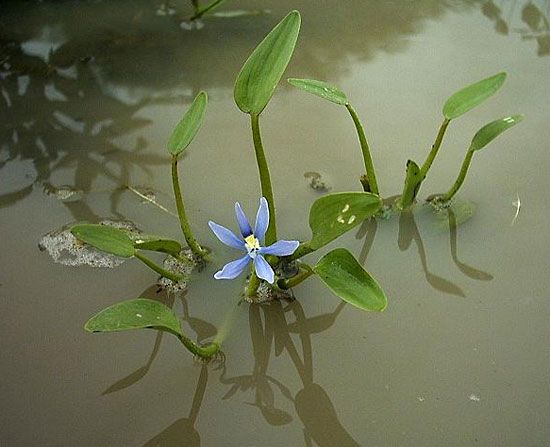
A mud plantain is any aquatic annual or perennial plant belonging to the genus Heteranthera within the pickerelweed family (Pontederiaceae). This genus consists of approximately 10 species that are primarily distributed throughout tropical America.1
These plants exhibit diverse growth habits: some species grow submerged beneath the water, while others float or remain rooted along muddy lakeshores and stream banks. Their leaves, which can be broad or ribbonlike, feature leafstalks that form sheaths around the stems. A notable example is the water star grass (H. dubia), a species widely distributed across North America that is characterized by its yellow, star-shaped flowers.12
What other plants belong to the pickerelweed family?
The pickerelweed family (Pontederiaceae) consists of several genera of aquatic or bog plants. In addition to the mud plantain (Heteranthera), the family includes the following notable groups:
- Pickerelweed (Pontederia): The type genus for the family, these perennials are native primarily to tropical America. They are characterized by creeping rootstocks, fibrous roots, and spikes of bluish-purple flowers. The species P. cordata is commonly found in the shallow lakes and muddy shores of eastern North America.
- Water hyacinth (Eichhornia): This genus consists of about five species native to tropical America. These plants may float or remain rooted in muddy banks. They are known for their rosettes of stalked leaves and spikes of flowers. The common water hyacinth is widely recognized for its spongy, inflated leafstalks and its tendency to reproduce rapidly in slow-moving water.56
How do aquatic plants adapt to living underwater?
Aquatic plants have evolved specialized structural and physiological adaptations to thrive in environments that are significantly denser and more viscous than air, and which often contain lower levels of oxygen.
A primary structural adaptation is the development of aerenchyma. This modified tissue contains large intracellular air spaces that facilitate the exchange of gases throughout the plant and help maintain buoyancy, allowing the plant to remain upright or float in the water column.9
When terrestrial plants transitioned to aquatic environments, they faced the challenge of surviving in a medium with limited oxygen. Beyond structural changes, these plants developed various adaptations to manage the physicochemical features of their surroundings, such as:
- Physiological adaptations: These allow plants to regulate their internal environment despite the external medium’s density and chemical composition.10
- Ecological adaptations: Many species have developed life cycles that align with seasonal environmental changes, ensuring survival during periods of stress, such as drought in temporary waters.10
- Structural diversity: Depending on the species, plants may be rooted in the mud, such as the lotus, or remain free-floating, like the water hyacinth, to optimize their access to light and nutrients.1110
What is the difference between annual and perennial plants?
The primary difference between annual and perennial plants lies in the duration of their life cycles.
Annual Plants
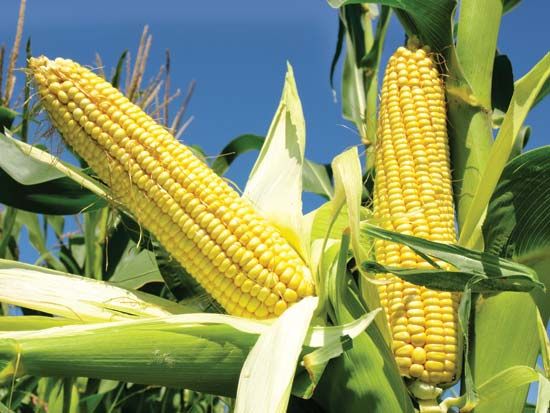
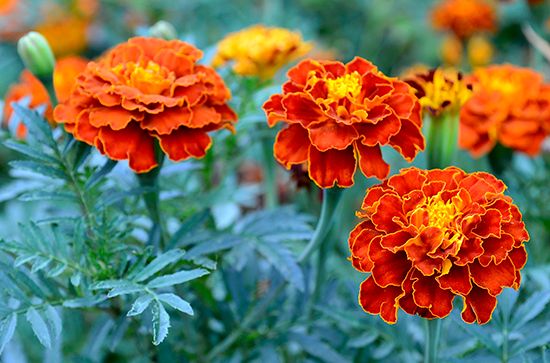
An annual is a plant that completes its entire life cycle—from germination to seed production and death—within a single growing season. Because the plant expires after one season, the only part that survives to the next year is the dormant seed. This category includes many common vegetables, such as corn and wheat, as well as garden flowers like marigolds.1314
Perennial Plants
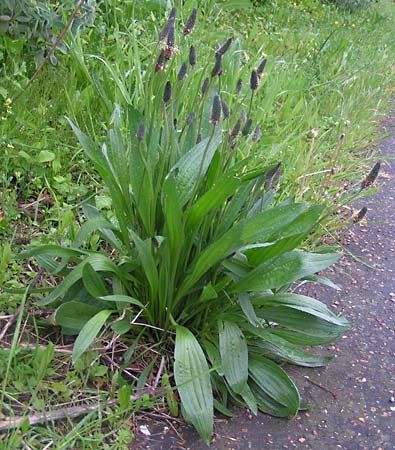
A perennial is a plant that persists for several years. These plants often regrow from the same root system or specialized storage structures—such as bulbs, rhizomes, or tubers—that survive from one season to the next. While all trees and shrubs are perennials, many herbaceous plants also fall into this category.1516
It is important to note that some plants, such as tomatoes, are perennials in their native tropical climates but are frequently grown as annuals in temperate zones because they cannot survive the cold.1416
Sources
- mud plantain — Encyclopædia Britannica
- mud plantain — Merriam-Webster
- heteropteran - Critical appraisal — Encyclopædia Britannica
- Heteranthera — Merriam-Webster
- pickerelweed — Encyclopædia Britannica
- Pontederiaceae — Merriam-Webster
- water hyacinth — Encyclopædia Britannica
- Pontederia — Merriam-Webster
- aerenchyma — Merriam-Webster
- How do gills work? — Encyclopædia Britannica
- aquatic plant — Merriam-Webster
- Inland water ecosystem - Biota of inland waters — Encyclopædia Britannica
- Is That Plant 'Perennial' or 'Annual'? — Merriam-Webster
- Perennial — Encyclopædia Britannica
- Annual — Encyclopædia Britannica
- life span - Perennials — Encyclopædia Britannica
Published on · 3 min read