Mururoa
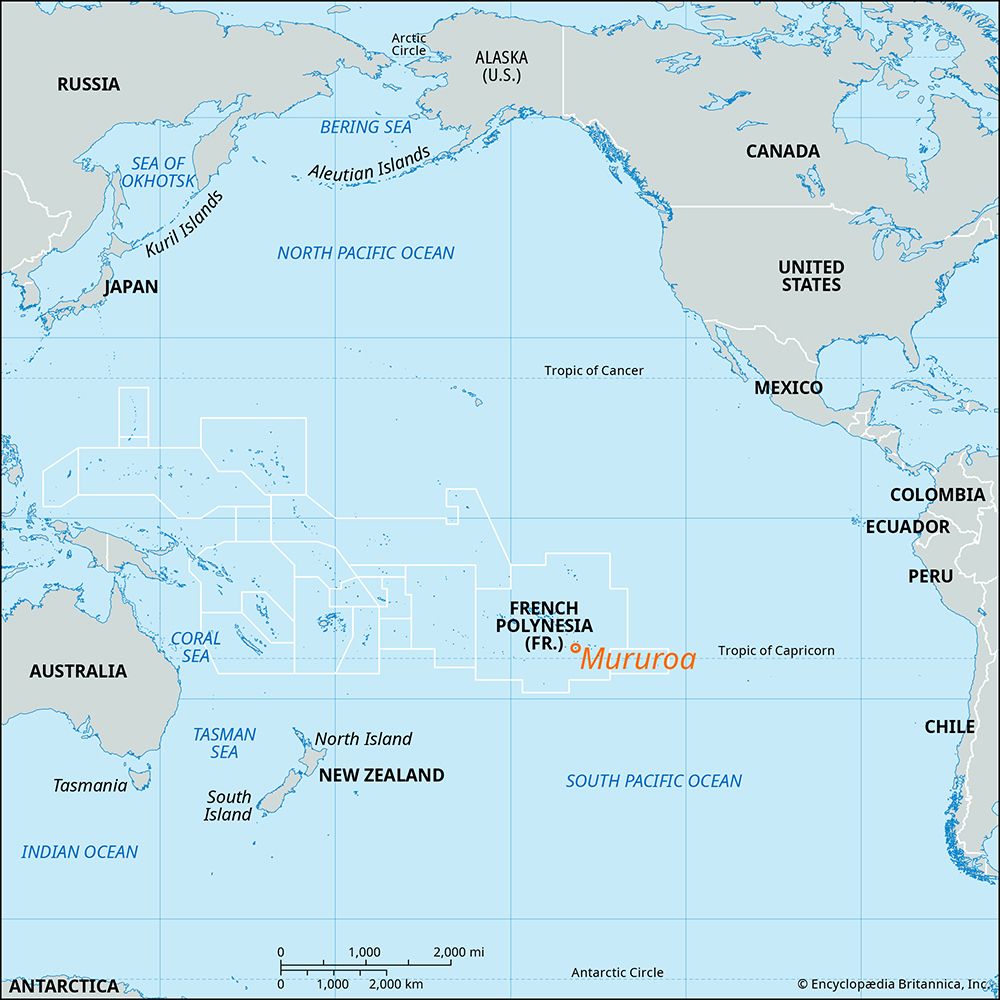
Before its use as a nuclear testing site, Mururoa was an uninhabited atoll within the Tuamotu Archipelago of French Polynesia. Historical records indicate…
What is the indigenous history and culture of Mururoa before it became a nuclear testing site?
Before its use as a nuclear testing site, Mururoa was an uninhabited atoll within the Tuamotu Archipelago of French Polynesia. Historical records indicate that the island was utilized for growing coconuts prior to its cession to France in 1964.12
Unlike many other islands in the Tuamotu group, which support permanent populations through fishing and the cultivation of pearl oysters and coconuts, Mururoa did not have a resident indigenous community at the time it was selected for the French nuclear testing program. Consequently, there is no documented indigenous cultural history or permanent settlement specific to the atoll itself before the mid-20th century. The transformation of the site into a military facility in 1966 marked a significant departure from its previous state as an uninhabited, naturally occurring atoll.123
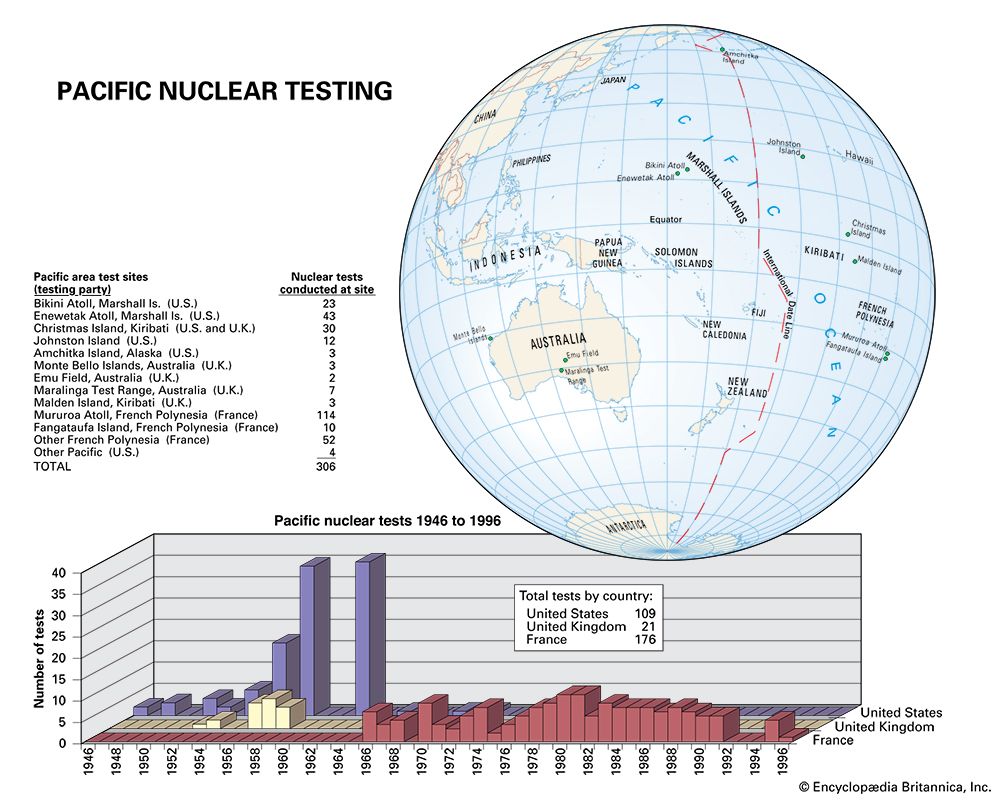
How does Mururoa compare to other nuclear testing sites around the world in terms of its history and environmental impact?
Mururoa and the Nevada Test Site (NTS) share histories defined by significant environmental and public health challenges, though their geographic contexts differ.
Historical Context
- Mururoa: Located in the Tuamotu Archipelago, this atoll served as France’s primary site for nuclear weapons tests from 1966 to 1996. Testing transitioned from atmospheric to underground in 1975 due to international pressure, with final tests occurring under the nearby Fangataufa atoll.15
- Nevada Test Site: Established in 1950, the NTS was the primary continental U.S. testing ground, hosting 928 tests. Like Mururoa, it shifted from atmospheric to underground testing following the 1963 Nuclear Test-Ban Treaty.6
Environmental and Health Impact
Both sites faced scrutiny regarding radioactive fallout and long-term contamination:
- Contamination: At the NTS, underground testing contaminated local aquifers and groundwater. Similarly, Mururoa’s underground tests raised concerns about rock fracturing and radioactive leakage into the marine environment.16
- Public Health: Both regions saw significant health impacts. NTS “downwinders” in Utah experienced increased rates of cancer, leading to the Radiation Exposure Compensation Act of 1990. In French Polynesia, a 2006 report revealed that France had hidden the extent of fallout from atmospheric tests, prompting ongoing, albeit often rejected, demands for compensation and environmental remediation.56
While both sites have since ceased explosive testing, they remain symbols of the Cold War era’s environmental legacy.16
How did international opposition to nuclear testing at Mururoa affect French policy?
International opposition significantly influenced French policy regarding nuclear testing at Mururoa, forcing shifts in both the location and the scale of operations over several decades.
- Operational Shifts: In response to global concerns about the structural integrity of the atoll and the risk of fracturing its rock, France moved its testing program underground to Fangataufa atoll in 19751.1
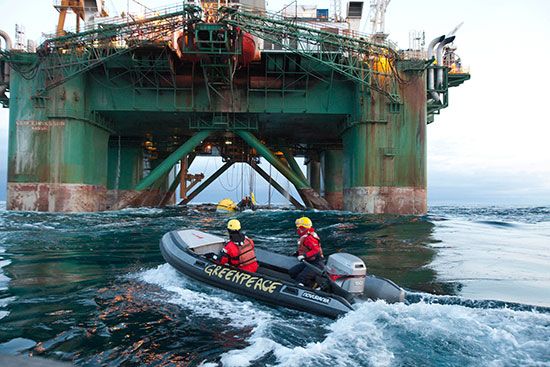
- Political Pressure and Protests: The antinuclear movement gained momentum in the 1980s, involving environmental groups like Greenpeace. A major international scandal erupted in 1985 when French agents bombed the Greenpeace vessel Rainbow Warrior to prevent it from protesting at the site, leading to high-level resignations within the French government.15
- Testing Suspension and Conclusion: Following a 1992 suspension, the resumption of testing in 1995 triggered widespread public outcry and rioting in Tahiti. This mounting pressure compelled France to reduce its planned series of tests from eight to six. By 1996, France permanently ended testing and signed the Treaty of Rarotonga, leading to the dismantling of military facilities.81
How did the nuclear testing at Mururoa impact the local Polynesian communities?
The nuclear testing program conducted by France at Mururoa and Fangataufa atolls between 1966 and 1996 had profound and lasting impacts on the local Polynesian communities.
Public Health and Environmental Concerns
The testing program resulted in significant radioactive fallout from atmospheric tests, the extent of which was hidden by the French government for decades. A 2006 legislative inquiry confirmed this concealment, and in 2012, French health officials identified the fallout as a probable cause of health issues among the local population. Despite these findings, the French government has historically rejected calls for comprehensive environmental remediation and has often deemed compensation offers insufficient.1
Socioeconomic and Political Consequences
- Economic Disruption: The presence of the Pacific Experimentation Centre created a temporary economy based on military and civilian service jobs. When the testing program ended and facilities were dismantled, the departure of hundreds of French soldiers led to a significant loss of these jobs.1
- Political Unrest: The testing program became a flashpoint for local political tension. The 1995 resumption of testing triggered widespread rioting in Tahiti, fueling the antinuclear movement and strengthening the resolve of pro-independence factions who sought greater self-determination from France.51
Sources
- Mururoa — Encyclopædia Britannica
- Polynesian culture - Contemporary Polynesia — Encyclopædia Britannica
- Tuamotu Archipelago — Encyclopædia Britannica
- Vanuatu - Cultural life — Encyclopædia Britannica
- French Polynesia - History of French Polynesia — Encyclopædia Britannica
- Nevada Test Site — Encyclopædia Britannica
- Japan earthquake and tsunami of 2011 - Northern Japan’s nuclear emergency — Encyclopædia Britannica
- Greenpeace — Encyclopædia Britannica
- Bikini — Encyclopædia Britannica
Published on · 4 min read