Tuamotu Archipelago
According to 2017 census data, the population of the Tuamotu Archipelago was 16,881.
What is the population of the Tuamotu Archipelago, and how is it distributed among the islands?
According to 2017 census data, the population of the Tuamotu Archipelago was 16,881.1
Regarding the distribution of the population, the inhabitants primarily reside in villages situated near the lagoons of the various atolls. These lagoons are essential to the local economy, providing resources such as fish, coconuts, and pearl oysters, with the cultivation of “black pearls” serving as a significant industry.12
The archipelago consists of approximately 75 to 80 islands, which are generally low, flat atolls with limited fresh water and agricultural potential. Due to the challenging living conditions on these coral-based islands, many residents emigrate to Papeete on the island of Tahiti. While Rangiroa maintains close contact with Tahiti due to its airport, most other islands have poor connections, further influencing migration patterns.12
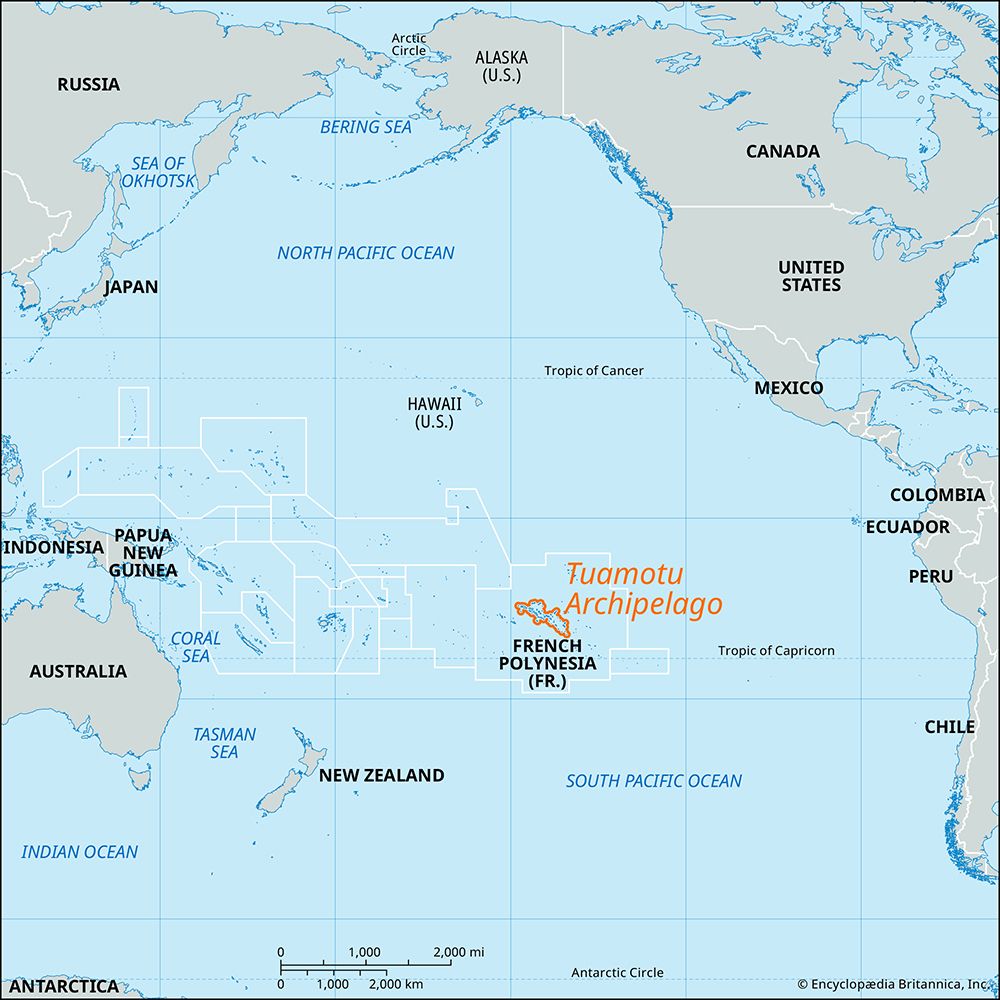
What is the geographical location and extent of the Tuamotu Archipelago?
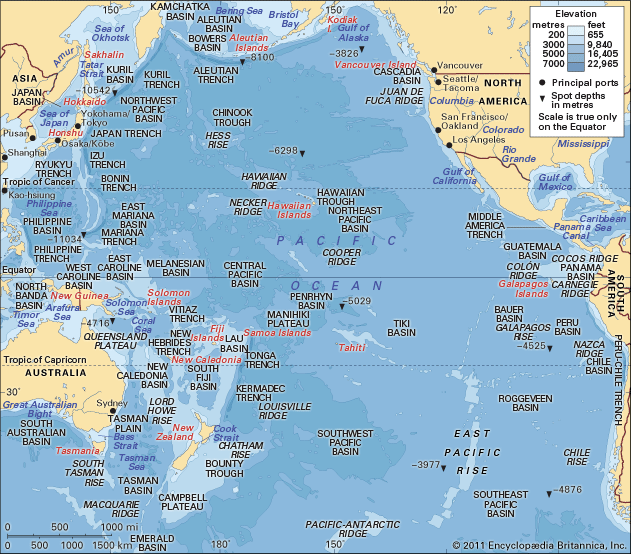
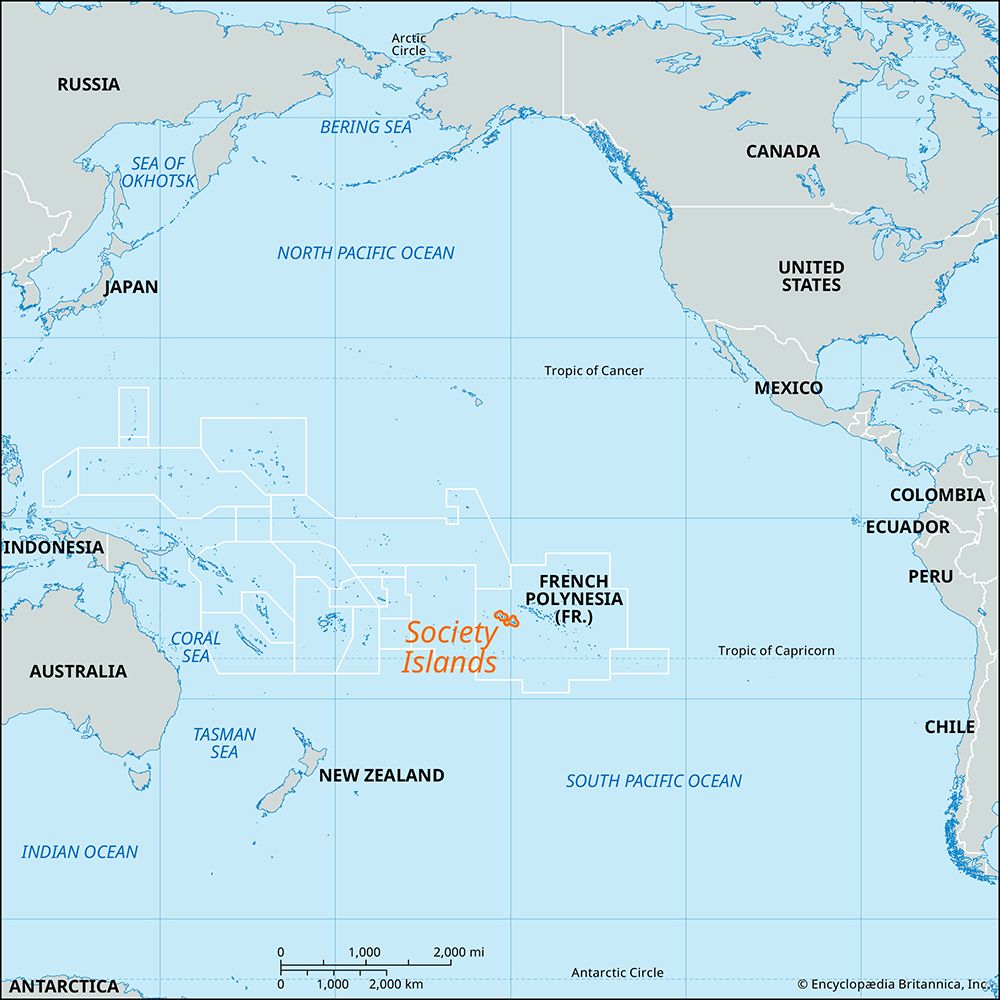
The Tuamotu Archipelago is an island group located in the central South Pacific Ocean, situated to the east of the Society Islands within French Polynesia.13
The archipelago is the world’s largest group of coral atolls, consisting of approximately 75 to 80 islands, including one raised coral atoll, Makatea. These islands are dispersed in a northwest-southeast direction as a double chain, extending for more than 900 miles (1,450 km). The total land area is approximately 266 to 270 square miles (roughly 690 square km).13
Geologically, the islands are low and flat, formed of coral surrounding a lagoon, with porous soil and no permanent streams. The largest atoll in the group is Rangiroa, which features a broad lagoon surrounded by a circle of islets. Administratively, the archipelago is linked with the Gambier Islands to form a subdivision of French Polynesia, with its headquarters located in Papeete on the island of Tahiti.13
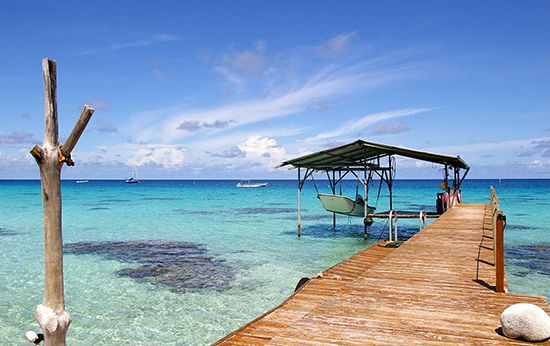
What traditional customs and practices are still maintained by the Tuamotu people today?
In the Tuamotu Archipelago, traditional life is deeply connected to the ocean environment, which has historically dictated the social and economic structure of the islands. Today, the population continues to rely on the lagoons for their livelihood, with the cultivation of “black pearls” from the black-lipped oyster (Pinctada margaritifera) serving as a vital modern industry alongside traditional fishing and coconut harvesting.4
While many elements of broader Polynesian culture—such as traditional music, dance, and tattooing—were suppressed by missionaries beginning in the late 18th century, there has been a renewed focus on cultural preservation in French Polynesia in recent decades. Efforts to maintain heritage include the elevation of the Tahitian language to official status and the work of cultural institutions in Papeete to document and protect traditional practices.1
Despite these efforts, the influence of European and North American cultural exports remains pervasive, and the challenging living conditions on the low-lying atolls have led many residents to emigrate to urban centers like Tahiti, which impacts the continuity of local traditions.14
What role did the Tuamotu Archipelago play in early Polynesian navigation and settlement?
The Tuamotu Archipelago served as a significant region within the broader context of Polynesian seafaring and migration. While the islands themselves are low-lying coral atolls with limited resources, they were part of the vast maritime network navigated by early Austronesian speakers who settled the Pacific.110
Early Polynesian navigators developed sophisticated navigation skills, relying on non-instrumental methods to traverse long ocean routes between islands. These skills were essential for the expansion of the Lapita culture, which spread from Southeast Asia through Melanesia into eastern Polynesia. The archipelago’s position in the central South Pacific Ocean placed it along the paths of these voyagers, who utilized double-hulled canoes to explore and settle the region.3111
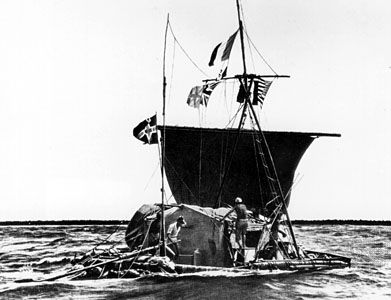
In modern times, the significance of these ancient practices has been highlighted by the Polynesian Voyaging Society, which reconstructed traditional vessels like the Hokule’a to test and preserve the ancient arts of shipbuilding and celestial navigation. The archipelago also holds historical significance for later exploration, notably as the site where the Kon-Tiki expedition concluded its 4,300-mile eastward drift in 1947.111
Sources
- Tuamotu Archipelago — Encyclopædia Britannica
- French Polynesia - Relief — Encyclopædia Britannica
- Tuamotu Archipelago — Merriam-Webster
- French Polynesia - Cultural life — Encyclopædia Britannica
- Polynesian culture - Traditional Polynesia — Encyclopædia Britannica
- Tubuai Islands — Encyclopædia Britannica
- Tonga - Cultural life — Encyclopædia Britannica
- Polynesian culture - Fishing — Encyclopædia Britannica
- Samoa - The arts — Encyclopædia Britannica
- Pacific Islands - Origins of Oceanian peoples — Encyclopædia Britannica
- Polynesian culture - Contemporary Polynesia — Encyclopædia Britannica
- Makatea — Encyclopædia Britannica
Published on · 3 min read