Muttonbird
The term muttonbird refers to several species of oceanic birds, primarily shearwaters, whose chicks are harvested commercially for their meat, oil, and…
What is Muttonbird?
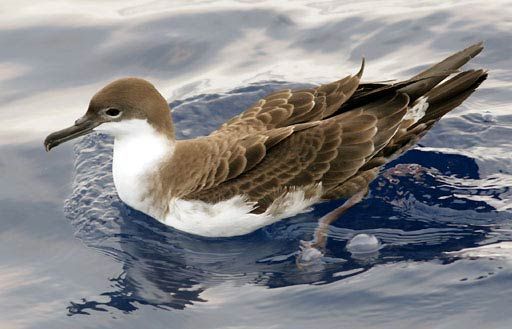
The term muttonbird refers to several species of oceanic birds, primarily shearwaters, whose chicks are harvested commercially for their meat, oil, and feathers.12
The species most commonly identified as muttonbirds include:
- The short-tailed shearwater (Puffinus tenuirostris), also known as the slender-billed shearwater, which is harvested in Australia and Tasmania.13
- The sooty shearwater (P. griseus), which is harvested in New Zealand.12
Additionally, the name is sometimes applied to various species of petrels and fulmars of petrels and fulmars. These birds are members of the order Procellariiformes, a group of pelagic birds known for their extensive migratory patterns across the world’s oceans. In some regions, such as Alaska, the short-tailed shearwater is also referred to as a “whalebird”.1234
What are the migration patterns of the short-tailed shearwater?
The short-tailed shearwater (Puffinus tenuirostris), also known as the slender-billed shearwater, exhibits a highly regular, long-distance migratory pattern across the Pacific Ocean.43
- Breeding: These birds nest in massive colonies along the coasts of southern Australia and in Tasmania, specifically on islands within the Bass Strait.43
- Northern Migration: After the breeding season, they migrate across the western Pacific toward Japan. They spend the months of June through August in the North Pacific and the Arctic Ocean.4
- Return Migration: During their return journey, the birds travel east and southeast along the Pacific coast of North America before flying diagonally across the Pacific to return to their Australian breeding grounds.4
Unlike some other migratory species that rely heavily on immediate weather conditions, the short-tailed shearwater is noted for its remarkable regularity, with arrival and departure dates that remain consistent from year to year. Throughout the remainder of the year, the species effectively circumnavigates the Pacific.53
How does the Maori culture value the practice of muttonbirding?
The provided search results confirm that the Māori people of New Zealand have historically utilized the muttonbird—specifically the sooty shearwater—for its meat, oil, and feathers.61
However, the provided search results do not contain specific information regarding the cultural values, traditional significance, or the specific ways in which the Māori people view the practice of muttonbirding beyond its utility as a resource. While the results mention that other items, such as hei-tiki, are regarded as taonga tuku iho (revered heirlooms) that connect the people to their ancestors, there is no corresponding information in the provided text regarding the cultural status of muttonbirding.2
Sorry, the Britannica knowledge base does not contain this information.
What are the main threats to endangered shearwater species?
Endangered shearwater species face several critical threats that jeopardize their survival, primarily driven by human activity and the introduction of non-native species to their breeding grounds.
Primary Threats to Shearwaters
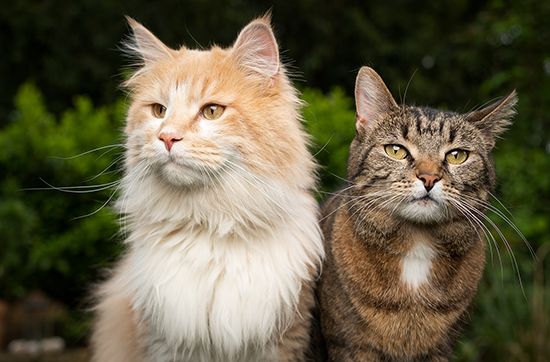
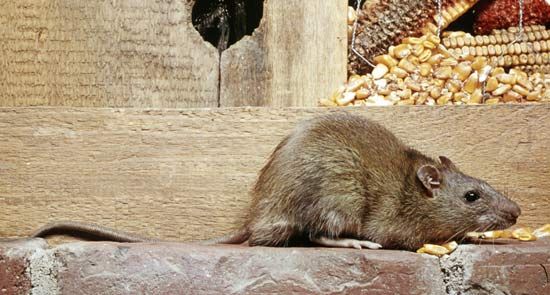
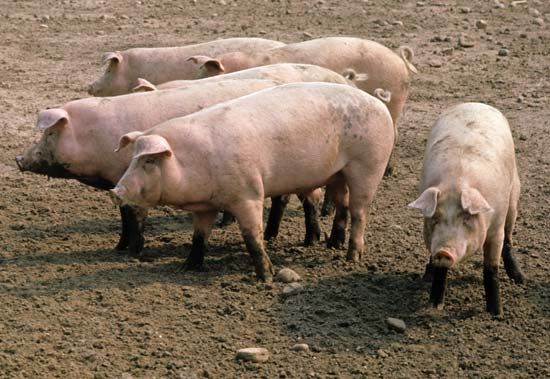
- Predation by Introduced Species: Many shearwaters nest in burrows on offshore islands, making them highly vulnerable to predators introduced by humans, such as cats, rats, pigs, goats, and genets. These animals prey on eggs, chicks, and adults, often devastating local populations.37
- Habitat Loss and Degradation: The introduction of feral mammals like pigs and goats destroys the nesting habitat required by these birds. Additionally, extreme weather events, such as hurricanes, can cause significant population declines by destroying principal breeding colonies.3
- Commercial Fishing: In the marine environment, shearwaters are frequently caught as bycatch in commercial fishing operations. Birds searching for food often become hooked on longlines or entangled in fishing gear, leading to high mortality rates.37
- Human Harvesting: Historically, the over-harvesting of eggs and young birds for food and oil has pushed some species to the brink of extinction.37
Sources
- Muttonbird — Encyclopædia Britannica
- muttonbird — Merriam-Webster
- Shearwater — Encyclopædia Britannica
- Migration - In coastal and pelagic regions — Encyclopædia Britannica
- Migration - Physiological stimulus of migration — Encyclopædia Britannica
- Hei-tiki — Encyclopædia Britannica
- Procellariiform - Importance to humans — Encyclopædia Britannica
Published on · 3 min read