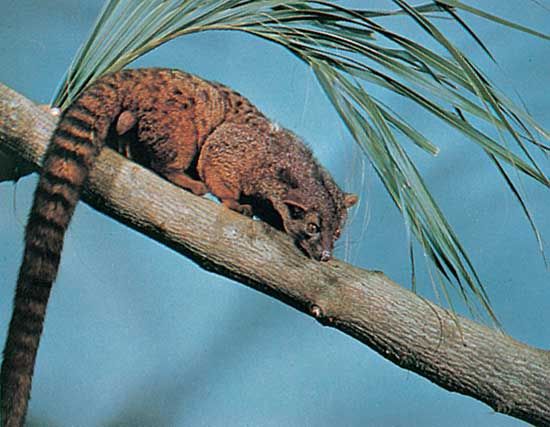
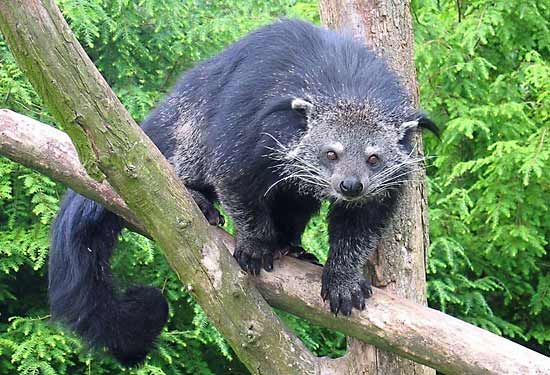
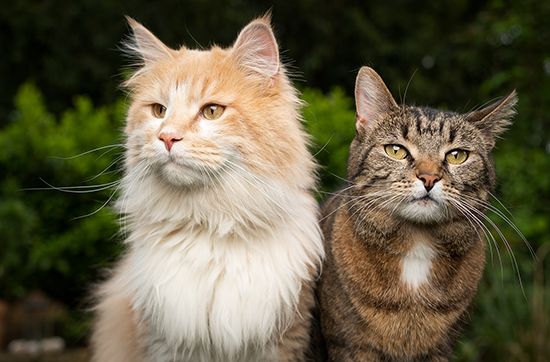
Genet
A genet is a lithe, catlike, omnivorous mammal belonging to the genus Genetta within the family Viverridae.
What is a genet and which taxonomic family does it belong to?
A genet is a lithe, catlike, omnivorous mammal belonging to the genus Genetta within the family Viverridae.12
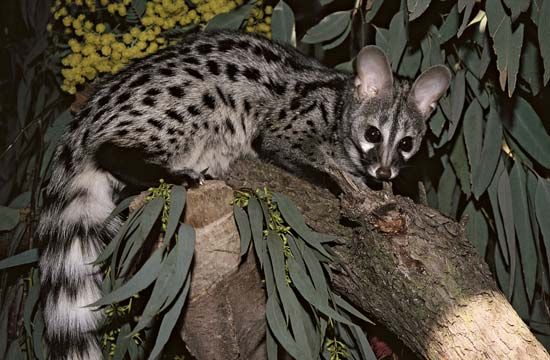
It is important to clarify that while they are often colloquially referred to as “genet cats,” this is a misnomer; genets are not true cats but are instead members of the viverrid family. They are characterized by their elongated bodies, short legs, long tapering tails, and pointed noses. Most of the approximately 14 species are native to Africa, though the small-spotted genet also inhabits parts of southern Europe and western Asia. These nocturnal animals are highly agile, capable of moving through trees and across the ground with ease, and are the only known viverrids capable of standing on their hind legs.21
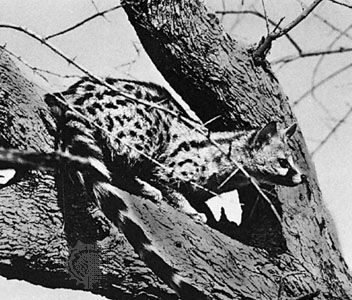
What are the physical characteristics that distinguish genets from other small carnivores?
Genets are often confused with other small carnivores, such as civets, due to their shared membership in the Viverridae family. However, they possess distinct physical characteristics that set them apart:
- Body Build: Genets are notably more slender and elongated than civets, which are generally stockier and larger.1
- Coat and Markings: While both animals have spotted and striped coats, a genet’s dorsal stripe ends at the base of its tail, whereas a civet’s stripe typically extends well into the tail.1
- Tail Appearance: A genet’s tail is prominently banded with rings that extend all the way to the tip. In contrast, a civet’s tail often ends in a solid dark color.1
- Facial Features: Genets possess prominent black-and-white facial markings, an adaptation that aids in camouflage during their nocturnal activities.1
- Unique Behavior: Genets are the only known viverrids capable of standing on their hind legs.21
Unlike true cats, genets have longer snouts and typically possess five toes on their hind feet.1
In which regions of the world can genets be found naturally?
Genets are primarily found in Africa, where they inhabit a variety of environments including forests, grasslands, and scrublands.12
While most of the 14 species are restricted to the African continent, the small-spotted genet (Genetta genetta) has a broader distribution that also includes parts of southern Europe and western Asia.12
What are the main differences between genets and civets?
While genets and civets are both members of the Viverridae family, they are distinct animals with several key differences in physical build, markings, and behavior.2
Physical and Behavioral Differences
Feature
Genets
Civets
Body Build
Slender and elongated; smaller size.
Bigger and stockier; coarser, fluffier fur.
Dorsal Stripe
Ends at the base of the tail.
Extends along the spine and well into the tail.
Tail Markings
Prominently banded with rings to the tip.
Typically ends in a solid dark color.
Diet
Primarily carnivorous.
Omnivorous (often consumes fruits and nectar).
Unique Trait
Only viverrid known to stand on hind legs.
Source of civet musk and
kopi luwak
.
Both animals are often misidentified as “cats,” but they are distinct from true cats due to their longer snouts and different toe counts on their hind feet. While genets are largely restricted to Africa, civets are found across a broader range of the Old World.23
Sources
- genet — Encyclopædia Britannica
- Are civet cats and genet cats the same animals? — Encyclopædia Britannica
- viverrid — Encyclopædia Britannica
Published on · 2 min read