Netherlands Antilles
The Netherlands Antilles held significant historical importance as a strategic hub for the Dutch West India Company and a central node in Caribbean maritime…
What was the historical significance of the Netherlands Antilles in the Caribbean region?
The Netherlands Antilles held significant historical importance as a strategic hub for the Dutch West India Company and a central node in Caribbean maritime commerce. Occupied by the Dutch in the 17th century, the islands—particularly Curaçao—became vital centers for the transatlantic slave trade, plantation products, and contraband trade.12
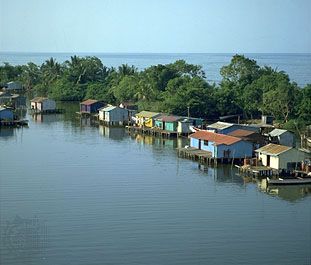
The region’s significance was bolstered by its geography; the natural harbor at Willemstad allowed the islands to serve as a key maritime center, attracting interest from colonial powers and privateers. In the 20th century, the discovery of oil in Venezuela’s Maracaibo Basin transformed the islands into major refining and transshipment hubs, further cementing their role in regional trade.1
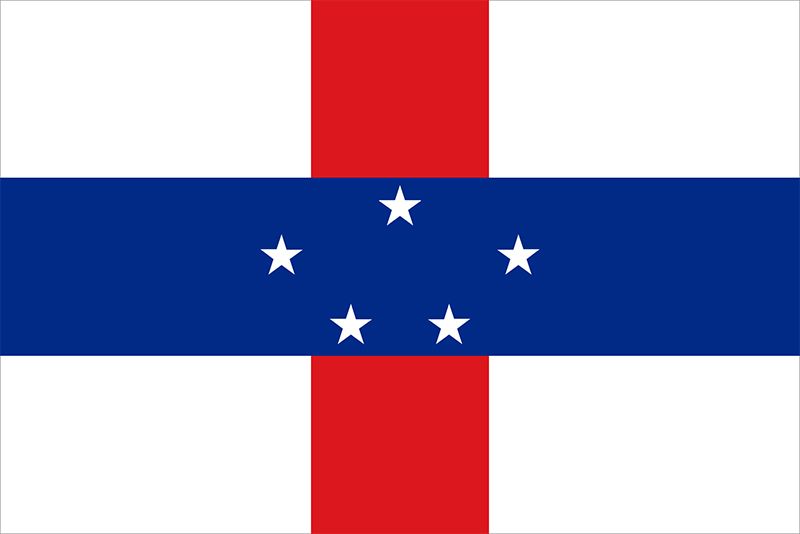
Politically, the Netherlands Antilles functioned as an autonomous federation within the Kingdom of the Netherlands from 1954 until its dissolution in 2010. This period reflected complex shifts in governance, insular self-determination, and economic transition.34
What are some traditional foods and customs specific to the culture of the Netherlands Antilles?
The culture of the islands formerly comprising the Netherlands Antilles is characterized by a blend of European, African, and South American influences, reflected in both their social customs and vibrant public celebrations.
Festivals and Social Customs
Public life in the region is marked by colorful, high-energy events. The most prominent of these is the pre-Lenten Carnival, held in February, which features elaborate costumes, music, and street performances. New Year’s festivities are also significant cultural highlights. In addition to these celebrations, the islands maintain a strong interest in sports, with baseball and football (soccer) being particularly popular among the local population.
Language and Identity
A central pillar of the cultural identity of Curaçao, Aruba, and Bonaire is the Papiamentu language. This creole, which evolved from Portuguese, Spanish, and Dutch, is deeply integrated into the islands’ mass media, political life, and educational systems. Its development reflects the islands’ history as a crossroads of colonial trade and diverse migration.
Cuisine
While the provided search results do not detail specific traditional dishes unique to the Netherlands Antilles, it is worth noting that the Dutch colonial influence introduced the rijsttafel (“rice table”) to the broader Dutch colonial sphere. This elaborate meal, consisting of numerous small Indonesian-inspired dishes served with rice, reflects the historical intersection of Dutch colonial history and diverse culinary traditions.
How did the dissolution of the Netherlands Antilles in 2010 affect the political status of its constituent islands?
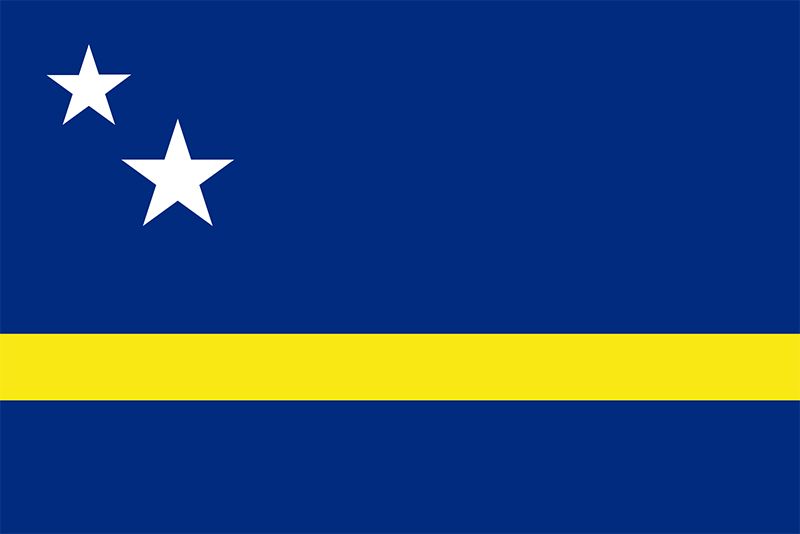
The dissolution of the Netherlands Antilles on October 10, 2010, fundamentally reorganized the political status of its constituent islands, though none opted for full independence. The islands were divided into two distinct categories within the Kingdom of the Netherlands:23
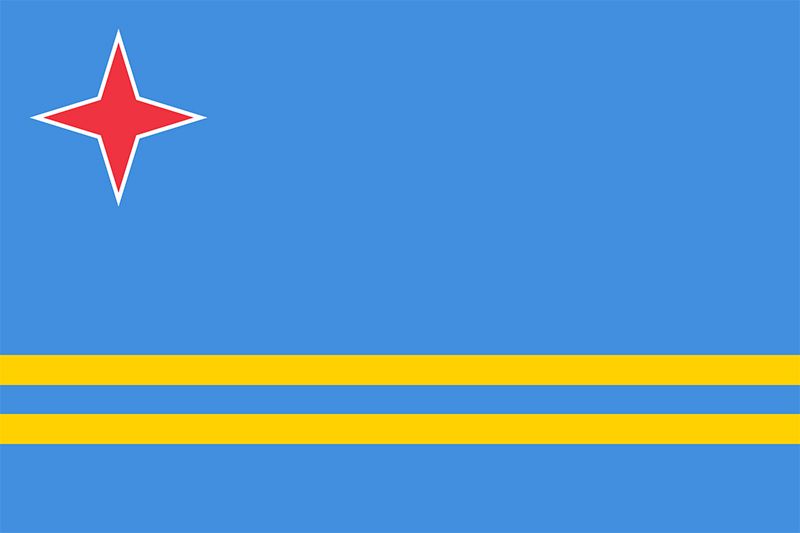
- Autonomous Countries: Curaçao and Sint Maarten achieved the status of autonomous countries within the kingdom. This status is similar to that held by Aruba, which had seceded from the federation earlier in 1986. As autonomous countries, they maintain independence in internal affairs, while the Dutch government remains responsible for external matters such as defense and foreign relations.211
- Special Municipalities: Bonaire, Saba, and Sint Eustatius became special municipalities of the Netherlands. This transition established a closer relationship with the central government, mirroring the administrative structure of municipalities within the metropolitan Netherlands.21213
This restructuring followed a 2006 agreement between the Dutch government and the island leaderships to dismantle the federation, marking the end of the Netherlands Antilles as a single political entity.23
What are the main islands that were part of the Netherlands Antilles, and where are they located?
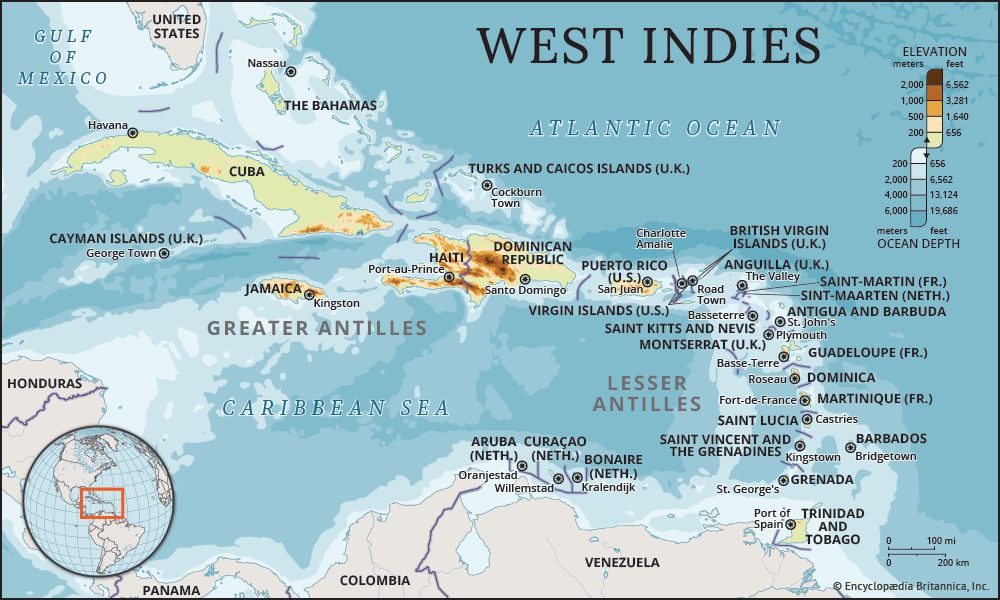
The Netherlands Antilles consisted of five islands located in the Caribbean Sea, organized into two distinct geographical subgroups separated by approximately 500 miles (800 km).2
Southern Group
These islands are situated less than 50 miles (80 km) off the coast of Venezuela:
- Curaçao: The largest island of the group, which served as the capital and home to the city of Willemstad.21
- Bonaire: Located about 20 miles (32 km) east of Curaçao.21
Northern Group
These islands are part of the Leeward Islands chain within the Lesser Antilles:
- Sint Maarten: Comprising the southern portion of the island of Saint Martin.2
- Saba: A volcanic island known for its high elevation at Mount Scenery.21
- Sint Eustatius: An island featuring the extinct volcano known as The Quill.21
Note that Aruba, while historically associated with the region, seceded from the federation in 1986 to become a separate territory.2
Sources
- Netherlands Antilles - History — Encyclopædia Britannica
- Netherlands Antilles — Encyclopædia Britannica
- Netherlands Antilles - Political developments since World War II — Encyclopædia Britannica
- Curaçao — Encyclopædia Britannica
- Netherlands - Daily life and social customs — Encyclopædia Britannica
- Papiamentu — Encyclopædia Britannica
- Netherlands Antilles - Cultural life — Encyclopædia Britannica
- Aruba — Encyclopædia Britannica
- rijsttafel — Encyclopædia Britannica
- Anguilla - Cultural institutions — Encyclopædia Britannica
- Sint Maarten — Encyclopædia Britannica
- Bonaire — Encyclopædia Britannica
- Saba — Encyclopædia Britannica
- Leeward Islands — Encyclopædia Britannica
- Lesser Antilles — Encyclopædia Britannica
- Netherlands Antilles - Relief — Encyclopædia Britannica
Published on · 3 min read