Numbat
The numbat (Myrmecobius fasciatus) is distinct among marsupials due to its specialized diet of termites and ants, a feeding habit known as myrmecophagy.…
How does the numbat’s diet differ from other marsupials?
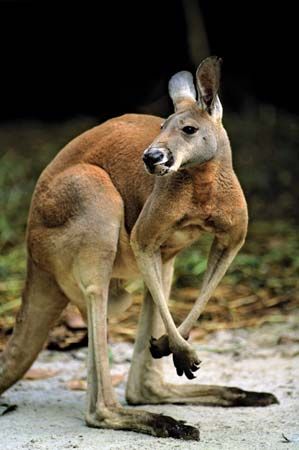
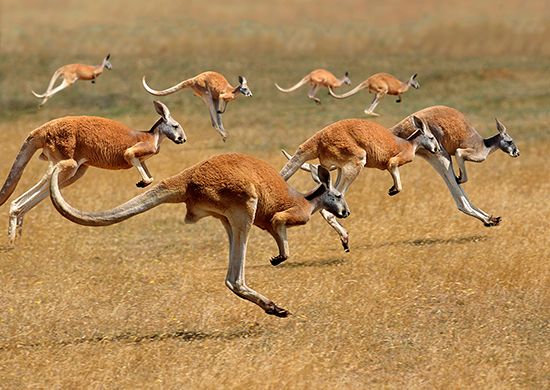
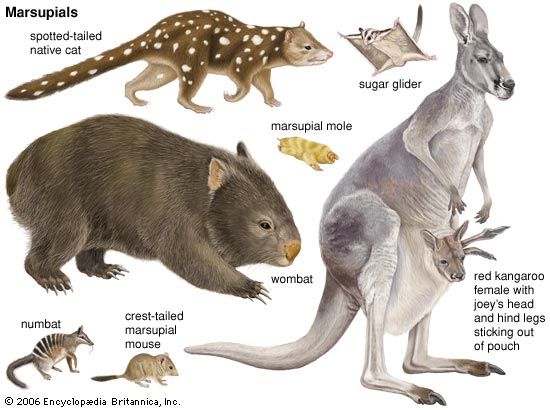
The numbat (Myrmecobius fasciatus) is distinct among marsupials due to its specialized diet of termites and ants, a feeding habit known as myrmecophagy. While many other marsupials are herbivores—such as kangaroos and wombats—or have mixed diets of plants and insects, the numbat is highly specialized for consuming social insects.123
This dietary specialization has resulted in unique physical adaptations that differ from most other marsupials, including:
- Morphology: The numbat possesses a long, wormlike, sticky tongue used to lap up its prey.43
- Dentition: Unlike many marsupials that use teeth to tear flesh or grind vegetation, the numbat exhibits a marked reduction in jaw size and has small, simplified teeth.41
- Foraging Tools: It features strong, sharp claws specifically adapted for digging into termite mounds.41
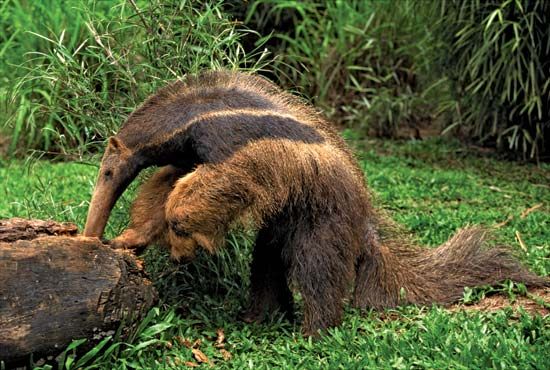
These traits represent a remarkable example of convergent evolution, as the numbat shares these physical characteristics with other unrelated myrmecophagous mammals like the anteater and the aardvark.1
What are the unique physical characteristics of the numbat?
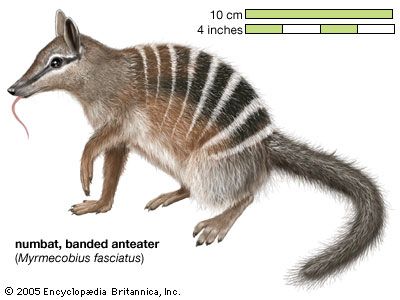
The numbat (Myrmecobius fasciatus) possesses several unique physical characteristics that distinguish it from other marsupials:
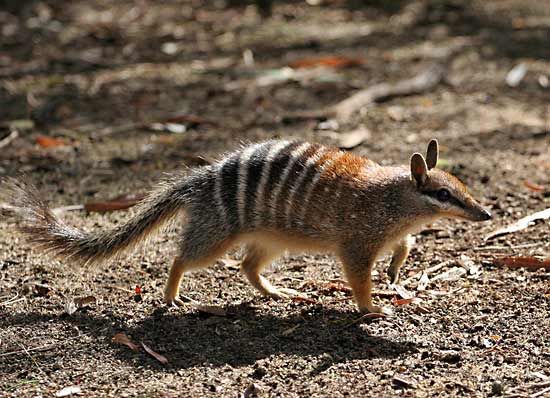
- Body and Coat: It has a squat body, a small pointed head with a long snout, and a bushy tail. Its coat is typically reddish brown, featuring seven or eight distinct transverse white stripes across the back from behind the forelegs to the rump.14
- Feeding Adaptations: To support its specialized diet of termites, the numbat has a long, sticky, wormlike tongue used for lapping up prey. Its forefeet are equipped with strong, sharp claws designed for digging into termite mounds.15
- Dentition: Unlike many other marsupials, the numbat has a high number of small, simplified teeth, typically totaling 50 to 56.17
- Reproductive Biology: Uniquely among many marsupials, the numbat is pouchless; instead of developing within a pouch, its young simply cling to the mother’s teats.1
Additionally, the numbat is one of the few diurnal (day-active) Australian marsupials, whereas many of its relatives are nocturnal.1
How did the numbat get its name, and what other names is it known by?
The name “numbat” is derived from a native Australian term for the marsupial, which was first recorded in usage around 1845.1
In addition to its common name, the numbat (Myrmecobius fasciatus) is also frequently referred to as the banded anteater. This alternative name highlights its physical appearance—specifically the distinct transverse white stripes across its back—and its specialized diet of termites, which it consumes using a long, sticky tongue similar to that of other anteaters.15
Where are numbats found in the wild, and what is their preferred habitat?
In the wild, the numbat is currently restricted to a very limited range. While the species was once widespread across Australia, only two naturally occurring populations remain today. These are found exclusively in the Dryandra and Perup woodlands located in the southwestern corner of Western Australia.1
The numbat’s preferred habitat consists of these specific woodlands, where it forages by day for termites. The species has faced a significant decline due to habitat loss and predation by introduced species such as red foxes and domestic cats. In an effort to support the recovery of this endangered species, small populations of captively bred numbats have been introduced into several other locations across the country.1
Sources
- numbat — Encyclopædia Britannica
- mammal - Food habits — Encyclopædia Britannica
- mammal - Teeth — Encyclopædia Britannica
- marsupial — Encyclopædia Britannica
- numbat — Merriam-Webster
- What do kangaroos eat? — Encyclopædia Britannica
- Myrmecobius — Merriam-Webster
Published on · 3 min read