Marsupial
Marsupials have adapted to diverse environments through specialized physical structures and unique reproductive strategies, often exhibiting convergent…
How have marsupials adapted to different environments?
Marsupials have adapted to diverse environments through specialized physical structures and unique reproductive strategies, often exhibiting convergent evolution to fill ecological niches similar to those occupied by placental mammals.1
Physical and Behavioral Adaptations
Marsupials have evolved specific traits to thrive in varied habitats:
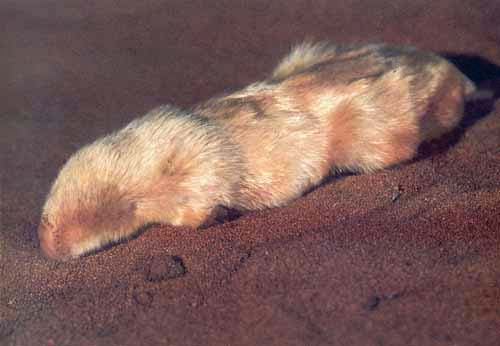
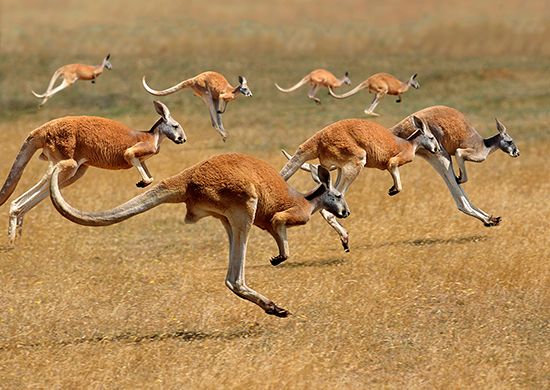
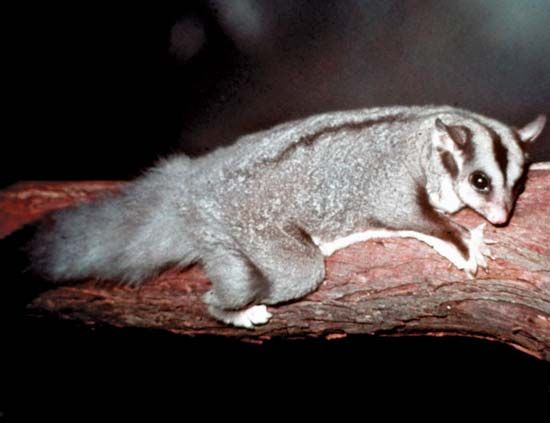
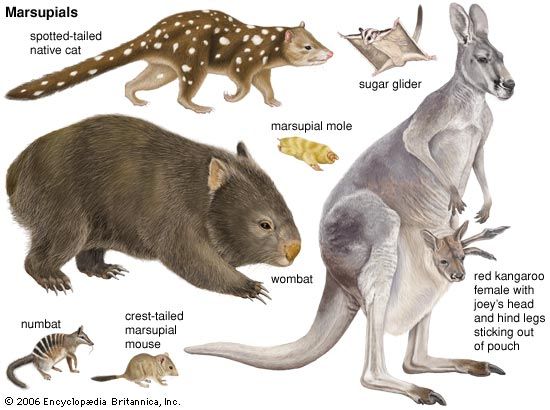
- Locomotion: Burrowing species like wombats and marsupial moles possess powerful foreclaws for tunneling. Terrestrial species, such as kangaroos, utilize well-developed hind limbs for bounding across plains. Arboreal species, including gliders, have developed membranes for movement between trees.1
- Dietary Specialization: Diets range from insectivorous to herbivorous. For example, the numbat uses a specialized tongue to feed on termites, while the honey possum is adapted to feed on flower nectar.1
Reproductive Adaptations
Many marsupials possess a marsupium (pouch) to protect their young, who are born in a highly immature state. In some species, females utilize diapause—a state of suspended embryonic development—which allows them to rapidly recover population numbers following environmental stressors like drought.12

How does the marsupial pouch function in different species?
The marsupium, or pouch, serves as a vital specialized structure for protecting, carrying, and nourishing newborn marsupials. Because these mammals are born in a highly vulnerable, embryonic state, the pouch provides the necessary shelter and warmth for their continued development.4
The function and structure of the pouch vary significantly across species:
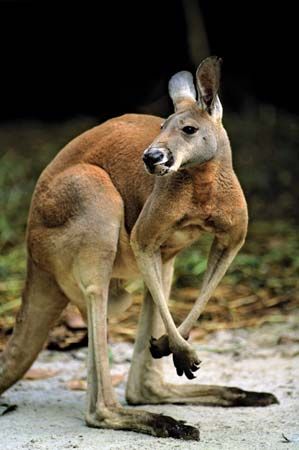
- Well-developed pockets: In many species, such as kangaroos, the marsupium is a prominent, well-developed pocket that fully encloses the young.1
- Simple skin folds: In other species, such as dasyurids, the pouch is merely a simple fold of skin.1
- Pouchless species: Some marsupials lack a pouch entirely. In these cases, the young remain attached to the mother’s exposed nipples, clinging to her body for protection and nourishment.5
Regardless of the pouch’s complexity, its primary role is to cover the mother’s milk-giving teats. Once the newborn makes the journey to the pouch, it attaches firmly to a teat, which swells to secure the young in place. The offspring remain attached for weeks or months until they are sufficiently developed to be weaned.54
How do marsupials differ from placental mammals in terms of reproduction?
Marsupials and placental mammals differ fundamentally in their reproductive strategies, primarily regarding how they nourish and develop their young.
Key Reproductive Differences
- Gestation and Implantation: Placental mammals (eutherians) possess a complex placenta that facilitates a long period of internal development within the uterus, allowing the fetus to receive nutrients and exchange wastes directly with the mother’s blood. In contrast, the marsupial uterine wall is generally not specialized for embryo implantation, and their gestation period is significantly shorter—ranging from about 8 to 40 days.167
- Developmental State at Birth: Because of their limited internal gestation, marsupials are born in a highly immature, embryonic state. Placental mammals, by comparison, are born at a much more advanced stage of development.781
- Post-Birth Development: After birth, marsupials must migrate to the mother’s teats to continue their development, often within a marsupium (pouch), where they remain firmly attached for weeks or months. Placental mammals complete this developmental phase within the womb.761
These differences reflect distinct evolutionary paths, with the placental method of prolonged internal gestation often cited as a factor in the group’s widespread evolutionary success.1
What role do marsupials play in their ecosystems?
Marsupials occupy a wide array of ecological roles, or niches, that are often analogous to those filled by placental mammals in other parts of the world. Their impact on their ecosystems is primarily defined by their diverse diets and specialized behaviors:19
- Pollination: Some marsupials, such as the honey possum, are specialized nectar feeders. By visiting flowers to feed, they inadvertently transport pollen, serving as important pollinators for various plant species, including certain eucalypts.15
- Trophic Roles: Marsupials function at various levels of the food web. Many smaller species, such as dasyurids, act as insectivores, consuming large quantities of insects to meet their high energy needs. Larger species, such as kangaroos and wallabies, serve as primary consumers, filling the ecological role of grazers and browsers.19
- Habitat Modification: Burrowing marsupials, such as wombats, physically alter their environment by tunneling into the ground, which provides shelter and influences soil structure.110
Through these activities, marsupials contribute to the maintenance of their respective communities, demonstrating how organisms adapt to fill specific roles within their habitats.19
Sources
- marsupial — Encyclopædia Britannica
- kangaroo - Reproduction and development — Encyclopædia Britannica
- Locomotion - Climbing — Encyclopædia Britannica
- marsupium — Encyclopædia Britannica
- marsupial: Top Questions — Encyclopædia Britannica
- placental mammal — Encyclopædia Britannica
- mammal - Estrus and other cycles — Encyclopædia Britannica
- Gestation — Encyclopædia Britannica
- mammal - Food habits — Encyclopædia Britannica
- marsupial - Paleontology and recent history — Encyclopædia Britannica
- Tropical rainforest - Relationships between the flora and fauna — Encyclopædia Britannica
- Angiosperm - Pollination — Encyclopædia Britannica
- Savanna - Population and community development and structure — Encyclopædia Britannica
Published on · 4 min read