Oatmeal
Oatmeal is an edible preparation of oats, a cereal grain derived from oat grass. Typically served as a warm breakfast, it is prepared by stewing oats in a…
What is oatmeal?
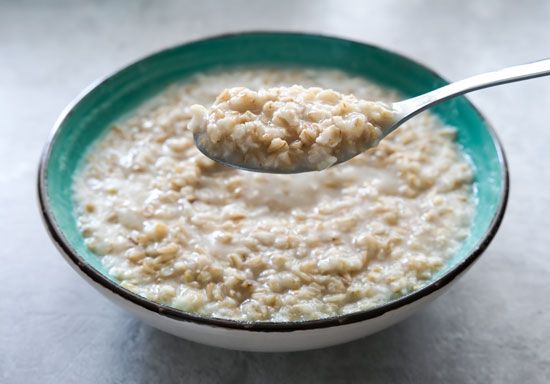
Oatmeal is an edible preparation of oats, a cereal grain derived from oat grass. Typically served as a warm breakfast, it is prepared by stewing oats in a liquid such as milk or water.1
Oatmeal is available in various forms based on processing methods, including:
- Oat groats: The least-processed, dehulled seeds.
- Steel-cut (Irish) oats: Chopped groats that retain a nutty flavor.
- Scottish oats: Ground groats.
- Rolled (old-fashioned) oats: Steamed and flattened to reduce cooking time.
- Quick and instant oats: Further processed for convenience.1
Nutritionally, oats are a valuable source of protein, fat, vitamins, and beta-glucan soluble fiber. The Food and Drug Administration recognizes that regular consumption of whole-grain oats can help reduce the risk of coronary heart disease.1
How is oatmeal made from oats?
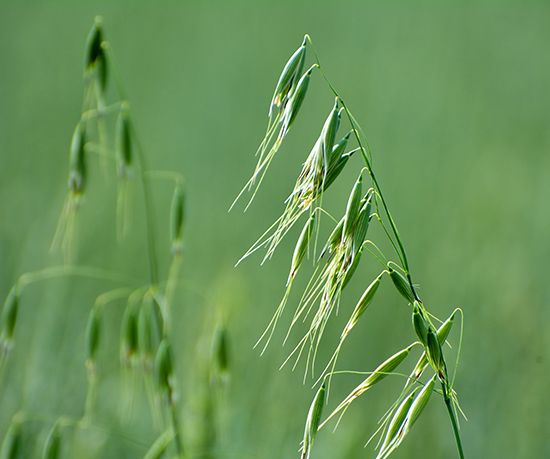
Oatmeal is produced by processing the seeds of oat grass (Avena sativa). Because oats have a high fat content, they must be processed shortly after harvest to prevent spoilage.1
The transformation from raw grain to the various forms of oatmeal involves different mechanical methods:
- Oat groats: These are the starting point for most preparations, created by removing the outer hulls from the seeds.12
- Steel-cut (Irish) oats: Groats are chopped into smaller pieces using a blade, which preserves a nutty, toasted flavor.1
- Scottish oats: Groats are ground into a meal, resulting in a finer texture.1
- Rolled (old-fashioned) oats: Groats are steamed and then flattened to reduce the time required for cooking.1
- Quick and instant oats: These are steamed for longer periods, flattened, and chopped into finer pieces. Instant varieties are often processed further and may be precooked for maximum convenience.1
Once processed, oatmeal is prepared for consumption by stewing these oat products in a heated liquid, such as water or milk.1
What are the different types of oatmeal?
Oatmeal is prepared from oats that have been processed in various ways, resulting in differences in texture, flavor, and cooking time. The primary types include:
- Oat groats: The least-processed form, consisting of the dehulled seeds of the oat plant.
- Steel-cut (Irish) oats: Groats that have been chopped into pieces using a blade; they require a longer cooking time but retain a nutty, toasted flavor.
- Scottish oats: Groats that have been ground into a meal, producing a thick porridge with a smoother texture.
- Rolled (old-fashioned) oats: Groats that have been steamed and flattened to reduce the time needed for cooking.
- Quick oats: Oats that are steamed for a longer duration, flattened, and chopped to further shorten the cooking process.
- Instant oats: The most finely processed variety, which is steamed and chopped to allow for rapid preparation, often sold as a precooked convenience food.
Additionally, “overnight oats” is a popular preparation method where rolled oats are soaked in liquid, such as milk or yogurt, for several hours or overnight to soften them for consumption.1
How is oatmeal usually prepared and eaten for breakfast?
Oatmeal is typically prepared by stewing various forms of oats in a heated liquid, such as water or milk, until they reach a soft, thick consistency. While the cooking process varies depending on the type of oat—ranging from steel-cut to instant—the resulting porridge serves as a versatile breakfast base.13
To enhance flavor and texture, oatmeal is commonly customized with a variety of additions:
- Sweeteners: Brown sugar, honey, or other sugary ingredients.13
- Garnishes: Fresh or dried fruits, nuts, nut butters, seeds, and cream.1
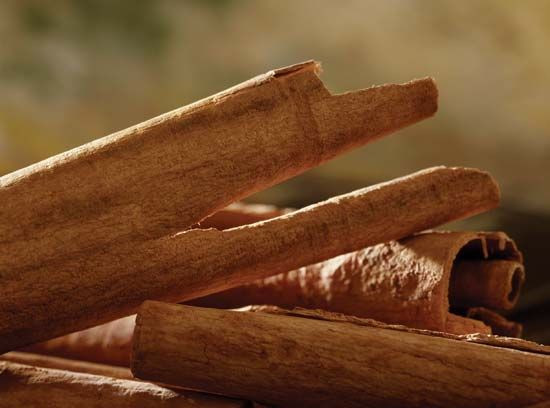
- Spices: Cinnamon and other aromatic spices.1
Additionally, “overnight oats” have become a popular preparation method. This involves soaking rolled oats in liquid with toppings like yogurt or fruit for several hours or overnight in the refrigerator, allowing the oats to soften for consumption either cold or heated.1
Sources
- oatmeal — Encyclopædia Britannica
- Oats — Encyclopædia Britannica
- porridge — Encyclopædia Britannica
Published on · 3 min read