Pika
Pikas are small mammals adapted to cold, high-elevation environments, making them highly sensitive to heat. Because they cannot tolerate high temperatures…
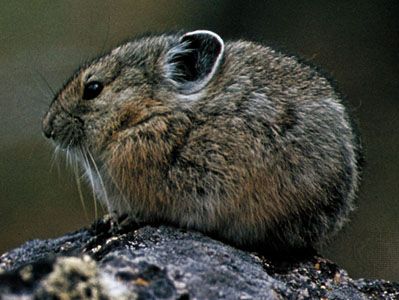
What are the main threats to pika populations, and are they considered endangered?
Pikas are small mammals adapted to cold, high-elevation environments, making them highly sensitive to heat. Because they cannot tolerate high temperatures, they are particularly vulnerable to climate change, which forces them to restrict their activity to cooler times of the day.1
Beyond environmental stressors, pika populations face threats from human activity. In some regions, such as the Tibetan plateau, they are incorrectly viewed as pests that damage grasslands and reduce forage for livestock. Consequently, government agencies have conducted large-scale poisoning campaigns, which may be misguided as pikas serve as a keystone species for regional biodiversity. Additionally, habitat loss remains a significant threat to their survival.1
Regarding their conservation status, not all pikas are considered endangered. However, four specific Asian species—three in China and one in Russia and Kazakhstan—are currently listed as endangered species.1
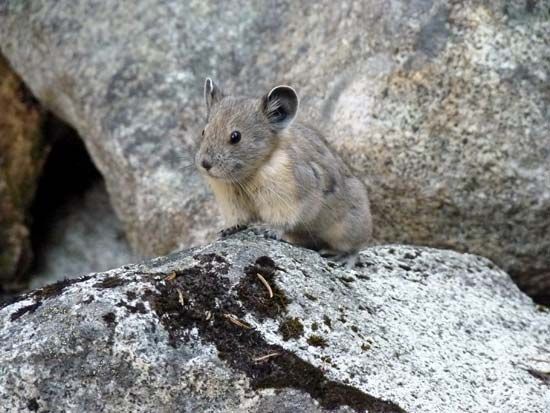
How are pikas adapted to their high-altitude habitats?
Pikas (Ochotona) are highly specialized mammals that have evolved several distinct strategies to survive in harsh, high-altitude environments:
- Temperature Regulation: Most pikas are adapted to cold climates and have a low tolerance for heat. To manage this, they restrict their activity to the early morning and late afternoon when temperatures are cooler.1
- Winter Survival: Unlike many other alpine mammals, pikas do not hibernate. Instead, they remain active throughout the winter. To ensure a food supply when snow blankets their environment, they harvest and store vegetation in caches known as haypiles.13
- Nutrient Efficiency: Pikas practice coprophagy, a process of re-ingesting their own droppings, which allows them to extract additional vitamins and nutrients from their relatively poor-quality forage.1
- Physical Adaptations: Their bodies are well-suited for mountainous terrain, featuring densely furred feet—including the soles—that provide traction and insulation. Their fur is generally long and soft, providing protection against the cold.1
- Habitat Selection: Pikas occupy specific ecological niches that offer protection. Rock-dwelling species live within the labyrinthine structures of talus (broken rock) piles, while burrowing species construct homes in meadow or steppe environments.1
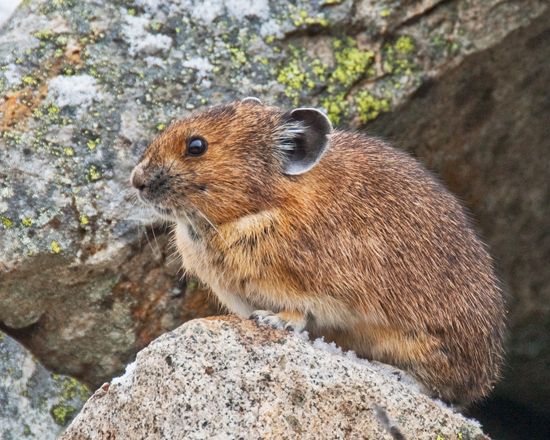
What is the social behavior and communication of pikas like?
The social behavior and communication of pikas vary significantly depending on whether they are rock-dwelling or burrowing species.
Rock-Dwelling Pikas
These pikas are relatively asocial and maintain widely spaced, scent-marked territories. Their interactions with neighbors are infrequent, occurring only once or twice a day, and typically result in aggressive chases. To communicate their presence and keep track of neighbors, they frequently utter short calls, often described as an “eenk” or “ehh-ehh.”1
Burrowing Pikas
In contrast, burrowing pikas live in amicable family groups that occupy and defend a mutual territory. Social interactions within these groups are frequent and include behaviors such as mutual grooming, rubbing noses, and sitting side-by-side. Aggressive behavior is generally reserved for defending their territory against trespassers from other family groups.1
Communication Methods
- Vocalizations: Burrowing pikas possess a much larger vocal repertoire than their rock-dwelling counterparts. These calls often signal group cohesion, particularly among juveniles or between males and young.
- Alarm Calls: All pikas utilize short alarm calls to signal the presence of predators.
- Songs: During the mating season, males perform a long call, or song.1
Where are pikas typically found in the world?
Pikas are primarily found in the mountainous regions of western North America and across much of Asia.1
- North America: Two species reside in North America, inhabiting rocky, high-elevation environments.1
- Asia: The majority of the 29 known species are found in Asia, with 23 species living entirely or partly in China, particularly on the Tibetan plateau.1
- Distribution Range: The northern pika (O. hyperborea) has the largest distribution, ranging from the Ural Mountains to the east coast of Russia and Hokkaido Island in northern Japan Hokkaido Island in northern Japan.1
Pikas are typically found at high elevations, occupying either piles of broken rock (talus) or meadow and steppe environments where they construct burrows. While they were once more widespread during the Pleistocene, their range has since become restricted to these specific mountainous habitats.1
Sources
- pika — Encyclopædia Britannica
- Are pandas endangered? — Encyclopædia Britannica
- Tundra - Alpine mammals — Encyclopædia Britannica
Published on · 3 min read