Purslane
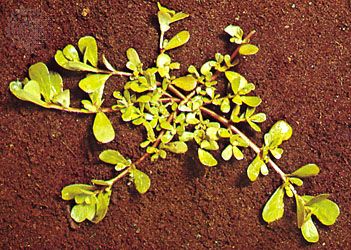
Purslane refers to any of the small, fleshy annual plants belonging to the genus Portulaca within the family Portulacaceae. These plants are characterized by…
What is purslane and where does it typically grow?
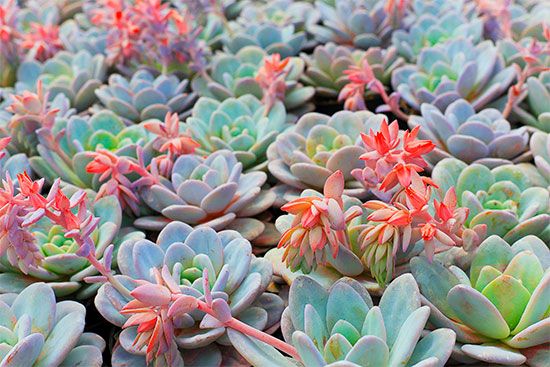
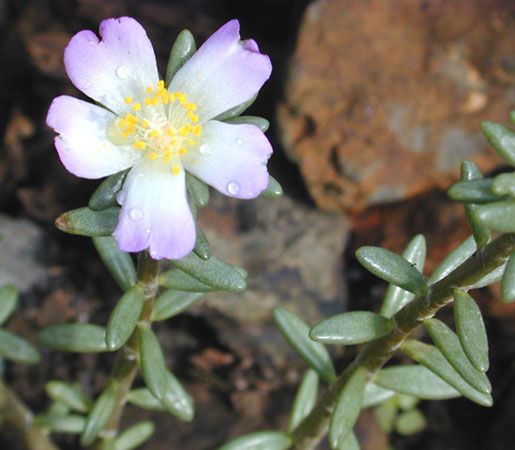
Purslane refers to any of the small, fleshy annual plants belonging to the genus Portulaca within the family Portulacaceae. These plants are characterized by their prostrate, often reddish stems, spoon-shaped leaves, and flowers that bloom in sunlight. While some varieties, such as the common purslane, are considered widespread weeds, others like the kitchen garden pusley are cultivated as potherbs, and the rose moss is grown as an ornamental.12
Regarding their habitat, these plants are known for their remarkable persistence. They are cosmopolitan, succulent herbs that thrive in various environments, including dry, waste soil. Their ability to retain moisture allows them to continue blooming and ripening seeds even after being uprooted, contributing to their status as a common weed in many regions. Additionally, the purslane tree, native to South Africa, is often cultivated as a specimen or indoor plant in warmer climates like California.12
How can purslane be cultivated in home gardens?
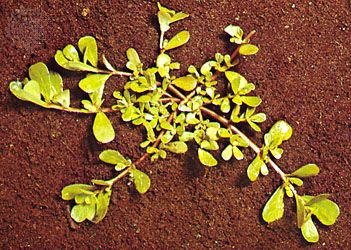
Cultivating purslane in a home garden is relatively straightforward due to the plant’s inherent hardiness and persistence. While often considered a weed, the variety P. oleracea sativa, or kitchen garden pusley, is specifically grown as a potherb.
Cultivation Tips
- Soil Requirements: Purslane is highly adaptable and thrives even in dry, waste soil, making it an easy addition to various garden spots.1
- Propagation: As with many plants, you can propagate purslane sexually through seeds. The plant produces capsules that scatter numerous small seeds, which are known for their great longevity.1
- Maintenance: Because these plants are succulent, they are exceptionally resilient. They can retain enough moisture to continue blooming and ripening seeds even after being uprooted, so gardeners should be mindful of their tendency to spread if not managed.1
For those interested in ornamental varieties, the rose moss (P. grandiflora) is a popular choice for gardens due to its brightly colored flowers. General horticulture practices for propagation, such as using cuttings, may also be applicable to succulent species.13
What are some common misconceptions about purslane as a plant?
A common misconception about purslane is that it is exclusively a nuisance weed. While the common purslane (Portulaca oleracea) is indeed a widespread and often troublesome weed, this view overlooks its historical and culinary utility. In many regions, specific varieties like the kitchen garden pusley (P. oleracea sativa) are intentionally cultivated as a potherb for use in salads and cooked dishes.12
Another misconception involves the plant’s perceived fragility. Because it is a small, fleshy annual, some may assume it is easily eradicated or sensitive to environmental stress. In reality, purslane is remarkably persistent; it thrives in dry, waste soil and possesses the unique ability to retain enough moisture to continue blooming and ripening its seeds even after being uprooted. This resilience, combined with the great longevity of its seeds, often surprises gardeners who underestimate its capacity to survive and spread.1
What are the nutritional benefits of eating purslane?
Sorry, the Britannica knowledge base does not contain this information.
Sources
- purslane — Encyclopædia Britannica
- purslane — Merriam-Webster
- purslane speedwell — Merriam-Webster
- horticulture - Propagation — Encyclopædia Britannica
Published on · 2 min read