Succulent
Succulents are plants characterized by their thick, fleshy tissues, which are specialized for storing water. This adaptation, often paired with crassulacean…
How can succulents be propagated, and what makes them easy to grow for beginners?
Succulents are plants characterized by their thick, fleshy tissues, which are specialized for storing water. This adaptation, often paired with crassulacean acid metabolism—a process where they open their stomata at night to minimize water loss—makes them highly resilient.1
Propagation
Succulents are commonly propagated through cuttage, a process where a detached portion of the plant is induced to regenerate missing parts, such as roots. Because succulents store significant moisture, they are often well-suited for stem or leaf cuttings. While some plants require technical environments like intermittent-mist systems to prevent desiccation, many succulents are capable of rooting in simple, well-draining media.2
Why They Are Beginner-Friendly
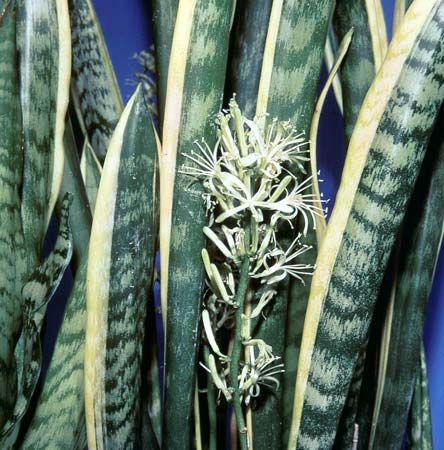
Succulents are popular houseplants because they are remarkably durable. Many species, such as Sansevieria, are known for tolerating neglect and thriving in various indoor locations. Their ability to store water allows them to survive with minimal irrigation, and they generally prefer abundant sunlight, making them manageable for those new to gardening.3
How do succulents store water, and how does this affect their care requirements?
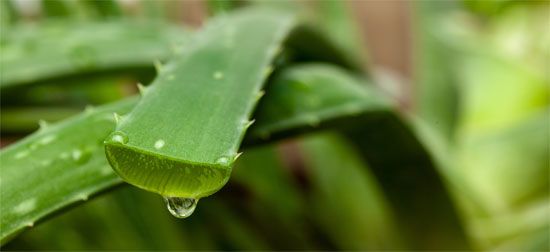
Succulents store water within their thick, fleshy tissues, specifically in their stems or leaves, depending on the species. This specialized adaptation allows them to thrive in arid environments where water is scarce.1
To minimize water loss, many succulents utilize crassulacean acid metabolism, a process where their stomata remain closed during the hot, dry day and open only at night to take in carbon dioxide.1
Because of these water-storage capabilities, their care requirements differ significantly from typical houseplants:
- Irrigation: They require less frequent watering, as they are biologically equipped to survive periods of drought.1
- Environment: They are generally well-adapted to regions with semiarid seasons, making them resilient in environments that might be too dry for other plants.1
- Photosynthesis: Their unique metabolic cycle means they are highly efficient at managing moisture levels, which is a critical factor when determining their placement and watering schedule.1
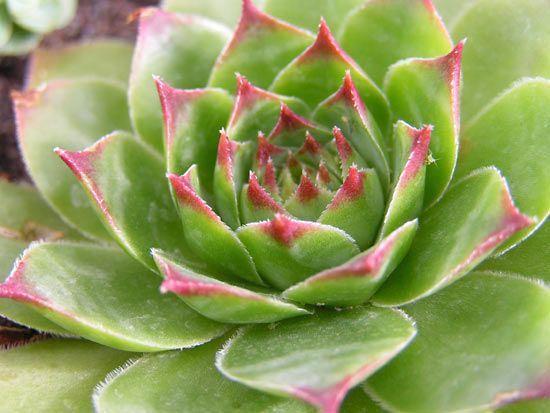
What are the defining characteristics of succulent plants?
Succulents are defined primarily by their thick, fleshy tissues, which have evolved specifically for water storage. This adaptation allows them to survive in arid environments, such as deserts or regions with distinct semiarid seasons.1
Key characteristics include:
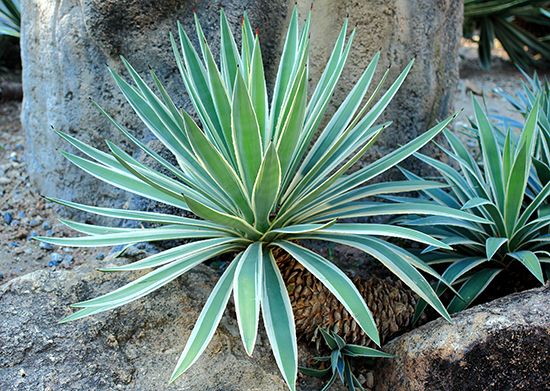
- Water Storage: Depending on the species, water is stored in either the stem (as seen in cacti) or the leaves (as seen in agaves).1
- Root Systems: Most succulents possess broad or deep root systems to efficiently capture available moisture.1
- Metabolic Adaptation: Many succulents utilize crassulacean acid metabolism. Unlike most plants, they keep their stomata closed during the day to minimize transpiration and open them at night to absorb carbon dioxide.1
- Diversity: Succulents are found across more than 60 plant families, including Aizoaceae, Cactaceae, and Crassulaceae.1
Common examples include Aloe, Echeveria, Kalanchoe, and Sansevieria, many of which are popular as ornamental houseplants due to their durability.13
What are some popular types of succulent plants for home gardening?
Many succulent plants are popular for home gardening due to their unique forms and ability to thrive with minimal water. These plants are generally categorized into cacti and non-cactus succulents.3
Popular Cacti
Cacti are well-known for their fleshy, water-storing bodies and preference for bright sunlight. Common varieties include:
- Small/Pygmy Cacti: Rebutia and Parodia (Tom Thumb cactus) are prized for their ability to bloom while still very small.3
- Distinctive Forms: The Echinocactus (barrel cactus), Gymnocalycium (chin cactus), and Cephalocereus (old-man cactus) are popular for their unique shapes and textures.3
- Epiphytic Cacti: Epiphyllum, or orchid cacti, are favored for their colourful blooms.3
Popular Non-Cactus Succulents
These plants offer a wide variety of leaf shapes and growth habits:
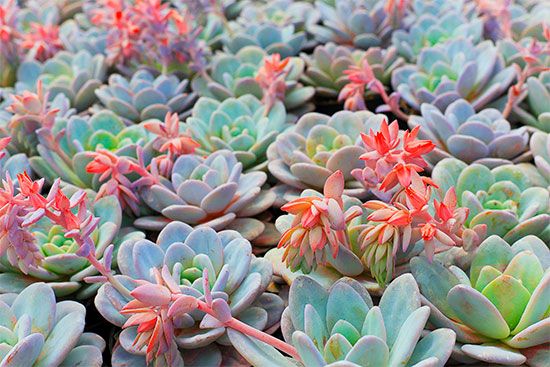
- Leaf Succulents: Aloe is widely grown for its medicinal history, while Echeveria (hen and chickens) is loved for its symmetrical rosettes. Other favorites include the Crassula (jade plant), Haworthia, and Kalanchoe.34
- Durable Varieties: Sansevieria (snake plants) are particularly noted for their ability to tolerate neglect and thrive in less-than-ideal indoor locations.3
- Stem Succulents: Euphorbia species are often chosen for their striking, candelabra-like columns.3
Sources
- Succulent — Encyclopædia Britannica
- horticulture - Layering and cutting — Encyclopædia Britannica
- houseplant - Succulents — Encyclopædia Britannica
- echeveria — Encyclopædia Britannica
Published on · 3 min read