Rose
Roses are susceptible to several common pests and diseases that can impact their health and aesthetic value. Effective management often involves a…
What are some common pests and diseases that affect roses, and how can they be managed?
Roses are susceptible to several common pests and diseases that can impact their health and aesthetic value. Effective management often involves a combination of cultural practices and targeted treatments.
Common Diseases
- Black Spot: Caused by the fungus Diplocarpon rosae, this disease manifests as round black spots on leaves, leading to yellowing and premature leaf drop. It thrives in damp conditions and is spread by splashing water. Management includes planting resistant varieties, removing infected leaves immediately, and applying fungicides.12
- Powdery Mildew: This fungal disease appears as a grayish-white, mold-like growth on young leaves, buds, and stems. It is most severe in crowded, poorly aerated locations. Control measures include improving air circulation through proper spacing and staking, removing diseased parts, and using treatments such as sulfur dust, baking soda solutions, or neem oil.23
Common Pests
- Aphids: These sap-sucking insects, such as the rose aphid, frequently infest new shoots and buds, potentially stunting growth or deforming flowers. They can often be managed by encouraging natural predators like ladybird beetles and lacewings, or by using insecticidal soaps and horticultural oils.245
- Rose Leafhoppers: These insects are known to be particularly injurious to rose foliage.6
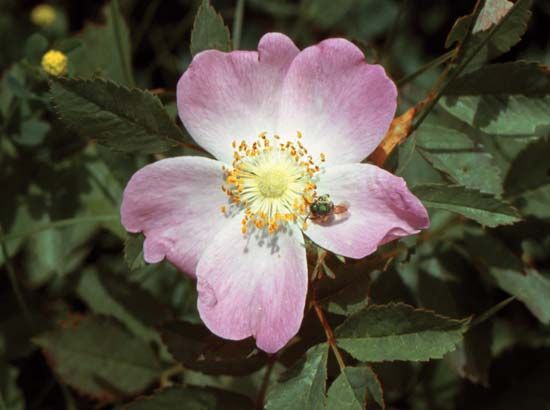
How are roses classified botanically, and what are the main groups or classes of roses?
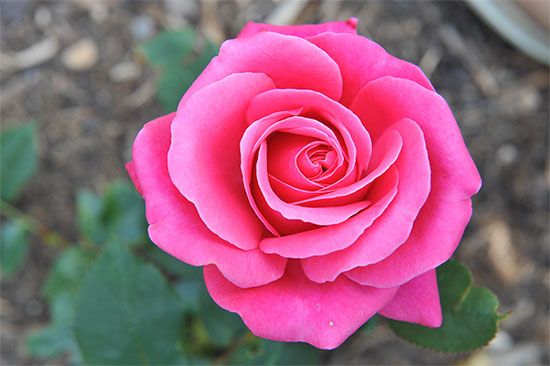
Botanically, roses belong to the genus Rosa, which consists of approximately 100 species of perennial shrubs within the Rosaceae family2. These plants are native primarily to temperate regions of the Northern Hemisphere.2
Garden roses are categorized into several major classes, largely developed through the crossbreeding of fewer than 10 species:2
- Hybrid Tea Roses: The most popular class, known for large, symmetrical blossoms and a wide range of colors.2
- Floribunda Roses: Hardy hybrids created by crossing hybrid teas with polyanthas.2
- Grandiflora Roses: A class resulting from the crossbreeding of hybrid teas and floribundas, characterized by full-blossomed flowers on tall, hardy bushes.2
- Polyantha Roses: Very hardy plants that produce dense clusters of small blossoms.2
- Other Classes: These include climbing roses, which can be trained to ascend structures; shrub roses, which grow into large bushes; and miniature roses, which are small-scale plants.2
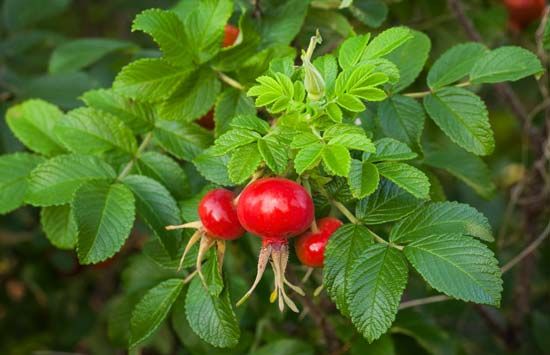
How many species of roses exist, and where are they primarily found in nature?
The genus Rosa consists of approximately 100 species of perennial shrubs belonging to the rose family (Rosaceae).2
These plants are native primarily to the temperate regions of the Northern Hemisphere. Most of these species are native to Asia, while smaller numbers are native to North America, Europe, and northwest Africa. Because rose species from different regions hybridize readily, it can be difficult to determine basic species, and many modern garden roses were developed from the crossbreeding of fewer than 10 of these original species.2
What are some of the most popular rose varieties cultivated for gardens and floral arrangements?
Cultivated roses are categorized into several major classes, each prized for specific aesthetic and growth characteristics. The most popular and widely grown class is the hybrid tea rose, which is favored for its large, symmetrical blossoms and extensive color range, making it a staple in gardens and floral arrangements.210
Other prominent classes include:
- Floribunda Roses: Hardy hybrids known for producing dense clusters of smaller flowers, resulting from crosses between hybrid teas and polyanthas.210
- Grandiflora Roses: A relatively modern class created by crossing hybrid teas and floribundas; these feature full-blossomed flowers on tall, hardy bushes.210
- Polyantha Roses: Very hardy plants that produce abundant, tiny blossoms in dense bunches.2
- Old Roses: A group including varieties like the damask rose, cabbage rose, and alba rose, often valued for their historical significance and fragrance.10
- Specialty Types: These include climbing roses for trellises, shrub roses for landscaping, and miniature roses for small-scale displays.2
Sources
- Black spot — Encyclopædia Britannica
- rose — Encyclopædia Britannica
- Powdery mildew — Encyclopædia Britannica
- rose mildew — Merriam-Webster
- rose leafhopper — Merriam-Webster
- rose aphid — Merriam-Webster
- aphid — Encyclopædia Britannica
- wild rose — Merriam-Webster
- Rosales - Distribution and abundance — Encyclopædia Britannica
- hybrid tea rose — Merriam-Webster
- Rosales - Ornamental species — Encyclopædia Britannica
Published on · 3 min read