River Clwyd
The River Clwyd is a river located in northeastern Wales. It rises approximately 7 miles southwest of the town of Ruthin and flows for 35 miles (55 km)…
What is River Clwyd?
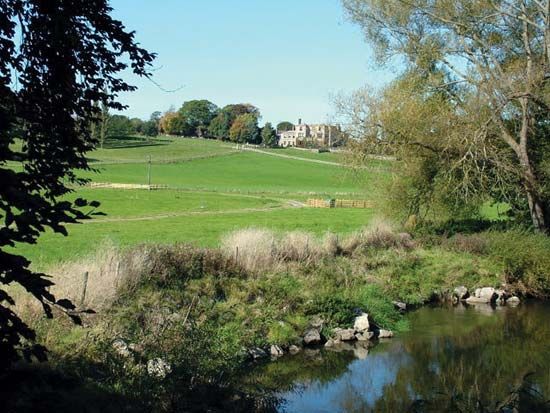
The River Clwyd is a river located in northeastern Wales. It rises approximately 7 miles southwest of the town of Ruthin and flows for 35 miles (55 km) through the Vale of Clwyd.12
As it travels, the river descends about 1,200 feet (370 metres), passing through Denbighshire and the city of St. Asaph before reaching the Irish Sea at Rhyl. At its mouth, the river serves as the boundary between Denbighshire and the Conwy county borough. The landscape surrounding the river is characterized by a deep trough in the Welsh uplands, where the valley floor is composed of relatively soft sandstones covered by glacial material.1
What is the Vale of Clwyd?
The Vale of Clwyd is a significant geographical feature in northeastern Wales, forming a deep trough within the Welsh uplands. The floor of the vale is composed of relatively soft sandstones covered by glacial material.1
The River Clwyd flows through the length of the vale for 35 miles (55 km), descending approximately 1,200 feet (370 metres) on its journey toward the Irish Sea at Rhyl. Administratively, the vale is part of the modern county of Denbighshire.13
Historically, the area has been a focal point for human settlement since ancient times, with evidence of Iron Age activity, such as the hill fort of Pen-y-Corddyn, and remnants of Roman roads and lead mining. Following the 13th-century conquest of northern Wales by Edward I, the region became the site of several English-built castles, including those at Denbigh and Ruthin.3
How do glacial deposits shape Welsh landscapes?
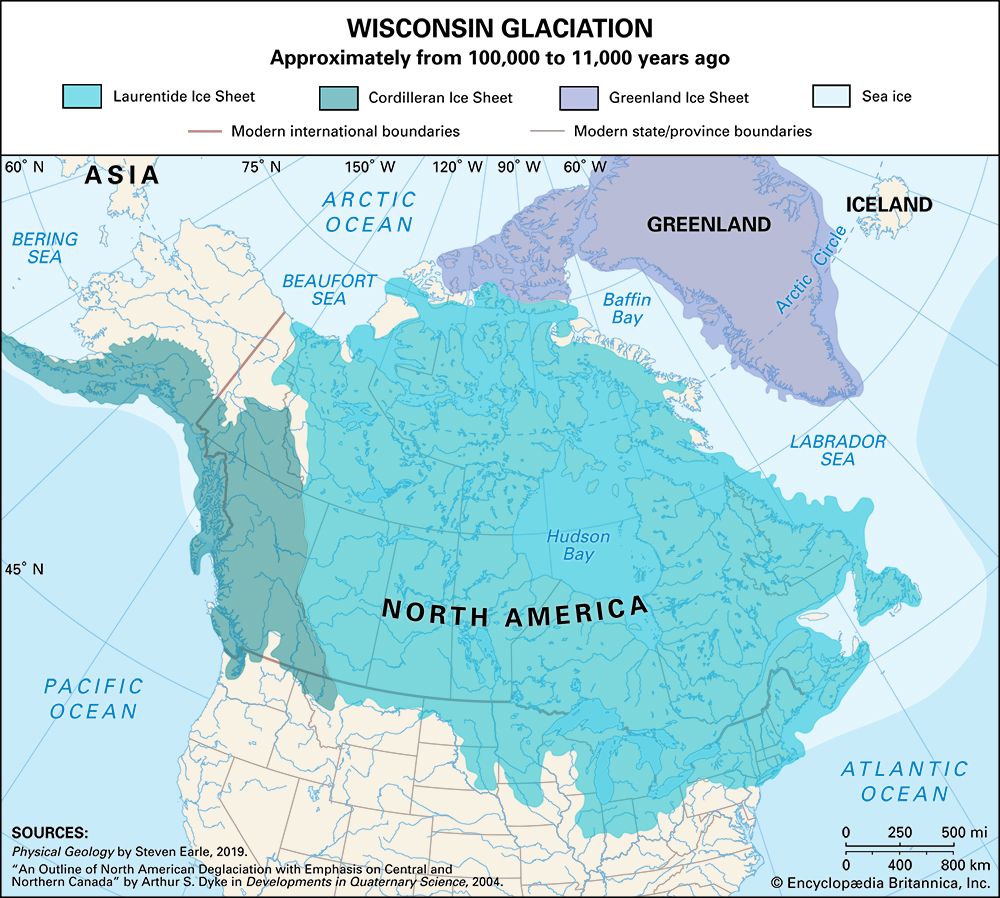
During the Pleistocene Epoch, glaciers profoundly transformed the Welsh landscape through both erosional and depositional processes. While the movement of ice carved the region into its characteristic deeply dissected mountains, plateaus, and hills, the subsequent deposition of materials significantly altered the surface composition of the land.4
As the great ice sheets moved across Wales, they scraped up and transported vast amounts of debris. This material was deposited as till, or boulder clay, which blanketed most of the landscape. Consequently, the soils found across Wales today are largely derived from this glacial till rather than the underlying parent rock, which ranges from Precambrian to Jurassic in age.5
In specific areas like the Vale of Clwyd, this glacial material acts as a surface layer covering the floor of the deep trough, which is otherwise composed of relatively soft sandstones. These deposits are fundamental to the modern Welsh environment, as they dictate the distribution of acidic, leached podzol soils and brown earths that predominate throughout the country.15
What are the major rivers in Wales?
The drainage system of Wales is defined by a central north-south watershed, with major rivers originating in the highlands and flowing either westward toward the sea or eastward toward the English border.2
Key rivers include:
- Severn: One of Britain’s longest rivers, it rises on the slopes of Plynlimon and flows southward, eventually draining into the Bristol Channel.26
- Wye: Also originating in the central highlands, it is a major river that flows through eastern Wales.2
- Dee: The primary river of northern Wales, which flows northward to empty into Liverpool Bay.2
- Clwyd: A 35-mile-long river in the northeast that flows through the Vale of Clwyd to the Irish Sea.21
- Conwy: Another significant river located in the northeast.2
- Tywi and Rheidol: Important rivers draining the southern and western regions, respectively, with the Rheidol flowing into Cardigan Bay.2
Sources
- River Clwyd — Encyclopædia Britannica
- Wales - Drainage — Encyclopædia Britannica
- Denbighshire — Encyclopædia Britannica
- Wales - Relief — Encyclopædia Britannica
- Wales - Soils — Encyclopædia Britannica
- River Severn — Encyclopædia Britannica
Published on · 3 min read