Rubʿ al-Khali
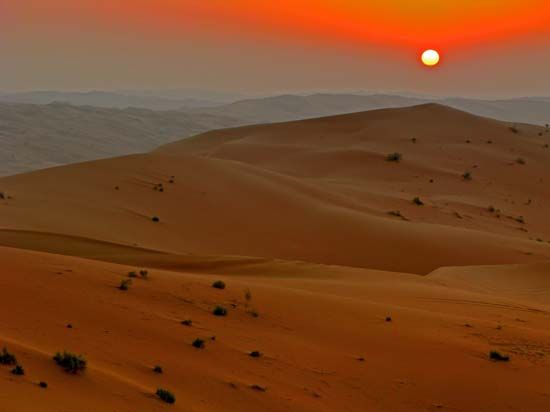
The Rubʿ al-Khali, also known as the "Empty Quarter," covers an area of approximately 250,000 square miles (650,000 square km). It is recognized as the…
How large is the Rub’ al-Khali desert, and how does it compare to other famous deserts?
The Rubʿ al-Khali, also known as the “Empty Quarter,” covers an area of approximately 250,000 square miles (650,000 square km). It is recognized as the world’s largest area of continuous sand.12
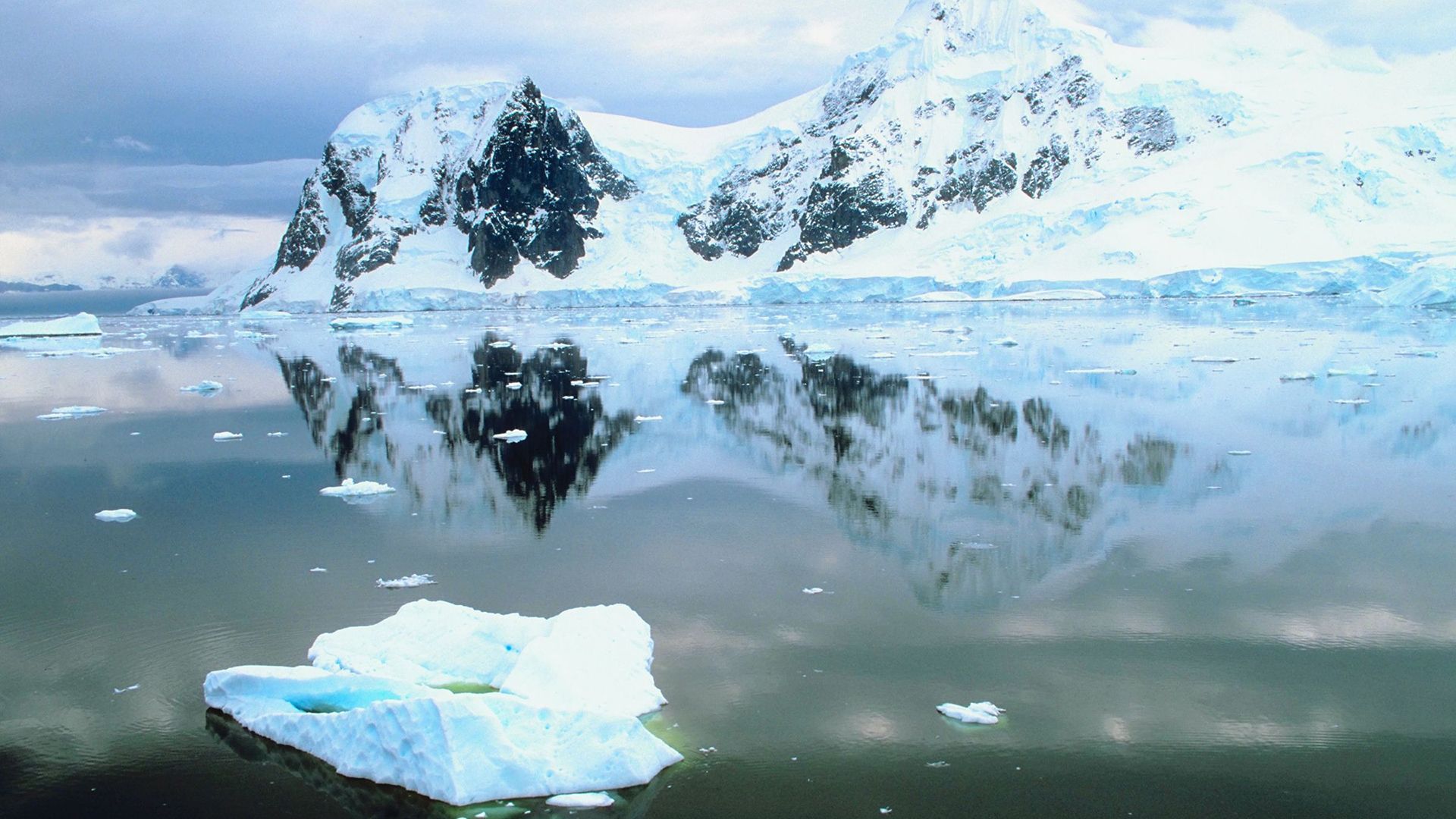
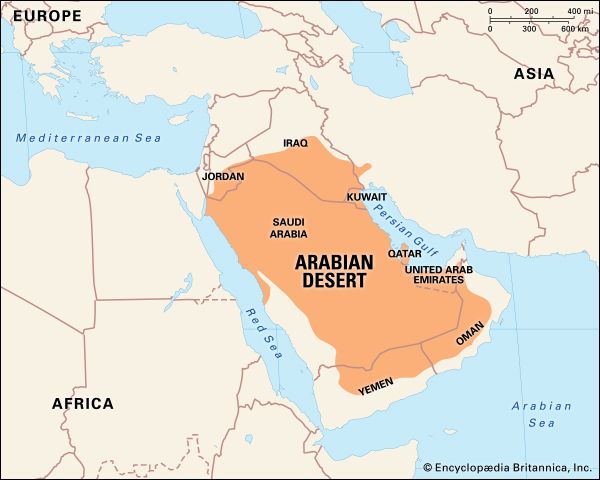
When compared to other major deserts, the Rubʿ al-Khali ranks as the eighth-largest desert on Earth. It is significantly smaller than the world’s largest deserts, such as the Antarctic Ice Sheet (5,390,000 square miles) and the Sahara (3,320,000 square miles). It also constitutes a portion of the much larger Arabian Desert, which spans roughly 900,000 square miles. Its size is comparable to the Patagonian Desert (260,000 square miles) and the Great Victoria Desert (250,000 square miles).31
Despite its vast, arid landscape, the region is geologically significant for its massive petroleum and natural gas reserves, including the Al-Ghawār oil field.1
How has the Rub’ al-Khali been depicted in literature, art, or popular culture?
The Rubʿ al-Khali, or “Empty Quarter,” has been famously depicted in travel literature, most notably through the works of the British explorer Wilfred Thesiger.
In his classic 1959 book, Arabian Sands, Thesiger provided a detailed and evocative account of his two-month crossing of the desert in 1945. His writing captures the harsh beauty of the landscape and his deep admiration for the Bedouin guides who accompanied him. Thesiger’s work is significant not only for its geographical descriptions but also for its romanticized perspective on traditional nomadic life, which he viewed as a noble alternative to the encroaching influence of modern Western technology and civilization.
Beyond his prose, Thesiger’s legacy in documenting the region is preserved through his extensive collection of over 38,000 photographs, which offer a visual record of the desert and its inhabitants during the mid-20th century. These materials remain a primary reference for those interested in the cultural and physical history of the Arabian Peninsula.
What is the cultural and historical significance of the Rub’ al-Khali for the Arabian Peninsula?
The Rubʿ al-Khali, or “Empty Quarter,” holds profound historical and cultural significance for the Arabian Peninsula. While often perceived as a desolate, uninhabited expanse, it has served as a cradle for human activity since the Pleistocene epoch, with rich archaeological evidence of Paleolithic and Neolithic cultures found throughout its sands.16
Culturally, the desert is deeply tied to the Bedouin people. For centuries, these nomadic groups navigated the region, establishing tribal territories known as dirah and maintaining complex social structures centered on camel breeding and trade. Their interaction with settled populations—facilitated by pilgrimage routes and commerce—helped shape the peninsula’s social fabric.67
Economically, the discovery of petroleum in the 20th century transformed the region’s significance. The 1948 discovery of the Al-Ghawār oil field in the desert’s northeastern reaches fundamentally altered the geopolitical and economic landscape of the modern Arab world, fueling rapid modernization and urbanization. Today, the region remains a vital, albeit challenging, frontier for energy production and scientific study.157
What are the unique geographical features of the Rub’ al-Khali desert?
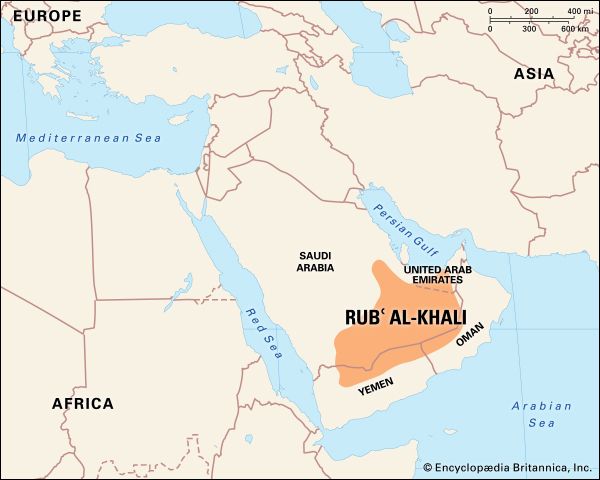
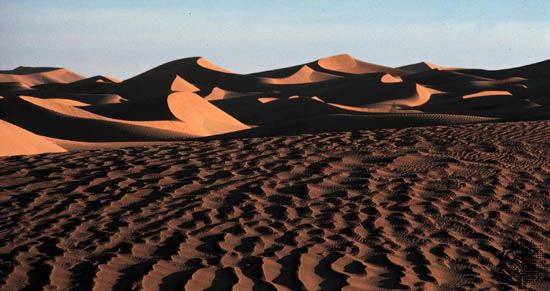
The Rubʿ al-Khali, also known as “The Empty Quarter” or Al-Ramlah, is the world’s largest continuous sand desert, covering approximately 250,000 square miles (650,000 square km) in a structural basin across the southern Arabian Peninsula.19
Its unique geographical features include:
- Varied Topography: The desert features a distinct elevation gradient. In the west, the terrain reaches heights of 2,000 feet (610 meters) with fine, soft sand. In the east, the elevation drops to about 600 feet (180 meters), characterized by massive sand dunes, sabkhahs (salt flats), and sand sheets.1
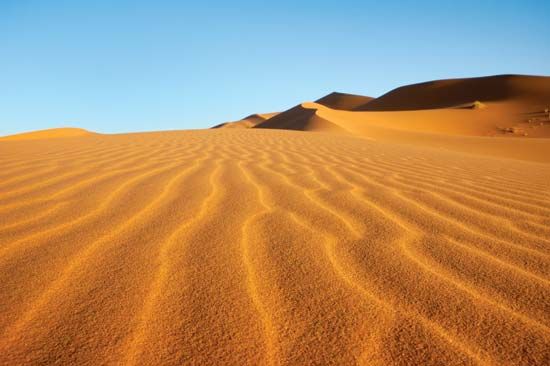
- Diverse Dune Systems: The region displays a variety of dune forms, including barchan (crescentic), transverse, and seif (linear) dunes, as well as giant “sand mountains” that take the shape of pyramids, domes, and sigmoidal ridges. In the far east, dunes can exceed 800 feet in height, with sand ridges extending over 30 miles.39
- Salt Flats: The desert floor is often punctuated by large salt flats, such as the Maṭṭi salt marsh and the expansive Umm Al-Samīm, which can be treacherous to navigate.93
- Aridity: It is one of the driest regions on Earth, with some areas experiencing droughts lasting over a decade, though it occasionally receives thunderstorms.9
Sources
- Rubʿ al-Khali — Encyclopædia Britannica
- world’s largest deserts — Encyclopædia Britannica
- Arabia - The Rubʿ al-Khali — Encyclopædia Britannica
- Wilfred Thesiger — Encyclopædia Britannica
- Rubʽ al-Khali — Merriam-Webster
- Arabian Desert - Resources — Encyclopædia Britannica
- Arabian Desert - People of the Arabian Desert — Encyclopædia Britannica
- Arabian Desert - Study and exploration — Encyclopædia Britannica
- Arabian Desert - Geology of the Arabian Desert — Encyclopædia Britannica
- Arabian Desert - Physiography — Encyclopædia Britannica
- Arabia - Geology — Encyclopædia Britannica
- sand dune - Sands — Encyclopædia Britannica
Published on · 3 min read