Great Victoria Desert
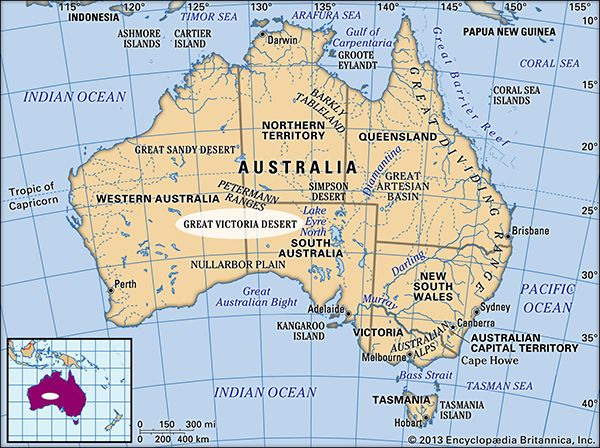
The Great Victoria Desert, which spans parts of Western Australia and South Australia, is a vast arid region traditionally inhabited by Aboriginal peoples.
What indigenous groups have traditionally inhabited the Great Victoria Desert?
The Great Victoria Desert, which spans parts of Western Australia and South Australia, is a vast arid region traditionally inhabited by Aboriginal peoples.1
While the provided search results do not list every specific tribal group by name for this particular desert, they note that much of the region’s eastern end is occupied by Central and North West Aboriginal reserves. Historically, Aboriginal communities across Australia lived as hunter-gatherers, maintaining deep connections to their ancestral lands through complex social, linguistic, and ritual networks. In thinly populated areas like the Western Desert, which includes the Great Victoria Desert, these groups traditionally organized themselves into chains of closely related dialects spread over wide areas.123
The colonization of Australia led to the widespread displacement of these Indigenous populations, often through the confiscation of land for pastoral use, which devastated traditional ways of life. It is a fundamental ethical principle to recognize the enduring presence and sovereignty of these Indigenous groups on their traditional lands.4
How do plants and animals adapt to survive in the harsh conditions of this desert?
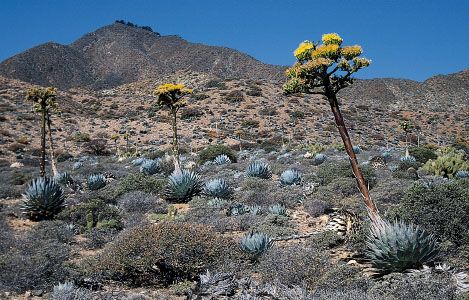
Plants and animals in the Great Victoria Desert and similar arid environments have evolved specialized strategies to survive extreme heat and infrequent moisture.1
Plant Adaptations
Desert plants, or xerophytes, utilize several mechanisms to manage water scarcity:
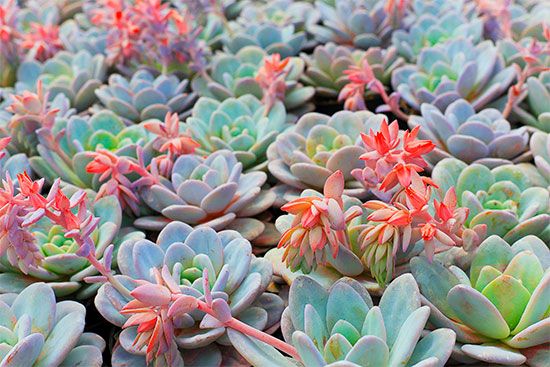
- Water Storage: Succulents store water in thick, fleshy stems or leaves.51
- Dormancy: Many perennial plants remain physiologically inactive during dry periods, while ephemeral plants survive as resistant, dormant seeds that germinate rapidly after rain.1
- Water Conservation: Plants may feature waxy leaf coatings, hairy or reflective surfaces to reduce water loss, or the ability to drop leaves during droughts. Some species possess deep root systems to access groundwater.51
- Resurrection: Certain plants, such as mosses and lichens, can desiccate and become inactive, only to resume physiological activity once they absorb moisture.1
Animal Adaptations
Desert animals often exhibit behavioral and physiological traits to minimize dehydration:
- Subterranean Habits: More than half of desert animals are burrowers, remaining underground during the day to stay in cooler, more humid conditions.1
- Nocturnal Activity: Many species emerge only at night to feed, avoiding the dehydrating heat of the day.1
- Nomadism: Many birds are nomadic, allowing them to relocate to areas where recent rainfall has provided temporary food and water.6
- Physiological Efficiency: Animals like camels utilize specialized blood cells and metabolic processes to survive with minimal water intake.7
How does the Great Victoria Desert compare to other Australian deserts in terms of size and characteristics?
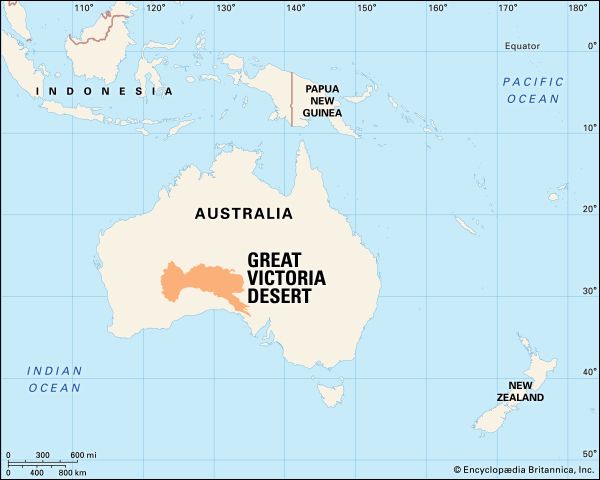
The Great Victoria Desert is the largest desert in Australia, covering an area of approximately 647,000 square kilometers (250,000 square miles). In terms of global scale, it ranks as the ninth-largest desert in the world.111
Comparison of Size
The Great Victoria Desert is significantly larger than other prominent Australian deserts. For instance, it is more than 1.5 times the size of the Great Sandy Desert, which covers 400,000 square kilometers (150,000 square miles), and over four times larger than the Gibson Desert, which spans 155,000 square kilometers (60,000 square miles).11
Characteristics
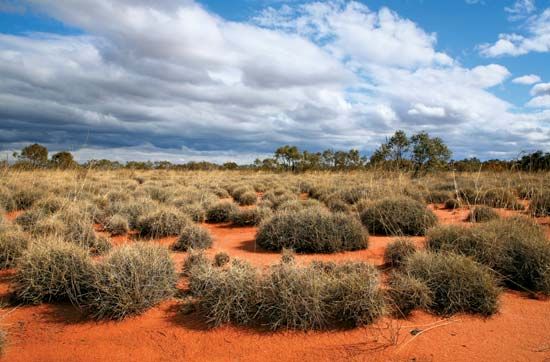
The Great Victoria Desert is characterized by a vast, arid landscape of sand hills, which are partly stabilized by Triodia (Spinifex) grass and salt marshes. Geographically, it sits between the Gibson Desert to the north and the Nullarbor Plain to the south. Unlike some other global deserts that have been heavily altered by thousands of years of agriculture, the Australian desert vegetation remains relatively distinct, though the region faces ongoing challenges from desertification and human activity.112
What conservation efforts are in place to protect the Great Victoria Desert’s biodiversity?
Conservation efforts for the Great Victoria Desert focus on protecting its unique arid ecosystems through the establishment of designated protected areas and broader national biodiversity strategies.
Protected Areas
The region is managed through several dedicated reserves that aim to safeguard its native biota. Key protected areas within or adjacent to the desert include:
- Great Victoria Desert Nature Reserve: A primary zone established to preserve the desert’s natural state.1
- Flora and Fauna Conservation Park: Dedicated to the protection of local plant and animal species.1
- Nullarbor National Park: Located to the south, this park contributes to the broader conservation of the arid landscape.1
Strategic Frameworks
Beyond localized reserves, the Great Victoria Desert benefits from national and state-level initiatives:
- Biodiversity Conservation Strategy: Implemented by the Australian government, this framework provides a guiding policy for biodiversity conservation across the country, involving collaboration between federal, state, and local governments.10
- State-Level Management: In Western Australia, the Department of Environment and Conservation (established in 2006) is responsible for implementing policies to preserve biodiversity, which includes managing threats such as feral animals and habitat degradation.14
- Indigenous Reserves: Significant portions of the desert are occupied by Aboriginal reserves, which play a role in the stewardship of the land.1
Sources
- Great Victoria Desert — Encyclopædia Britannica
- Victoria - Aboriginal peoples — Encyclopædia Britannica
- Australian Aboriginal languages - Classification and distribution — Encyclopædia Britannica
- Colonization of Australia - Northern Territory — Encyclopædia Britannica
- Do Camels Store Water in Their Humps? — Encyclopædia Britannica
- Xerophyte — Encyclopædia Britannica
- Desert - Flora — Encyclopædia Britannica
- Desert - Population and community development and structure — Encyclopædia Britannica
- Desert - Fauna — Encyclopædia Britannica
- Victoria - Plant and animal life — Encyclopædia Britannica
- Western Australia - Relief — Encyclopædia Britannica
- world’s largest deserts — Encyclopædia Britannica
- Victoria - Land — Encyclopædia Britannica
- Western Australia - Plant and animal life — Encyclopædia Britannica
- Australia - Conservation — Encyclopædia Britannica
Published on · 4 min read