Sea Urchin
Sea urchins are vital marine invertebrates that significantly influence the structure and health of their ecosystems. As efficient scavengers and herbivores…
What role do sea urchins play in marine ecosystems?
Sea urchins are vital marine invertebrates that significantly influence the structure and health of their ecosystems. As efficient scavengers and herbivores, they help regulate the populations of various small organisms and control the growth of seaweed.1
Their ecological roles include:
- Habitat Maintenance: In coral reefs, sea urchins control seaweed growth, which allows coral reefs to flourish. Conversely, their removal can lead to seaweed overgrowth that devastates these habitats.1
- Physical Alteration: By burrowing into rocks and shorelines, some species accelerate erosion. They also disturb seafloor sediments, which alters the physical and chemical composition of the environment.1
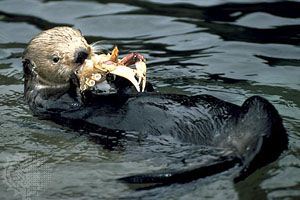
- Trophic Interactions: Sea urchins serve as a primary food source for predators like the sea otter. Predation on herbivorous urchins by otters is essential for the health of kelp forests, as it prevents the urchins from overgrazing the kelp.2
- Negative Impacts: When present in excessive numbers, sea urchins can devastate seagrass beds and interfere with the regrowth of commercial seaweed species.13
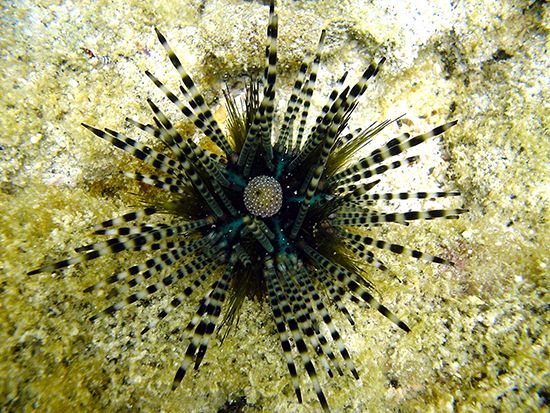
What are the main characteristics of sea urchins that classify them as echinoderms?
Sea urchins are classified as echinoderms based on several defining biological and structural characteristics shared with other members of the phylum Echinodermata.
Key Characteristics
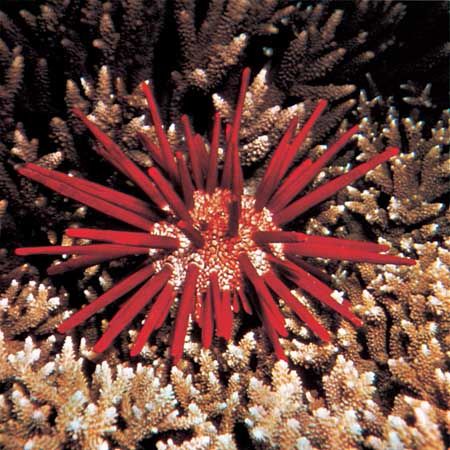
- Calcareous Skeleton: Sea urchins possess a rigid, globular, or discoid exoskeleton known as a test, which is composed of interlocking plates made of calcium carbonate in the form of calcite.56
- Pentamerous Symmetry: Like all living echinoderms, sea urchins exhibit five-part (pentamerous) radial symmetry. This is clearly visible in their body structure, where tube feet emerge through five distinct bands called ambulacra.56
- Water-Vascular System: A defining feature of the phylum is a specialized water-vascular system, a network of fluid-filled canals derived from the coelom that facilitates movement and respiratory exchange.75
- External Features: Their test is typically covered in movable spines and pedicellariae, which are small, pincer-like structures. Many species also possess a complex internal jaw apparatus known as Aristotle’s lantern used for feeding.568
- Marine Habitat: Due to their inability to regulate the osmotic pressure of their coelomic fluid, which matches that of seawater, sea urchins are restricted to strictly marine environments.7
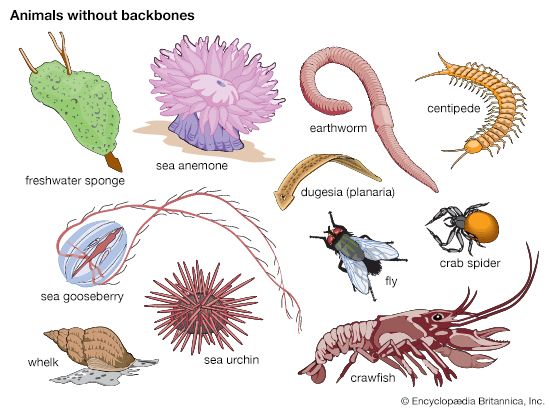
How do sea urchins reproduce and what are the stages of their life cycle?
Sea urchins primarily reproduce through sexual means, though they also possess a remarkable capacity for regeneration.
Sexual Reproduction
Most sea urchins have separate sexes and reproduce by shedding their gametes directly into the water, a process known as broadcast spawning. Because fertilization is species-specific, the egg’s jelly coat plays a critical role in ensuring that only sperm from the appropriate species can bind to and fertilize the egg.411
Life Cycle and Development
The development of sea urchins typically follows an indirect path involving several stages:12
- Embryonic Stages: After fertilization, the egg undergoes cleavage to form a hollow, ciliated ball of cells called a blastula. This then invaginates to become a double-layered gastrula, which eventually develops into a larva.12
- Larval Stage: The characteristic larva of sea urchins is called an echinopluteus. It is a free-swimming, planktonic organism that exhibits bilateral symmetry and possesses fragile arms supported by calcite rods.12
- Metamorphosis: After spending days or weeks in the plankton, the larva undergoes a complex metamorphosis. During this transformation, the bilateral symmetry of the larva is replaced by the radial symmetry characteristic of adult echinoderms, and the juvenile urchin settles onto the seafloor.12
Regeneration
In addition to sexual reproduction, sea urchins exhibit a strong ability to regenerate lost body parts, including their spines, pincerlike pedicellariae, and small portions of their internal skeleton, or test.13
What defense mechanisms do sea urchins use to protect themselves?
Sea urchins employ a variety of physical and chemical defense mechanisms to protect themselves from predators. Their primary defenses include:
- Spines: Most sea urchins are covered in a formidable array of long, movable spines that serve as a physical barrier against predators. In some species, such as hatpin urchins, these spines can reach lengths of up to 30 centimeters and are highly toxic.416
- Pedicellariae: These are minute, pincer-like organs located on the surface of the urchin’s body. They function to keep the animal’s surface clear of parasites and debris, but in many species, they are also highly venomous, capable of causing intense pain and fever in potential attackers, including humans.41716
- Aristotle’s Lantern: While primarily a feeding apparatus, the complex dental structure known as Aristotle’s lantern may also be venomous in some species, providing an additional layer of defense.4
- Burrowing and Shielding: Some urchins use their tube feet to hold bits of seaweed or shell over their bodies as a shield against sunlight or to provide camouflage. Additionally, many species can excavate hiding places in rock, coral, or even steel to escape predation.4
- Rigid Test: The urchin’s internal skeleton, or test, is composed of hard, interlocking plates that provide a sturdy, protective shell.416
Sources
- echinoderm - Role in nature — Encyclopædia Britannica
- otter - Saltwater otters — Encyclopædia Britannica
- echinoderm - Relation to human life — Encyclopædia Britannica
- sea urchin — Encyclopædia Britannica
- Integument - Echinoderms — Encyclopædia Britannica
- Circulatory system - Echinodermata — Encyclopædia Britannica
- echinoderm — Encyclopædia Britannica
- echinoderm - Annotated classification — Encyclopædia Britannica
- echinoderm - Symmetry and body form — Encyclopædia Britannica
- skeleton - Calcareous structures — Encyclopædia Britannica
- echinoderm - Asexual reproduction — Encyclopædia Britannica
- echinoderm - Development — Encyclopædia Britannica
- amphibian - Metamorphosis — Encyclopædia Britannica
- Animal reproductive system - Echinoderms and protochordates — Encyclopædia Britannica
- Fertilization - Specificity of sperm-egg interaction — Encyclopædia Britannica
- pedicellaria — Merriam-Webster
- mollusk - Features of defense — Encyclopædia Britannica
- echinoderm - Predation and defense — Encyclopædia Britannica
Published on · 4 min read