Otter
Sea otters (Enhydra lutris) are considered keystone species because they exert a disproportionate influence on their ecosystems relative to their abundance…
What role do otters play in their ecosystems, and how are they considered keystone species?
Sea otters (Enhydra lutris) are considered keystone species because they exert a disproportionate influence on their ecosystems relative to their abundance, primarily by regulating prey populations through trophic cascades.12
Role in Kelp Forests
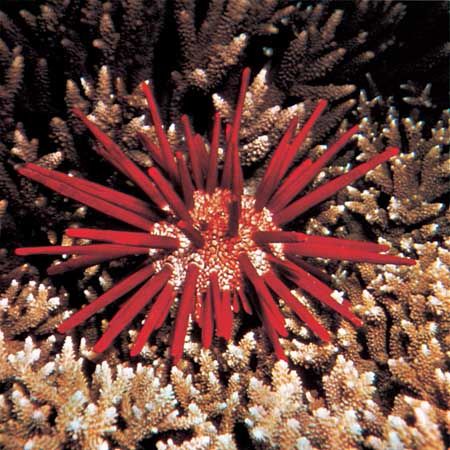
In Pacific coastal waters, sea otters serve as apex predators that consume sea urchins. Without otters, urchin populations can explode and consume the holdfasts of giant kelp, causing the kelp to detach and float away. By keeping urchin numbers in check, otters allow kelp forests to flourish, which in turn provide vital habitat for numerous marine species.32
Role in Eelgrass Meadows
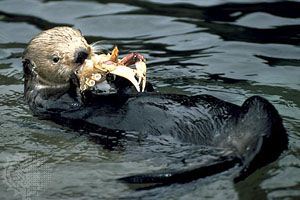
Otters also support eelgrass health in estuaries like California’s Elkhorn Slough. In these systems, otters prey on crabs, which otherwise consume the small invertebrates that graze on algae. By controlling crab populations, otters indirectly allow these invertebrates to thrive and keep the eelgrass free of smothering algal overgrowth.2
The preservation of sea otters is essential for maintaining the structural integrity and biodiversity of these coastal environments.12
What are the main threats to otter populations, and what conservation efforts are in place to protect them?
Otter populations face a variety of significant threats, primarily driven by human activity and environmental degradation. While historical hunting for the fur trade brought species like the sea otter to the brink of extinction by 1910, modern challenges are more multifaceted.2
Primary Threats
- Habitat Loss: Urbanization and logging continue to destroy critical wetland and coastal habitats, leaving otters with fewer places to den and forage.4
- Pollution: Contaminants such as mercury and PCBs accumulate in otter tissues, impairing their survival and reproductive success. For sea otters, oil spills are particularly devastating; because they rely on their dense fur for insulation, oil matting can lead to fatal hypothermia. for insulation, oil matting can lead to fatal hypothermia.4
- Environmental Stressors: High metabolic demands make otters sensitive to fluctuations in prey availability, extreme weather, and human disturbances like boat traffic, which can interfere with essential resting and grooming behaviors.5
- Natural and Biological Factors: Predation by sharks and killer whales, as well as disease and superficial infections, also contribute to population declines.2
Conservation Efforts
Conservation strategies focus on protecting the environments upon which these animals depend:
- Legal Protections: International agreements, such as the 1911 North Pacific Sealing Convention, were early milestones in protecting sea otters from commercial exploitation.2
- Habitat Restoration: Protecting remaining wetlands and restoring water quality are currently considered the most vital steps for ensuring the long-term survival of otter species.4
- Monitoring and Classification: Organizations like the International Union for Conservation of Nature (IUCN) track the status of various species, many of which are currently listed as endangered or vulnerable, to guide management and policy decisions.4
What is the typical diet of an otter, and how do they hunt for their food?
Otters are opportunistic predators, with their diets varying significantly based on their environment and the seasonal availability of prey.
Freshwater Otters
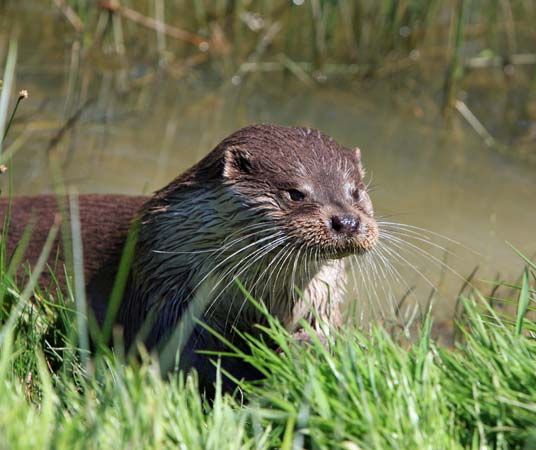
River otters consume a variety of prey, including fish, crayfish, crabs, mussels, and frogs. They primarily hunt using their vision to chase fish, but they also rely on manual dexterity to dislodge crustaceans from under rocks. Sensory hairs on their snouts, known as vibrissae, help them detect water turbulence to locate prey.7
Saltwater Otters
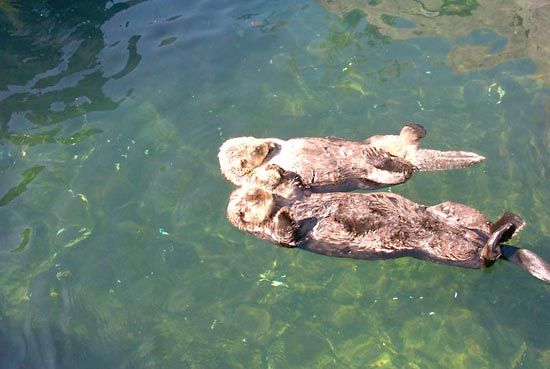
Sea otters feed mainly on sea urchins, crabs, and other shellfish, though they also eat fish. They are famous for their tool use: they often float on their backs and use rocks to smash open hard-shelled prey on their chests, while crushing sea urchins with their teeth and forefeet. The marine otter of South America similarly hunts for crustaceans, mollusks, and fish in nearshore environments.82
How are otters adapted to their aquatic lifestyle?
Otters have evolved a suite of specialized adaptations that allow them to thrive in aquatic environments, ranging from freshwater rivers to the frigid waters of the northern Pacific Ocean.49
Physical and Locomotory Adaptations
Otters possess a lithe, slender body with a strong neck and a long, flattened tail, which acts as a powerful rudder to propel them gracefully through the water. Most species are further equipped with four webbed feet that enhance their swimming efficiency. While river otters use their long, pointed tails and all four paws to navigate, sea otters rely primarily on their shorter, flat tails and two hind paws for propulsion.910
Thermal Regulation
Because water conducts heat about 24 times faster than air, otters have developed unique ways to maintain homeostasis:
- Superlative Fur: Sea otters possess the densest fur in the animal kingdom, with up to 1,000,000 hairs per square inch. This coat consists of waterproof guard hairs and fluffy underhairs that trap an insulating layer of air against the skin.410
- Metabolic Heat: Sea otters maintain exceptionally high metabolic rates—about three times higher than similar-sized land mammals—to generate internal warmth. A 2021 study identified a process called “thermogenic leak,” where muscle mitochondria release heat directly rather than producing energy for movement.4
- Grooming: To prevent their fur from matting, which would compromise its insulating properties and lead to fatal hypothermia, otters spend nearly one-third of their day meticulously grooming.4
Sensory Adaptations
Otters utilize specialized sensory hairs on their snouts, known as vibrissae, to detect water turbulence, which helps them locate prey in their aquatic habitats.4
Sources
- Otters, Algae, and Plants, Oh My - Learn more — Encyclopædia Britannica
- sea otter — Encyclopædia Britannica
- trophic cascade — Encyclopædia Britannica
- How do sea otters stay warm? — Encyclopædia Britannica
- otter - Conservation and classification — Encyclopædia Britannica
- Otters, Algae, and Plants, Oh My - “Otters, Algae, and Plants, Oh My” transcript — Encyclopædia Britannica
- otter - Freshwater otters — Encyclopædia Britannica
- otter - Saltwater otters — Encyclopædia Britannica
- What’s the difference between river otters and sea otters? — Encyclopædia Britannica
- otter — Encyclopædia Britannica
- Movement perception - Auditory — Encyclopædia Britannica
- Animal communication - Signal reception — Encyclopædia Britannica
Published on · 4 min read