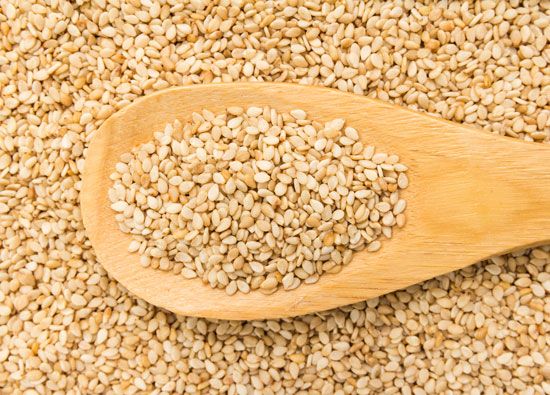
Sesame
Sesame (Sesamum indicum) is an erect annual plant that thrives in most tropical, subtropical, and southern temperate regions of the world.
How is sesame grown and harvested?
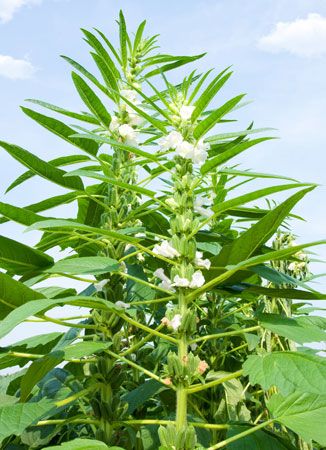
Sesame (Sesamum indicum) is an erect annual plant that thrives in most tropical, subtropical, and southern temperate regions of the world.12
The plant grows between 0.5 and 2.5 meters (2 to 9 feet) tall, with flowers developing in the leaf axils. The seeds are contained within capsules that naturally open when dry, causing the seeds to scatter.1
Harvesting techniques have evolved significantly over time:
- Traditional Harvesting: Because the seed capsules open upon drying, traditional harvesting requires considerable hand labor to prevent the seeds from scattering and being lost.1
- Mechanized Harvesting: The development of a nonscattering variety of the plant in the mid-20th century enabled the use of mechanized harvesting, which has made the process more efficient.1
How is sesame oil produced and what are its uses?
Sesame oil is produced by extracting the fixed oil from sesame seeds, which typically contain between 44 and 60 percent oil. Once the oil is expressed, the remaining byproduct, known as press cake, is highly nutritious.21
The oil is highly valued for its stability and resistance to oxidative rancidity. Its diverse applications include:2
- Culinary: It is used as a salad or cooking oil and serves as an ingredient in shortening and margarine.12
- Industrial and Manufacturing: It is utilized in the production of soaps, pharmaceuticals, and lubricants.12
- Personal Care: The oil is frequently used as an ingredient in cosmetics.12
- Historical: Historically, the oil was burned to create soot for high-quality Chinese ink blocks.2
What are the origins and history of sesame cultivation?
Sesame (Sesamum indicum) has been cultivated since antiquity, with its origins likely tracing back to Asia or East Africa. The plant has a long history of global use, appearing in various ancient civilizations:1
- Ancient Egypt: Egyptians utilized ground sesame seeds as a form of grain flour.1
- Ancient China: The Chinese have used the seeds for at least 5,000 years, historically burning the oil to produce soot for high-quality Chinese ink blocks.1
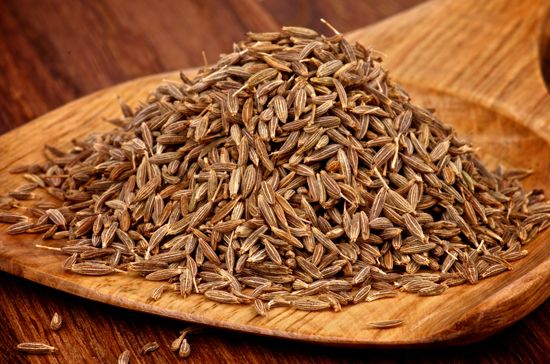
- Ancient Rome: The Romans prepared a pasty spread for bread by grinding sesame seeds with cumin.1
Beyond its practical applications, the plant has held a place in cultural lore, famously appearing in the phrase “open sesame” from the tale of The Thousand and One Nights. Etymologically, the word is of Semitic origin, related to the Akkadian šamaššamu. Today, it remains a staple crop in tropical, subtropical, and southern temperate regions.12
What are the different varieties of sesame plants?
The provided search results do not list specific named varieties of the sesame plant (Sesamum indicum). However, they do note that the plant exhibits variations in physical structure, such as height—which ranges from 0.5 to 2.5 meters (2 to 9 feet)—and branching habits, with some plants having branches and others not.1
A significant development in the history of the crop occurred in the mid-20th century with the creation of a nonscattering variety. Prior to this, the seed capsules would open when dry, causing the seeds to scatter and requiring intensive hand labor to harvest. This nonscattering variety enabled the use of mechanized harvesting for the crop.1
Sources
- sesame — Encyclopædia Britannica
- sesame: Top Questions — Encyclopædia Britannica
- sesame — Merriam-Webster
Published on · 3 min read