Bhander Plateau
The Bhander Plateau, located in the south-central highlands of Madhya Pradesh, is associated with several significant river systems. The swift-flowing Tons…
Are there any significant rivers or water bodies associated with the Bhander Plateau?
The Bhander Plateau, located in the south-central highlands of Madhya Pradesh, is associated with several significant river systems. The swift-flowing Tons River and the Sonar River are particularly notable, as they have carved deep gorges into the plateau’s scarplands and feature numerous rapids and waterfalls along their courses.1
Furthermore, the Vindhya Range, of which the Bhander Plateau is a part, serves as the source for several major southern tributaries of the Ganges River system. These include the Chambal, Betwa, and Ken rivers, as well as the Son River, which flows through the broader region. These waterways are integral to the geography of the central Indian uplands.21
What is the geographical location and extent of the Bhander Plateau in India?
The Bhander Plateau is located in the south-central highlands of Madhya Pradesh state in north-central India. Covering an area of approximately 4,000 square miles (10,000 square km), it serves as a transitional zone between the North Deccan plateau to the south, the Eastern plateau to the east, and the alluvial plains of the Ganges River to the north.1
As a component of the Vindhya Range, the plateau maintains an average elevation of 1,600 feet (500 metres) and features a distinct west-to-east slope. Its landscape is characterized by uplifted, peneplained fluvio-marine deposits of Cambrian age, which are overlain by dissected sandstone.1
Are there any unique flora or fauna species found in the Bhander Plateau ecosystem?
The Bhander Plateau is characterized by forests of teak and catechu trees, which are the primary vegetation types found across the plateau’s landscape.1
While the Bhander Plateau itself is part of the broader Vindhya Range, specific endemic species unique solely to this plateau are not identified in the available records. However, the wider region of Madhya Pradesh contains diverse wildlife common to these forest ecosystems, including:
- Large Mammals: Tigers, panthers, bears, and gaurs (wild cattle).3
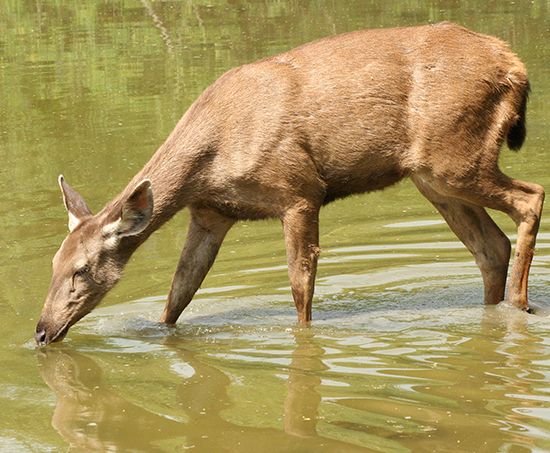
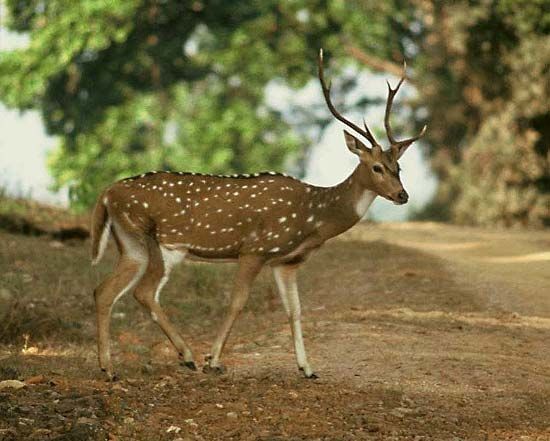
- Deer Species: Chital (spotted deer), sambar, blackbucks, and the rare barasingha (swamp deer).3
- Flora: Valuable hardwoods like sal (Shorea robusta), bamboo, salai (Boswellia serrata), and tendu trees.3
Conservation efforts in the state focus on protecting these species within various national parks and wildlife sanctuaries, though these are generally located outside the immediate Bhander Plateau area.3
What are the main economic activities and natural resources found in the Bhander Plateau area?
The economy of the Bhander Plateau is primarily based on agriculture, supported by the region’s diverse natural resources.
Economic Activities
- Agriculture: Farmers cultivate a variety of crops, including rice, wheat, jowar (grain sorghum), gram (chickpeas), barley, corn (maize), peas, sesame seeds, and mustard seeds.1
- Industry: While the region possesses significant mineral and forest wealth, industrial development is concentrated in specific areas. A major cement factory operates at Kymore near Katni, utilizing local limestone and coal.1
- Cottage Industries: Local production includes brick and tile, stoneware, cement, glass, and shellac. Additionally, the region supports milling operations for flour, dal (pigeon peas), and oilseeds.1
Natural Resources
The plateau is rich in both mineral and forest resources. The landscape is characterized by forests of teak and catechu trees, which provide essential timber and forest products. Furthermore, the presence of limestone and coal deposits serves as a foundation for the area’s industrial activities.1
Sources
- Bhander Plateau — Encyclopædia Britannica
- Vindhya Range — Encyclopædia Britannica
- Madhya Pradesh - Plant and animal life — Encyclopædia Britannica
Published on · 2 min read